
The Best Games of 2026: 15 Must-Play Titles to Add to Your List

Why 2026 Is Already a Landmark Year for Gaming
The best games of 2026 already look stronger than most recent gaming years. Established franchises are returning with bigger budgets and sharper gameplay systems, while original projects like Saros and Pragmata are pushing new ideas instead of copying existing trends.
What makes the best video games 2026 conversation interesting is the variety. This year’s biggest releases range from brutal roguelite shooters and horror remakes to tactical RPGs, hardcore platformers, deck-builders, and family-focused multiplayer games across every major platform.
Several of the top games of 2026 contenders are also arriving from studios with strong reputations behind them. Housemarque is following Returnal with Saros, Capcom is reviving multiple fan-favorite series, and indie developers continue to compete with AAA publishers for gameplay quality and originality.
This list was curated using early critic scores, developer track records, gameplay previews, confirmed release details, genre diversity, and overall player anticipation across PlayStation, Xbox, Nintendo Switch 2, and PC communities.
Read also: Best Gaming Consoles & Accessories 2026: The Complete Buyer’s Guide
The 15 Best Games of 2026 You Need to Play Right Now
1. Saros — The Best PS5 Game of 2026 So Far
Overview
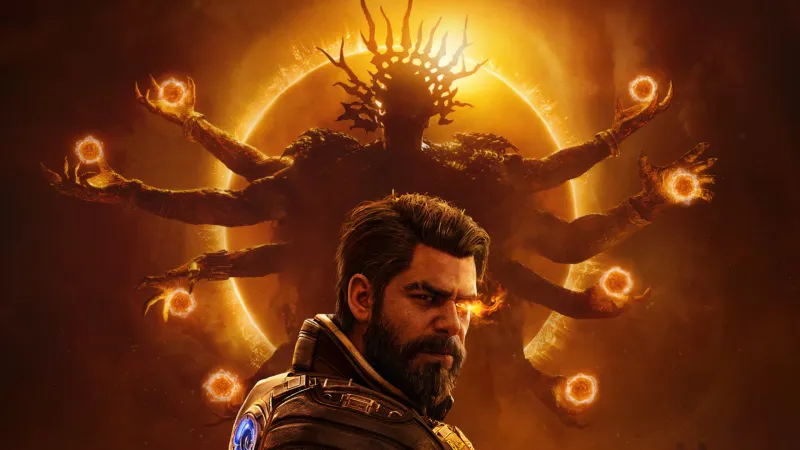
Saros is Housemarque’s follow-up to Returnal, but it feels less punishing without losing the studio’s trademark intensity. The game blends roguelite progression with fast bullet-hell combat inside a cosmic sci-fi setting built around eclipses, paranoia, and shifting environments.
Critics have already positioned Saros among the best games of 2026. It currently holds review averages around 88 on Metacritic and 92 on OpenCritic, making it one of the highest-rated PS5 exclusives released this year.
Key Features
The combat is extremely aggressive, with constant movement, rapid dodging, and dense projectile patterns that reward precision instead of passive play. Housemarque also expanded the progression systems, allowing players to keep permanent upgrades and shorten run repetition compared to Returnal.
DualSense integration is another standout feature. Haptic feedback and adaptive triggers make weapons feel distinct, while eclipse-powered mechanics dynamically alter enemy behavior, layouts, and encounter difficulty during each run.
Who It’s For
Saros is ideal for PS5 players who enjoy high-skill action games with demanding combat loops. It is also a much better entry point for players who respected Returnal’s design but found its progression system too frustrating or repetitive.
Release Date: April 30, 2026
Platform: PlayStation 5
Genre: Roguelite Action Shooter, Shooter game, Role-playing video game, Adventure game
2. Resident Evil Requiem — The Best Horror Game of 2026
Overview
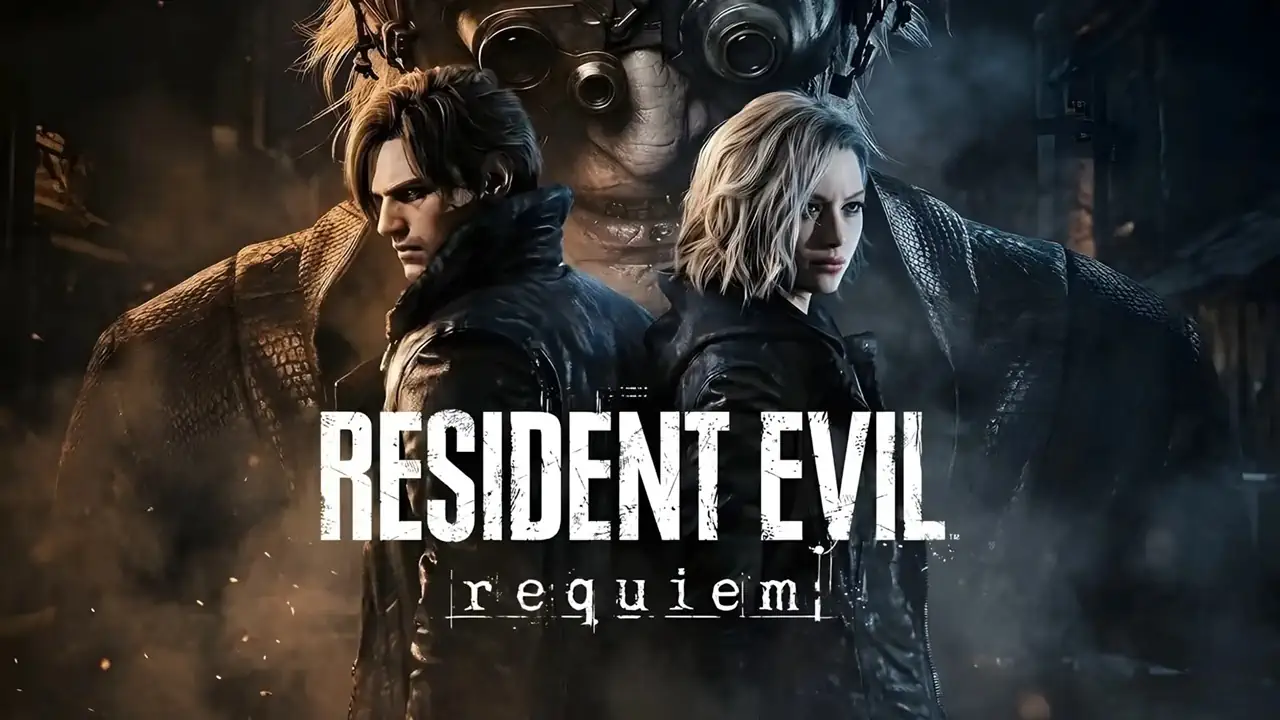
Resident Evil Requiem is the ninth mainline entry in the franchise and marks a return to pure survival horror blended with modern cinematic action. Set in the aftermath of Raccoon City’s destruction, it follows FBI analyst Grace Ashcroft alongside returning veteran Leon S. Kennedy as they investigate a new wave of bioweapon-linked deaths.
Built on Capcom’s RE Engine, the game pushes photorealistic environments, dynamic lighting, and dual-perspective gameplay that shifts between first-person tension and third-person action sequences. Early reception has placed it among the most critically acclaimed releases of 2026, with Metacritic averaging around 90 and OpenCritic tracking similarly strong approval from reviewers.
The narrative leans heavily into psychological horror, especially in Grace’s sections, while Leon’s missions introduce high-intensity combat and set-piece encounters. This dual structure is one of the main reasons it is widely discussed as the standout horror release of the year.
Key Features
The game supports dual gameplay perspectives, allowing players to switch between first-person immersion and third-person action depending on the situation. Grace’s gameplay emphasizes limited resources, stealth, and environmental puzzle-solving, while Leon’s segments focus on advanced combat and weapon variety.
The RE Engine enhances environmental detail with reactive lighting, volumetric fog, and highly detailed character animations that amplify tension in confined spaces. Modern traversal systems and redesigned enemy AI also ensure encounters feel less predictable than earlier entries.
A major addition is the contrasting dual-protagonist design, where horror-driven exploration and action-heavy missions are woven into a single narrative progression. This structure creates pacing shifts that keep gameplay varied across the campaign.
Who It’s For
This is designed for players who want survival horror with modern action depth rather than pure slow-burn horror. Fans of older Resident Evil entries like Resident Evil 2 Remake and Resident Evil 4 will find the balance familiar but more cinematic.
It also appeals to players who enjoy narrative-driven games with dual perspectives and shifting gameplay tones. However, it may feel intense for casual players who prefer lighter horror experiences.
Release Date: February 27, 2026
Platform: PlayStation 5, Nintendo Switch 2, Xbox Series X/S, Microsoft Windows, and cloud platforms including GeForce NOW.
Genre: Survival horror, Action-adventure, Adventure
3. Pokémon Pokopia — The Best Nintendo Switch 2 Game of 2026
Overview
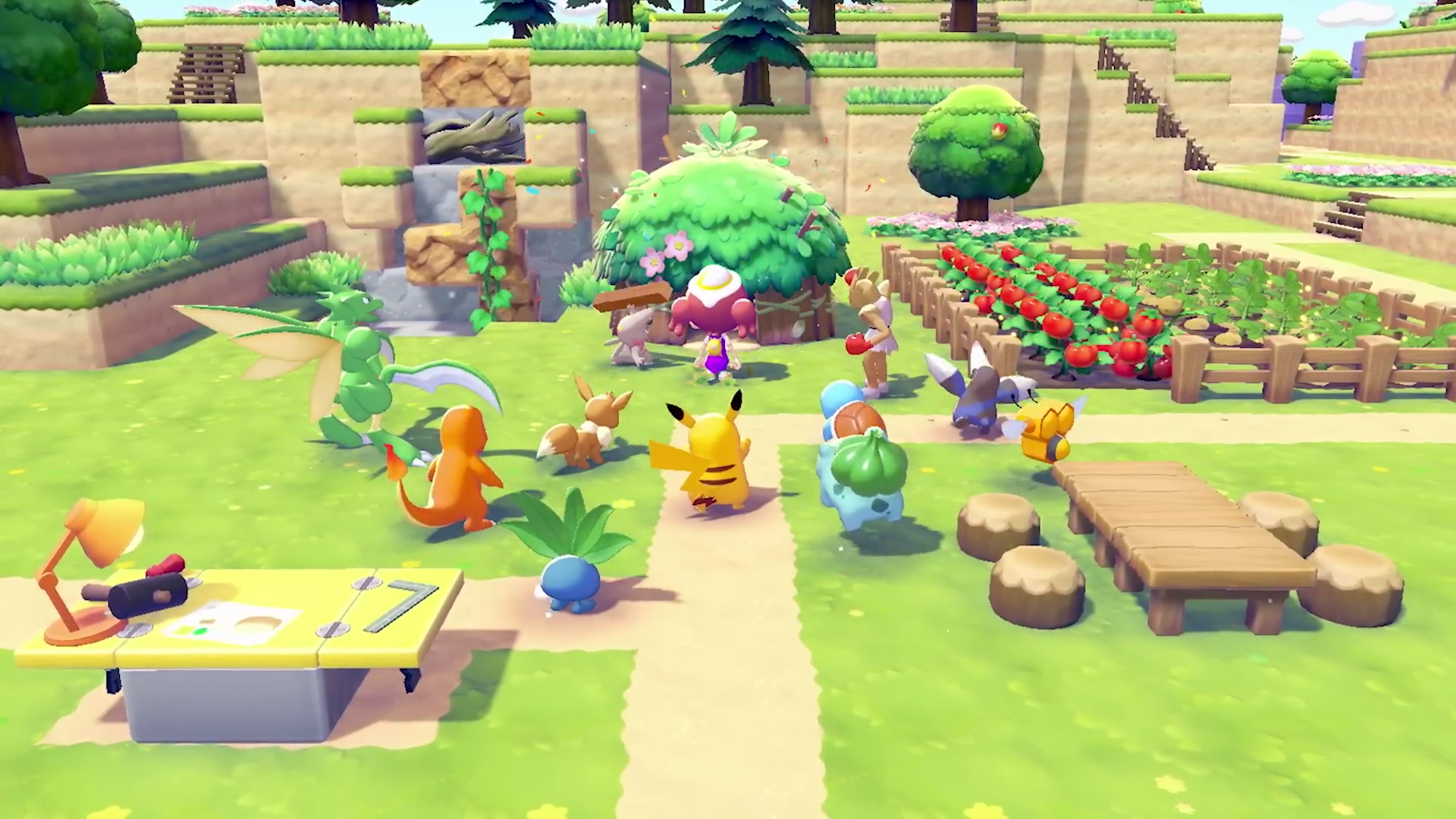
Pokémon Pokopia is a life-simulation spin-off set in the Pokémon universe, developed by Game Freak and Koei Tecmo’s Omega Force for Nintendo Switch 2. You play as a Ditto that has transformed into a human-like form, rebuilding a forgotten world by gathering materials, crafting structures, and creating habitats for Pokémon.
The game shifts away from traditional battles and focuses on slow-life progression, exploration, and environmental building. Early coverage highlights its strong “cozy sim” identity, often compared to a mix of Animal Crossing-style systems with Pokémon-driven world interaction mechanics.
It has also gained strong commercial momentum, with early reports indicating over 2.2 million units sold within its first four days, signaling massive global interest for a non-mainline Pokémon entry.
Key Features
Pokémon Pokopia revolves around learning and using Pokémon abilities as functional tools. For example, abilities like water-based or plant-based moves are used to clear land, grow resources, and unlock new building opportunities.
Players gradually expand their settlement by befriending Pokémon, unlocking new crafting options, and shaping different biomes into livable spaces. The progression is intentionally relaxed, designed to reward creativity instead of competition or combat mastery.
Multiplayer support allows players to visit each other’s worlds, collaborate on construction, and share Pokémon companions, making it a socially driven simulation experience rather than a solo grind.
Who It’s For
This game is built for players who prefer creative sandbox systems over traditional Pokémon battles. It especially appeals to fans of cozy simulation games and long-form building experiences.
It is also ideal for Switch 2 owners looking for a low-pressure, long-session game where progression is self-directed rather than goal-heavy or competitive.
Release Date: March 5, 2026
Platform: Nintendo Switch 2
Genre: Simulation, Social Simulation, Sandbox
4. Pragmata — The Best Original IP of 2026
Overview
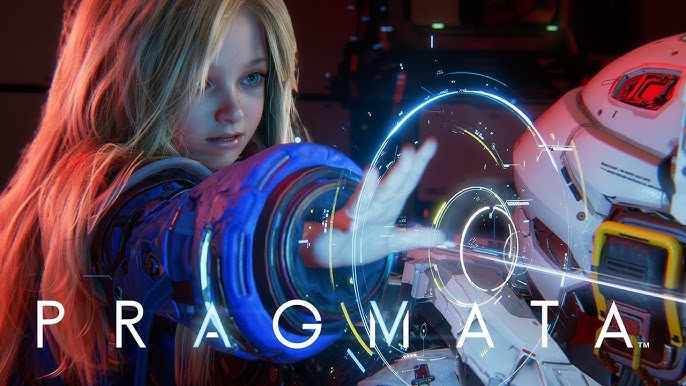
Pragmata is Capcom’s new original IP, set on a desolate lunar research station where a hostile AI has taken control of the facility. The story follows astronaut Hugh Williams and an android companion named Diana as they attempt to survive and escape an environment that constantly turns against them.
The game stands out in 2026 because it avoids franchise reliance and builds its identity around a new sci-fi universe. Reviews and early player impressions highlight its strong narrative focus, emotional character dynamic, and hybrid gameplay structure combining action with real-time hacking puzzles.
Unlike traditional shooters, Pragmata constantly forces dual-character coordination, where combat and puzzle-solving happen simultaneously in the middle of encounters. This design is a key reason it is being discussed as one of the most innovative releases of the year.
Key Features
The core gameplay blends third-person shooting with live hacking mechanics. Players control Hugh in real time combat while Diana disrupts enemy defenses through grid-based hacking puzzles that unlock weak points.
Enemies are often heavily armored robotic units, meaning brute force alone is not effective. Success depends on timing, multitasking, and efficiently switching focus between shooting and hacking during combat encounters.
The game also uses Capcom’s RE Engine, delivering detailed lunar environments, strong lighting contrast, and smooth animation systems designed to emphasize isolation and tension in space-based environments.
Who It’s For
Pragmata is built for players who enjoy mechanically layered action games that require multitasking instead of simple combat loops. It fits players who like games such as tactical shooters or puzzle-action hybrids.
It also appeals to gamers who prefer strong narrative-driven sci-fi experiences with emotional character dynamics rather than open-world exploration or repetitive grinding systems.
Release Date: April 17, 2026
Platform: PlayStation 5, Nintendo Switch 2, Xbox Series X/S, Microsoft Windows, GeForce Now
Genre: Action-adventure, Shooter, Puzzle, Adventure
5. Mewgenics — The Best Indie Game of 2026
Overview
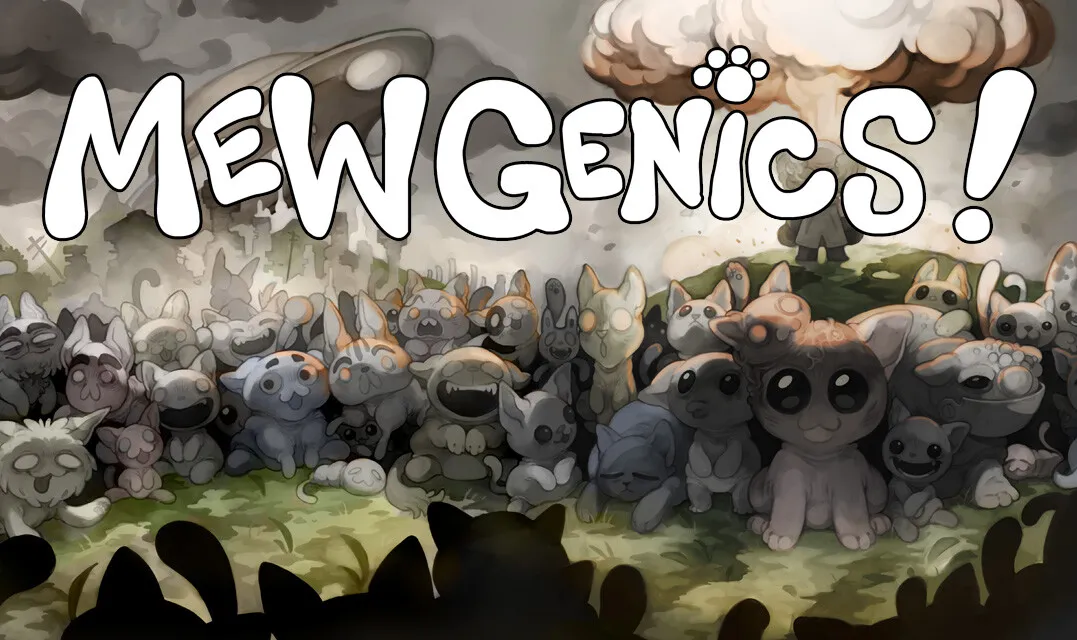
Mewgenics is a turn-based roguelike strategy RPG from Edmund McMillen and Tyler Glaiel, built around breeding, training, and deploying genetically altered cats into tactical combat runs. The game spent over a decade in development before launching on February 10, 2026, and quickly became one of the most discussed indie releases of the year.
It combines life simulation systems with grid-based tactical battles where each run is shaped by inherited traits, mutations, and unpredictable procedural events. Players manage both battlefield decisions and long-term genetic progression, which directly affects future generations of combat-ready cats.
The game has been widely praised for its depth and replayability, with strong community engagement and “Very Positive” Steam sentiment shortly after launch.
Key Features
Mewgenics centers on a deep breeding system where cats inherit abilities, classes, and mutations across generations, creating highly unpredictable team builds. Each run feeds back into long-term progression, meaning losses still influence future strategies.
Combat takes place on procedurally generated grid maps with turn-based tactical encounters that emphasize positioning, synergy, and resource management. The game features hundreds of abilities and items, allowing extreme build variety and experimentation.
A key design layer is the home base system, where players manage their cat colony, upgrade facilities, and decide which genetic lines to continue or abandon. This creates a persistent strategy loop between battles and breeding decisions.
Who It’s For
Mewgenics is designed for players who enjoy deep, systems-driven strategy games with heavy experimentation and long-term progression. It particularly appeals to fans of roguelikes who like unpredictable outcomes and complex build crafting.
It is also suited for players who don’t mind slower progression curves, where early hours focus on setup and learning systems before the game fully opens up.
Release Date: February 10, 2026
Platform: Microsoft Windows
Genre: Indie, Role-playing, Strategy, Simulation, Adventure, Tactical Roguelike
6. Monster Hunter Stories 3: Twisted Reflection — The Best RPG Spin-Off of 2026
Overview
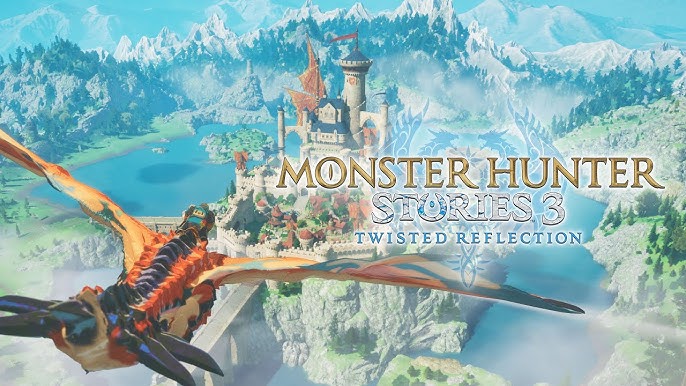
Monster Hunter Stories 3: Twisted Reflection is a turn-based RPG spin-off developed and published by Capcom, continuing the Stories sub-series set in the Monster Hunter universe. The game takes place in a fractured world shaped by a mysterious phenomenon affecting monsters and kingdoms, with twin Rathalos playing a central role in escalating political and ecological conflict.
The story follows a new generation of Riders who bond with monsters called Monsties while navigating war-driven regions and unraveling the mystery behind “Twisted Reflection.” Unlike the main Monster Hunter series, the focus shifts from real-time hunting to creature bonding, exploration, and tactical JRPG combat.
Early reception highlights a more mature tone compared to earlier entries, with heavier world-building, stronger narrative stakes, and expanded monster ecosystems. It is already being discussed as one of the strongest RPG spin-offs in Capcom’s 2026 lineup.
Key Features
The core gameplay revolves around raising Monsties by hatching eggs, forming bonds, and customizing them through progression systems tied to combat performance. Battles remain turn-based, with strategic decision-making based on attack types, monster abilities, and rider coordination.
Exploration plays a major role, featuring semi-open environments filled with monsters, resource gathering, and side quests that expand the world’s ecological systems. Players can also upgrade gear and build teams around specific Monstie synergies rather than static party roles.
A key addition in this entry is deeper narrative integration between Riders and kingdoms, with story progression directly affecting available monsters, regions, and encounter difficulty. This makes progression feel more dynamic than previous titles.
Who It’s For
This game is built for JRPG players who enjoy strategic, turn-based combat systems with long-form progression. It is especially appealing to fans of monster-collection games who prefer structure over real-time action mechanics.
It also suits players who enjoyed Monster Hunter Stories 2 but wanted a darker narrative tone and more complex world-building systems.
Release Date: March 13, 2026
Platform: Nintendo Switch 2, PlayStation 5, Xbox Series X/S, Microsoft Windows, GeForce NOW
Genre: Role-playing, Adventure, Turn-based JRPG
7. Slay the Spire 2 — The Best Deck-Building Game of 2026
Overview
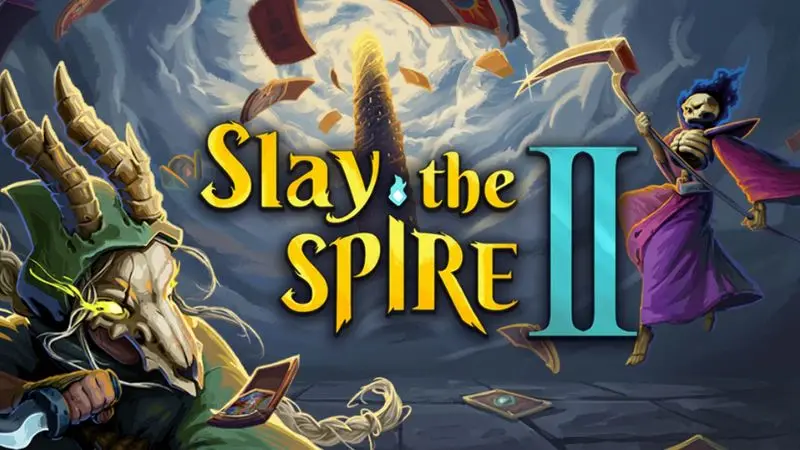
Slay the Spire 2 is the long-awaited sequel from Mega Crit and expands the original roguelike deck-building formula with new characters, expanded systems, and a more complex version of the Spire. It entered Early Access on March 5, 2026, bringing back the core loop of climbing through acts while building powerful, evolving card decks.
The game is structured around a constantly changing Spire filled with new enemies, events, relics, and branching decisions that heavily influence each run. Early player reception highlights that it stays extremely faithful to the original while introducing deeper multiplayer systems and expanded build variety.
One of the biggest shifts in Slay the Spire 2 is the addition of cooperative play, allowing up to four players to coordinate builds and strategies across shared runs. This makes it one of the few modern deck-builders where teamwork directly shapes card synergy and combat outcomes.
Key Features
The core gameplay still revolves around drafting cards, managing energy, and navigating procedurally generated floors filled with combat encounters and risk-reward decisions. However, the sequel introduces new mechanics, additional characters, and more complex relic interactions that significantly expand deck-building depth.
Multiplayer co-op is a major addition, allowing players to coordinate strategies, combine synergies, and build complementary decks during the same run. This creates new tactical layers where timing and coordination matter as much as individual card strength.
The Early Access structure also means the game is evolving rapidly, with ongoing balance updates, new content additions, and system refinements shaping how the meta develops over time.
Who It’s For
Slay the Spire 2 is designed for players who enjoy deep strategic thinking, long-term progression, and high replayability in roguelike systems. It rewards experimentation and punishes careless deck-building decisions.
It is especially strong for fans of the original game and for players who enjoy complex strategy games where every run creates a different tactical puzzle. Co-op also makes it appealing for groups who want shared roguelike experiences.
Release Date: March 5, 2026
Platform: macOS, Linux, Microsoft Windows
Genre: Indie, Strategy, Roguelike Deck-Building, Early Access
8. Big Hops — The Best Family-Friendly Game of 2026
Overview
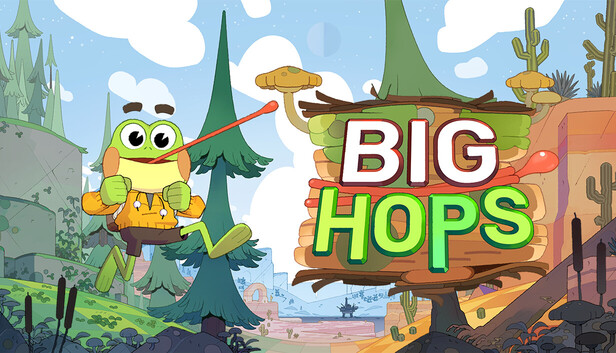
Big Hops is a 3D action-adventure platformer developed by Luckshot Games, built around fluid movement, exploration, and a unique frog-tongue traversal system. You play as Hop, a young frog who is pulled into a strange journey across multiple biomes while trying to find a way back home.
The game quickly gained attention in early 2026 for its expressive movement design and creative sandbox-style level structure. Players use environmental tools, platforming skills, and physics-driven interactions to solve traversal puzzles rather than relying on combat-heavy gameplay loops.
It is widely discussed as a modern take on classic 3D platformers, blending influences from Mario-style precision platforming and Zelda-like environmental experimentation.
Key Features
Big Hops centers on its frog-tongue mechanic, which functions as a grappling tool for swinging, climbing, pulling objects, and interacting with environmental puzzles. This system is constantly expanded with new movement combinations and traversal options.
The game also introduces “Veggie” mechanics, where planted items reshape the environment by creating bounce pads, vines, or traversal aids that allow players to build their own routes through levels.
Movement is the core design pillar, combining wall-running, climbing, swinging, and momentum-based platforming that rewards experimentation and creativity over linear progression.
Who It’s For
Big Hops is designed for players who enjoy relaxed but skillful platforming experiences with strong exploration freedom. It works especially well for gamers who like experimenting with movement systems rather than following strict mission structures.
It also appeals to younger audiences and casual players due to its colorful world design, accessible controls, and low-pressure progression loop focused on discovery instead of punishment.
Release Date: January 12, 2026
Platform: Microsoft Windows, Nintendo Switch, PlayStation 5
Genre: Indie, Action, Adventure, 3D Platformer
9. Mario Tennis Fever — The Best Multiplayer Game of 2026

Overview
Mario Tennis Fever brings arcade tennis back with a stronger emphasis on modifiers that actively change match conditions instead of just boosting stats. The core loop is built around rally-based momentum where every extended exchange feeds a Fever Gauge that can flip the pace of a match instantly.
The defining mechanic is the Fever Racket system, where each racket introduces a rule-altering effect like freezing sections of the court or shrinking opponents mid-rally. This pushes matches into unpredictable territory, where strategy is less about baseline consistency and more about adapting to sudden rule changes.
Unlike earlier entries in the series, the design leans heavily into chaotic multiplayer interaction rather than traditional simulation-style tennis mechanics. That shift is why it is being discussed as the most social and replay-driven sports title in the 2026 lineup.
Key Features
The game includes 30 Fever Rackets, each tied to a distinct gameplay modifier that directly impacts court behavior, movement speed, or ball physics during Fever Shots. These effects stack unpredictably when combined with different character playstyles.
It also features a roster of 38 playable characters, the largest in the series, which creates wide variation in movement speed, shot power, and control style. This makes character selection as important as racket choice in competitive matches.
Multiple modes are designed around different levels of chaos control, from structured tournaments to rule-altered matches that intentionally break standard tennis flow. Online ranked play also separates standard rules from Fever-enabled formats to keep competitive balance intact.
Who It’s For
This game fits players who want fast, unpredictable multiplayer sessions where mechanics create constant disruption rather than slow mastery curves. It rewards adaptability over long-term precision training.
It also appeals strongly to local multiplayer groups because match outcomes are shaped as much by situational effects as by mechanical skill, making every session structurally different.
Release Date: February 12, 2026
Platform: Nintendo Switch 2
Genre: Sports
10. Fatal Frame II: Crimson Butterfly Remake — The Best Remake of 2026
Overview
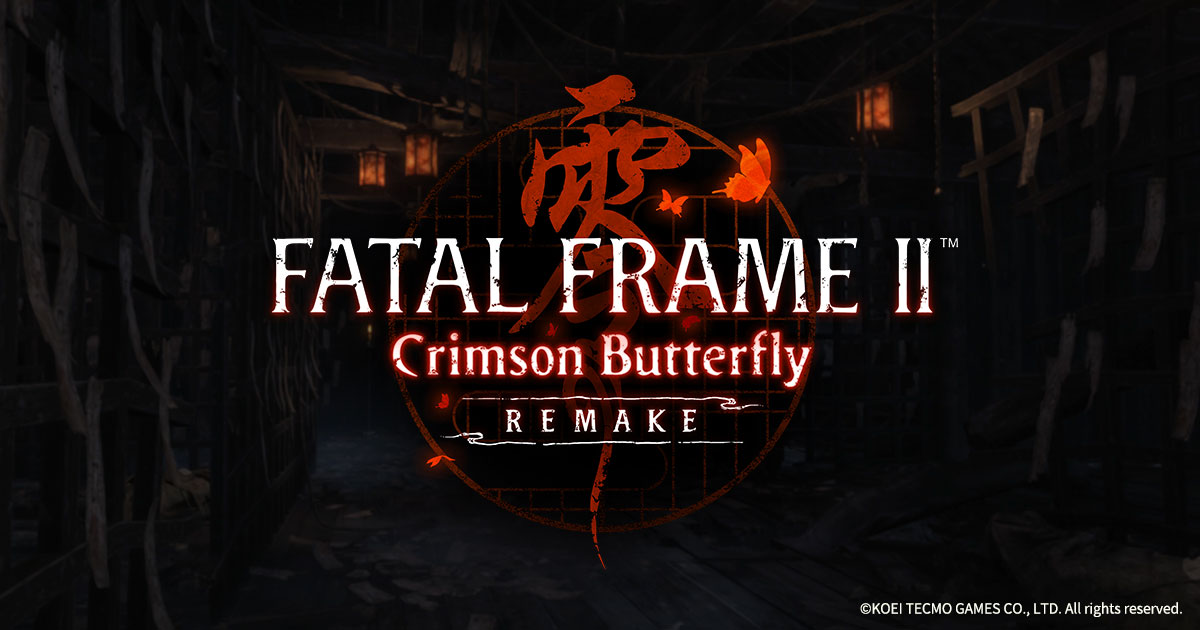
Fatal Frame II: Crimson Butterfly Remake is a full reconstruction of the 2003 survival horror classic developed by Team Ninja and published by Koei Tecmo. It follows twin sisters Mio and Mayu Amakura as they become trapped in Minakami Village, a place sealed by ritualistic tragedy and populated by hostile spirits.
The remake rebuilds the original experience using modern hardware, preserving the Camera Obscura mechanic while upgrading combat systems, controls, and environmental interaction. The design focus is not just visual improvement but reworking how tension is sustained through exploration and limited defensive tools.
Early impressions consistently highlight its emphasis on atmospheric Japanese horror rather than action-heavy survival gameplay. The pacing is intentionally slow, forcing players to rely on timing, positioning, and awareness instead of constant combat engagement.
Key Features
The core system revolves around the Camera Obscura, a combat tool that allows players to damage spirits by photographing them at precise moments. This mechanic has been expanded with upgraded lenses, filters, and more dynamic encounter behavior for enemies.
A major gameplay addition is the improved interaction between the twin protagonists, including mechanics that directly influence survival such as coordinated movement and emotional link-based effects during encounters. This strengthens both narrative immersion and gameplay tension.
Environmental design has also been heavily modernized, introducing more detailed abandoned village layouts, improved lighting systems, and redesigned ghost AI patterns that react more aggressively to player movement and positioning.
Who It’s For
This remake is aimed at players who prefer psychological horror over fast-paced action. It is especially suited for fans of slow-burn survival horror where positioning and timing matter more than combat efficiency.
It also appeals to returning fans of the original Fatal Frame II who want a modernized version without losing the original’s oppressive atmosphere and narrative structure.
Release Date: March 12, 2026
Platform: PlayStation 5, Nintendo Switch 2, Xbox Series X/S, Microsoft Windows
Genre: Survival horror, Puzzle, Action-adventure
11. Nioh 3 — The Best Soulslike Game of 2026
Overview
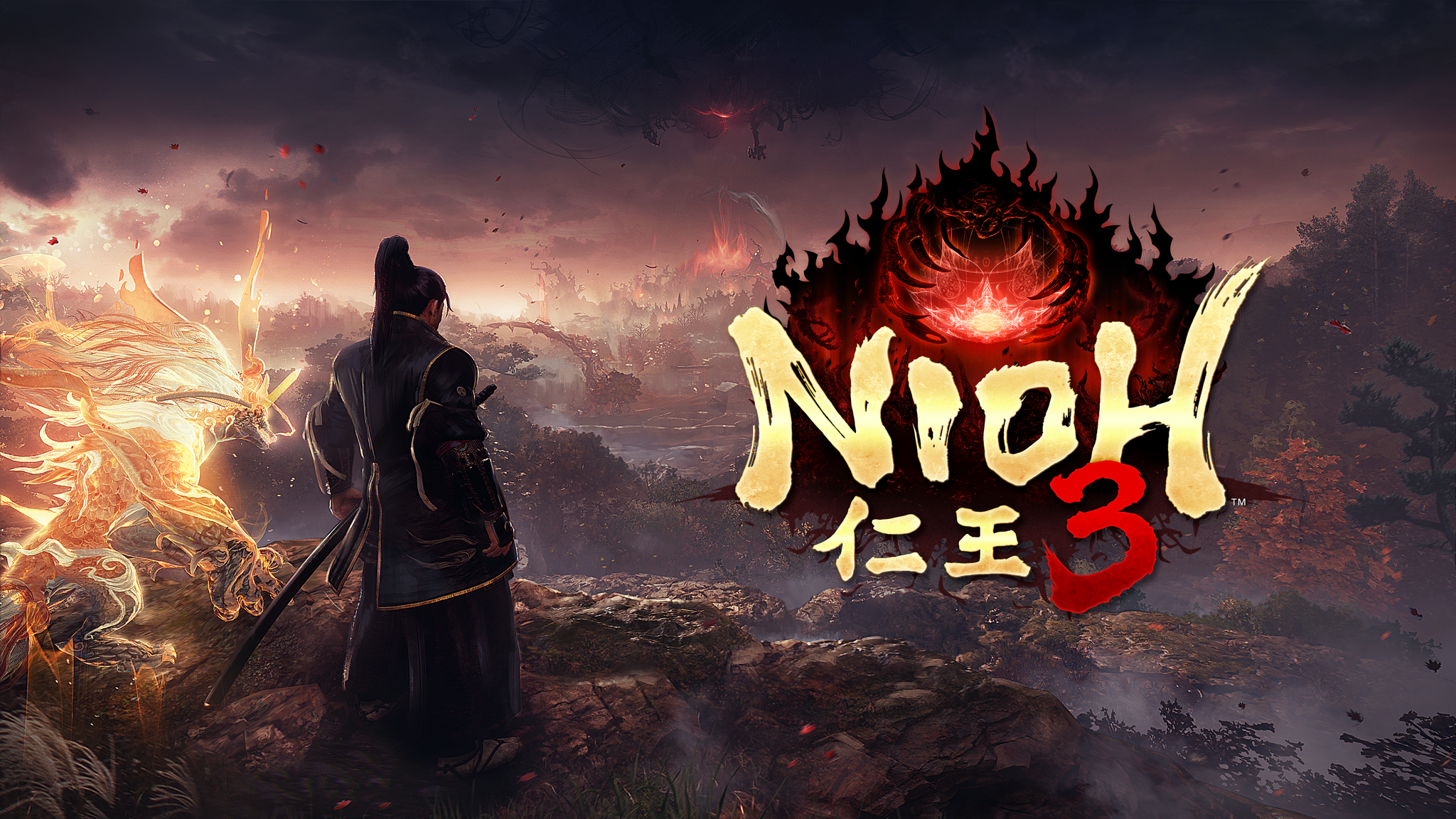
Nioh 3 is the next evolution of Team Ninja’s action RPG formula, continuing the brutal samurai-soulslike structure while expanding into more open-field exploration. It follows Tokugawa Takechiyo as he battles yokai forces and political betrayal during Japan’s Sengoku-era chaos.
The game builds on Nioh 2’s systems but pushes further into flexible traversal and mission structure, allowing players to move between large regions instead of strictly linear mission paths. Early critical reception places it among the strongest action RPG releases of 2026, with high review averages and strong community approval.
What sets it apart in 2026’s lineup is the dual-style combat system, which creates a faster, more reactive rhythm than traditional Soulslike titles. It’s already being described as one of the most mechanically demanding yet rewarding games of the year.
Key Features
The core innovation is the Samurai and Ninja style-switching system, which completely changes how combat flows depending on your approach. Samurai style focuses on stance-based melee precision, while Ninja style prioritizes speed, evasion, and aerial aggression.
The Ki system returns, rewarding timing-based stamina management, but now integrates more fluid recovery mechanics during aggressive combat chains. This encourages players to stay constantly engaged instead of playing defensively.
Exploration has also expanded into semi-open fields filled with yokai encounters, hidden paths, and optional bosses. This structure gives more freedom in pacing without removing the series’ high difficulty identity.
Who It’s For
Nioh 3 is built for players who enjoy punishing combat systems where mastery matters more than level scaling or hand-holding. It rewards patience, mechanical learning, and repeated experimentation.
It also suits Soulslike fans who want faster combat pacing than Dark Souls-style games, especially those who enjoy high-intensity boss fights and loot-driven progression systems.
Release Date: February 6, 2026
Platform: PlayStation 5, Microsoft Windows
Genre: Action role-playing game, Soulslike
12. Crimson Desert — The Most Ambitious Open World Game of 2026
Overview
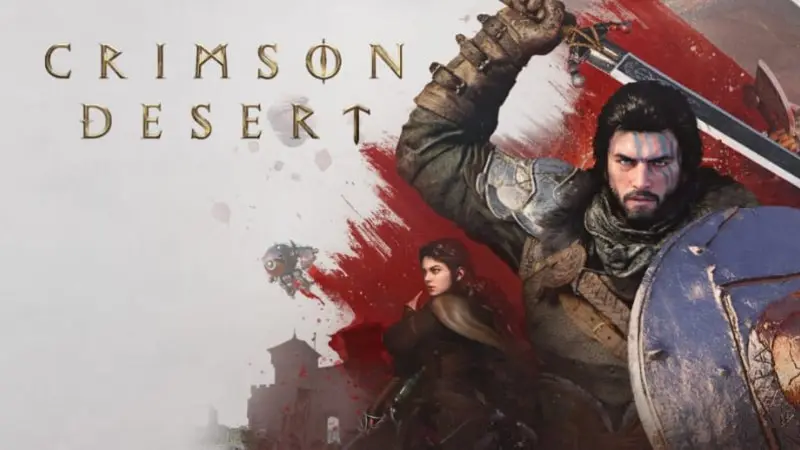
Crimson Desert is a single-player open-world action-adventure game developed by Pearl Abyss, set in the fantasy continent of Pywel. It follows mercenary Kliff as he navigates political collapse, faction warfare, and supernatural threats across a massive interconnected world.
The game evolved from an MMO concept into a fully narrative-driven experience, blending cinematic storytelling with large-scale exploration and dynamic combat systems. Early coverage highlights its ambition, combining grounded melee combat with absurd, high-fantasy set pieces.
It is consistently positioned as one of the most technically ambitious releases of 2026 due to its scale, systems density, and environmental variety across multiple regions.
Key Features
Combat is built around fast, cinematic melee systems that mix dodging, grappling, and combo-based attacks with heavy impact animations. Boss encounters require adapting to different attack patterns rather than relying on fixed strategies.
The open world includes traversal systems like horseback riding, gliding, climbing, and even mech-based movement in certain regions. These systems are integrated directly into exploration rather than functioning as separate modes.
The world of Pywel is highly interactive, featuring dynamic weather, NPC-driven events, and side activities such as fishing, cooking, and crafting systems that expand gameplay beyond combat loops.
Who It’s For
Crimson Desert is designed for players who prefer large-scale open-world games with heavy mechanical variety and cinematic presentation. It appeals to fans of action RPGs that prioritize exploration freedom and spectacle-driven combat.
It is also suited for players who enjoy systems-heavy games where exploration, combat, and side activities are deeply interconnected rather than isolated gameplay modes.
Release Date: March 19, 2026
Platform: PlayStation 5, Xbox Series X/S, macOS, Microsoft Windows, GeForce Now
Genre: Action-adventure, Nonlinear gameplay, Adventure
13. Mouse: P.I. For Hire — The Best Art Direction in a Game of 2026
Overview
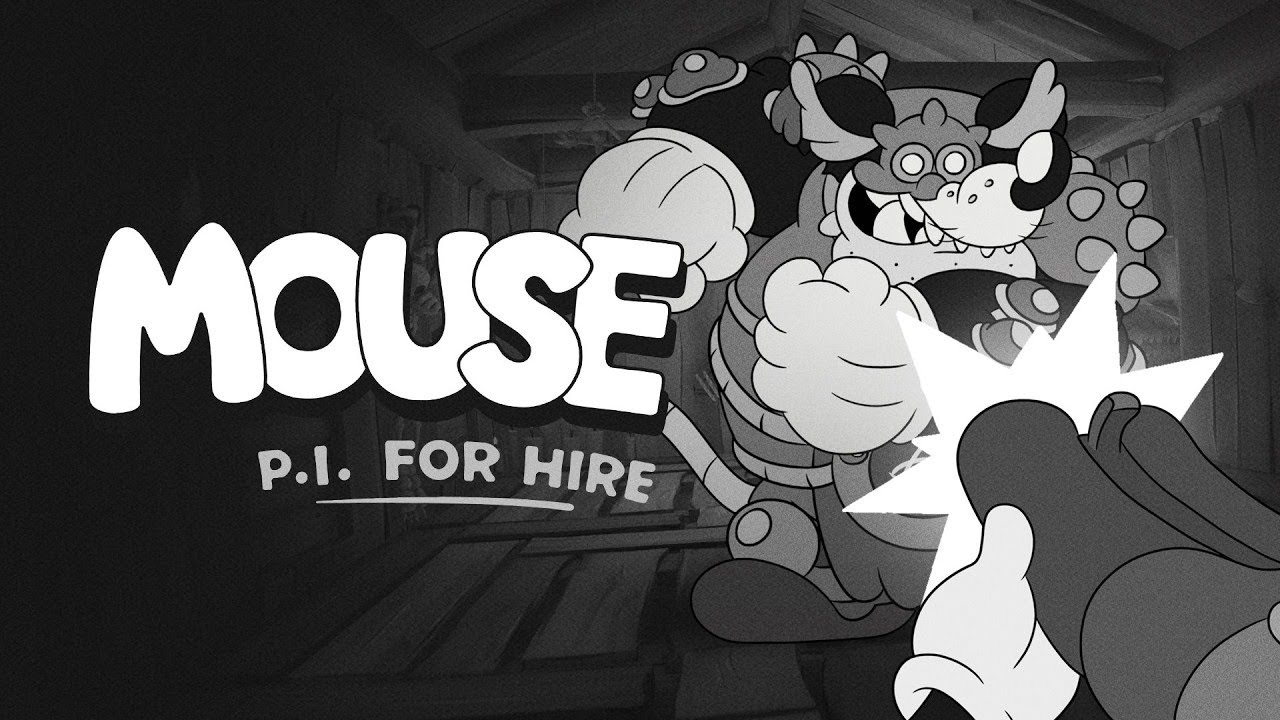
Mouse: P.I. For Hire is a first-person shooter developed by Fumi Games and published by PlaySide Studios, built around a heavily stylized 1930s rubber-hose cartoon aesthetic. You play as private investigator Jack Pepper, a war veteran turned detective investigating corruption, crime, and disappearances in the noir city of Mouseburg.
What makes it stand out in 2026 is not the premise alone but how aggressively it commits to its visual identity. The entire world is rendered in monochrome hand-drawn animation layered over 3D environments, creating a look that mimics early cinema while still supporting fast modern FPS gameplay.
The game launched on April 16, 2026, and quickly gained strong attention for its art direction, jazz-heavy presentation, and cinematic storytelling approach. Despite comparisons to boomer shooters like DOOM, its tone leans more noir detective drama than pure action chaos.
Key Features
The core gameplay combines fast-paced FPS combat with investigative exploration segments where players uncover clues, interrogate environments, and progress a branching noir narrative. Weapon variety ranges from traditional firearms to exaggerated cartoon-style gadgets.
Level design is semi-linear, encouraging exploration through interconnected hubs and mission spaces filled with hidden collectibles, environmental storytelling, and optional objectives. This structure supports both combat flow and slower detective pacing between shootouts.
Another defining feature is its presentation system: hand-drawn animation is frame-by-frame styled, paired with a jazz soundtrack that dynamically reinforces tension during combat and investigation sequences. The result is a consistent audiovisual identity rarely seen in modern shooters.
Who It’s For
This game is built for players who care as much about aesthetic identity as gameplay mechanics. It appeals strongly to FPS fans who enjoy retro-inspired shooters but want a stronger narrative and visual hook than standard arena combat games.
It also fits players who enjoy noir storytelling, stylized worldbuilding, and experimental presentation choices that prioritize atmosphere over realism or competitive balance.
Release Date: April 16, 2026
Platform: PlayStation 5, Nintendo Switch, Nintendo Switch 2
Genre: First-person shooter, Indie game
14. Super Meat Boy 3D — The Best Hardcore Platformer of 2026
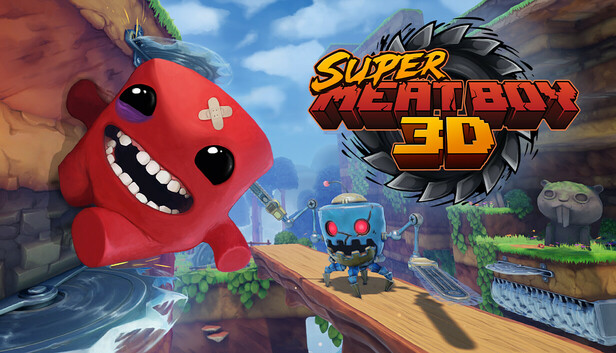
Overview
Super Meat Boy 3D continues the brutally precise platforming legacy of the franchise, shifting the series into full 3D while maintaining its core philosophy of instant retries and high-speed level execution. The game focuses on Meat Boy’s rescue mission through increasingly lethal environments designed around timing perfection.
Unlike traditional platformers that emphasize exploration, this entry is structured around short, intense stages where failure is constant and expected. Each level is designed to teach through repetition rather than tutorials or narrative guidance.
The 3D transition adds depth to movement planning, requiring spatial awareness across multiple axes while preserving the franchise’s signature speed-focused design identity.
Key Features
The gameplay loop is built around ultra-fast respawns, allowing players to retry instantly after failure, reinforcing pattern learning and mechanical precision. This keeps momentum high even during repeated mistakes.
Level design introduces layered hazards such as rotating traps, shifting platforms, and multi-directional obstacle chains that require memorization and execution rather than exploration.
The physics system is tuned for tight responsiveness, ensuring every jump, slide, and wall interaction feels predictable enough for competitive-level precision gameplay.
Who It’s For
Super Meat Boy 3D is aimed at players who enjoy extremely difficult platformers where repetition is part of mastery. It rewards patience, muscle memory, and frustration tolerance more than casual progression.
It also appeals to fans of speedrunning culture, where optimized routes and frame-perfect movement define long-term replayability.
Release Date: March 31, 2026
Platform: PlayStation 5, Xbox Series X/S, Xbox Cloud Gaming, Microsoft Windows, GeForce Now
Genre: Platform game
One to Watch: The Biggest Games Still Coming in 2026
| Game | Overview | Key Features | Who It’s For | Release Date | Platforms | Genre |
| Grand Theft Auto VI | Rockstar’s return to Vice City in a modern, narrative-driven open world focused on dual protagonists and systemic sandbox chaos. | Massive open-world simulation, dual-character storytelling, advanced AI-driven world systems, dynamic crime economy | Players who want deep open-world freedom and long-term replay value | November 19, 2026 | PS5, Xbox Series X | S |
| Marvel’s Wolverine | A standalone, mature superhero action game from Insomniac focusing on Wolverine’s brutal combat identity. | Fast melee combat, cinematic storytelling, destructible combat arenas, narrative-driven progression | Fans of story-heavy superhero games with intense combat | Late 2026 (expected) | PS5 | Action-adventure |
| 007 First Light | Origin story of James Bond developed by IO Interactive, blending stealth systems with cinematic espionage gameplay. | Hitman-style stealth sandbox, branching mission design, gadget-driven gameplay, cinematic set pieces | Players who enjoy tactical stealth and spy narratives | May 27, 2026 | PS5, Xbox Series X | S, PC, Switch 2 |
| Control Resonant | Sequel to Control expanding Remedy’s connected universe with a stronger RPG focus and supernatural conflict. | Psychic combat systems, narrative branching, interconnected universe storytelling, enhanced traversal | Fans of story-driven sci-fi and supernatural action RPGs | 2026 (TBA) | PS5, Xbox Series X | S, PC |
| Tomb Raider: Legacy of Atlantis | Reimagining of the original Tomb Raider with modern traversal systems and expanded narrative focus. | Unreal Engine 5 visuals, puzzle-heavy tomb exploration, expanded climbing mechanics, survival elements | Exploration-driven adventure fans and Tomb Raider veterans | 2026 (TBA) | PS5, Xbox Series X | S, PC |
More Great Games Worth Playing in 2026
Several standout releases in 2026 narrowly missed the main list but still deserve attention for their distinct design direction and strong critical interest. Pathologic 3 delivers a punishing psychological survival experience centered on time manipulation and plague management, making it one of the most intense narrative RPGs of the year.
Opus: Prism Peak shifts toward a slower, reflective adventure structure where photography becomes the core interaction system, blending exploration with emotional storytelling. Cairn stands out as a minimalist climbing survival experience focused on environmental risk and physical endurance rather than combat systems.
Reanimal continues the trend of atmospheric horror adventure design with cooperative tension-driven gameplay, while Life is Strange: Reunion returns to character-driven storytelling with dual protagonists and branching emotional consequences in a supernatural mystery setup.
Together, these titles show how 2026 extends beyond blockbuster releases into experimental narrative design, survival systems, and emotionally grounded gameplay loops that compete strongly with mainstream AAA launches.
How We Chose the Best Games of 2026
We built this list using a mix of critical performance and real player reception to avoid hype-driven picks. We focused on aggregated scores from Metacritic and OpenCritic, ensuring each title reflects consistent review consensus rather than isolated reviews or early marketing momentum.
We only included games with confirmed 2026 release dates or officially verified launch windows, so the selection stays grounded in real availability rather than speculation. Cross-platform reach also mattered, especially for games launching across PS5, Xbox Series X|S, Nintendo Switch 2, and PC, since wider availability impacts overall player experience and relevance.
To keep the list balanced, we ensured strong genre diversity across action, RPG, horror, simulation, and indie titles. Each game was evaluated based on design innovation, critic performance, and platform coverage to make sure the final selection reflects the strongest and most complete gaming lineup of 2026.
Final Verdict: 2026 Is Shaping Up to Be One of Gaming’s Greatest Years
2026 is already proving that modern gaming does not rely on a single genre or franchise to define a year. From massive open-world releases to tightly designed roguelites, horror revivals, and experimental indie projects, the year consistently delivers across every major platform. The range of experiences makes it one of the most balanced and content-rich lineups in recent memory, with something meaningful for nearly every type of player.
The best games of 2026 lineup is still evolving as more releases arrive and early impressions turn into long-term player consensus. We’ll continue updating this list as new contenders enter the conversation and existing titles build their reputation.
If you’re tracking the top games of 2026 or planning your next playthrough, bookmark this page for regular updates!