
Omakase Klang Valley 2026: 8 Spots & Real Prices
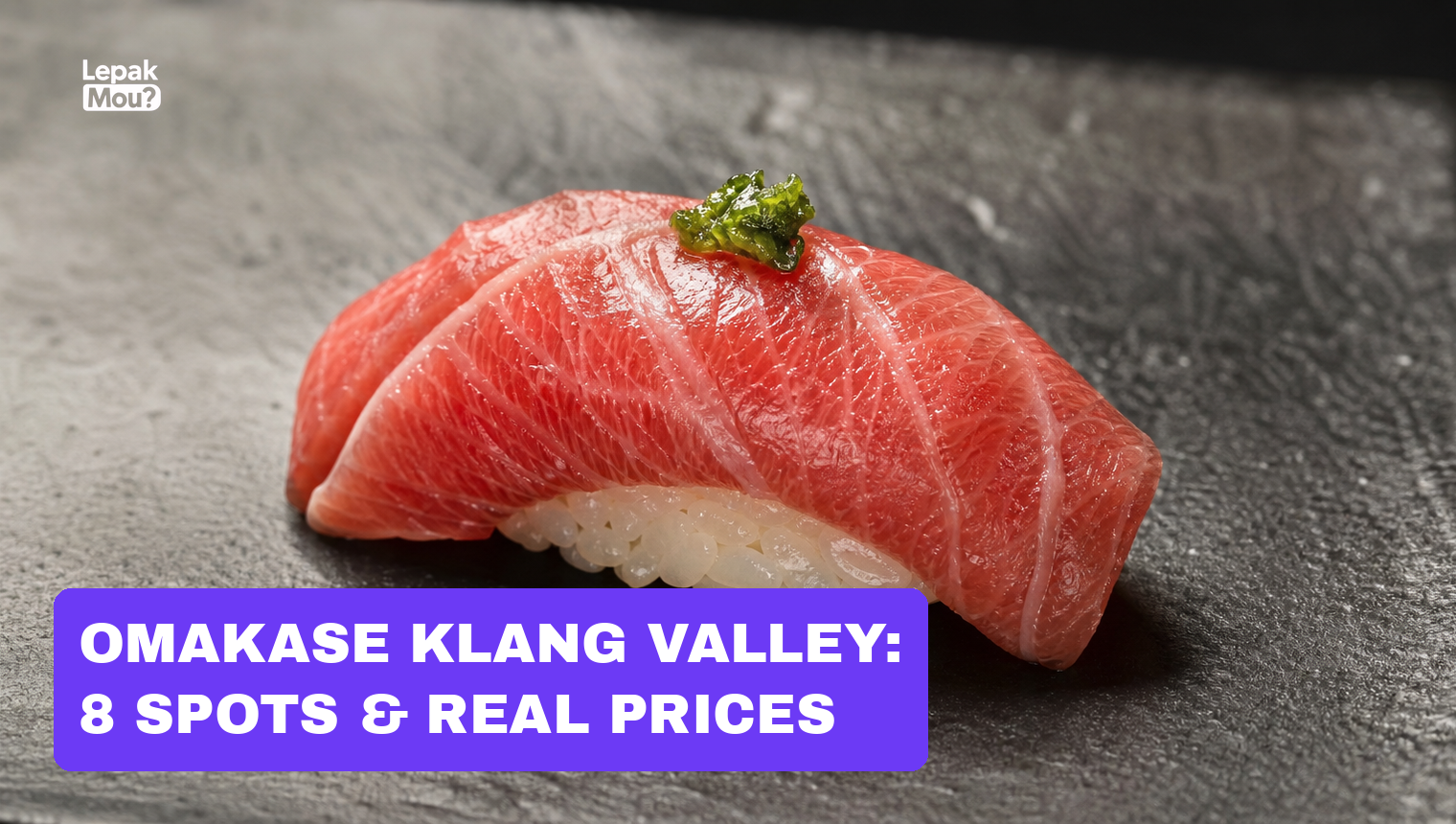
Omakase in the Klang Valley used to mean one thing: a Bukit Bintang counter, a Japanese chef, and a bill that made you quiet in the Grab home. That is no longer the whole picture. Today the range runs from lunch sets at a few hundred ringgit to counters where dinner comfortably clears RM700 a head, and the lists ranking for this search only show you the top end.
So this guide does the budgeting part first. Eight counters across KL city, Damansara Heights, Old Klang Road, Petaling Jaya and Klang, with price bands, booking reality, and an honest note on who each one is wrong for. Eight, not twenty, because past that nobody actually reads.
Omakase in the Klang Valley at a Glance
| Restaurant | Area | Price per pax (indicative) | Counter size | Halal / Muslim-friendly | Best for |
|---|---|---|---|---|---|
| Takeen Omakase | Old Klang Road, KL | Lunch from ~RM200 / dinner ~RM300–400 | Small counter | No | Best all-round value |
| Sushi Azabu | Bukit Bintang, KL | Dinner ~RM500+ | Small counter | No | Splurge, business dinner |
| Sushi Oribe | Damansara Heights | Dinner ~RM400–700 | Small counter | No | Special occasion |
| Ishin Japanese Dining | Old Klang Road, KL | Lunch sets from ~RM150 / dinner ~RM300+ | Counter + private rooms | No | Family and group dinners |
| Dai Jin | Klang | ~RM200–350 | Counter + tables | Muslim-friendly (pork-free; confirm) | Muslim diners, something different |
| Makii Sushi | Kuala Lumpur | ~RM200–400 | Small counter | No | First-timers |
| Rakuzen | Jaya One, Petaling Jaya | Set courses from ~RM150 lunch | Counter + tables | No | PJ-side convenience |
| Fukuya | Jalan Delima, KL | Chef’s course ~RM300+ | Counter + tatami rooms | No | Kaiseki-style chef’s menu |
Prices are indicative and quoted before charges. Omakase menus float with the market and the exchange rate, so treat these as planning numbers and confirm the current price when you book.
What Omakase Actually Means (and What You’re Paying For)
Omakase translates roughly as “I leave it to you”. There is no menu. The chef decides the course count and the ingredients based on what arrived that week, usually airflown from Japan, and serves it piece by piece across the counter.
Three things drive the price here. First, ingredients: a counter running Hokkaido uni, aged otoro and live shellfish is paying airfreight on all of it. Second, course count, because an eight-course lunch and a fifteen-course dinner are different animals. Third, counter size. An eight-seat counter has to recover its rent from eight people a sitting, which is exactly why the smallest rooms are the dearest.
Don’t confuse it with two neighbours. A “sushi set” is a fixed plate of nigiri you order off a menu, cheaper and not personalised. Kaiseki is a multi-course Japanese meal built around cooked dishes and seasonal structure, not mostly raw fish over the counter. The Klang Valley also has its own twist: Chinese-style omakase and Muslim-friendly omakase both exist here, which is not true in most other markets.
How Much Omakase Costs in the Klang Valley
Three bands, roughly:
- Entry (about RM150–250): mostly lunch sets and hybrid counters. Expect eight to ten courses, fewer nigiri, uni as a highlight rather than a habit.
- Mid (about RM300–450): the sweet spot. Proper chef interaction, a dozen-plus courses, aged fish appearing, and usually a real handover from chef to diner rather than plated-in-the-back service.
- Splurge (RM500 and up): small counters, Japanese head chefs, aged neta, a sake list worth reading, and a pace that assumes you have the evening free.
Now the hidden costs, because this is where budgets break. Almost every counter quotes before the 10% service charge and government service tax, which for food and beverage sat at 6% when the general service tax rate moved to 8% (the Royal Malaysian Customs Department is the authority on current rates). On a RM400 menu that lands you nearer RM466. Add a sake pairing and you can tack on another RM150 to RM250 a head. Corkage, where allowed, commonly runs RM100 and up a bottle.
The single most useful trick: book lunch. Several counters serve a shortened version of the same dinner menu, same chef, same fish delivery, for 40% to 50% less. If you are comparing against Singapore counters, where the equivalent experience sits in SGD, KL still reads as good value even at the top of the range.
The 8 Best Omakase Counters in the Klang Valley
Ranked for usefulness, not prestige. Hours shift often at omakase counters because they run fixed sittings, so check current timings before you commit to a Grab ride across the valley.
1. Takeen Omakase
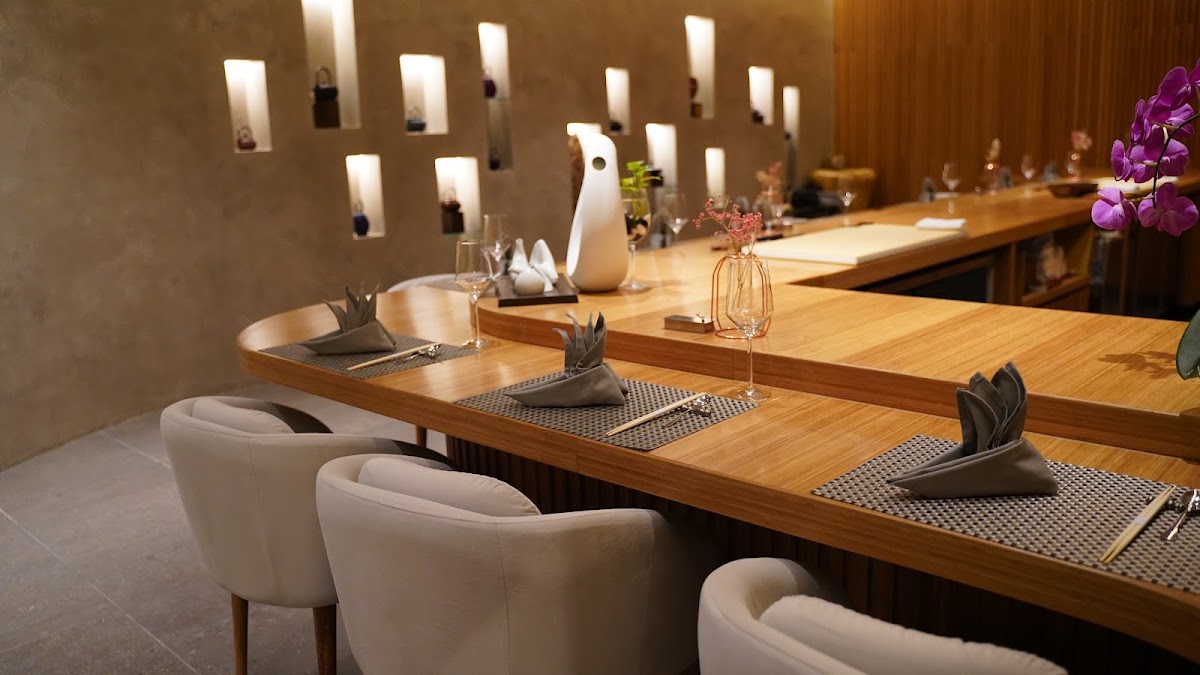
If you only read one entry, read this one. Takeen built its reputation on doing a tight, serious omakase at a price that does not require a bonus, and it is the counter most Klang Valley diners name first when someone asks where to start. The room is small, the focus is on the fish rather than the furniture, and the value sits in how much actual nigiri you get for the money.
Expect a run of appetisers and a chawanmushi-type course before the nigiri sequence opens up, with the usual seasonal suspects: kinmedai, akami and chutoro, botan ebi, uni when it is good. The chef works the counter directly, which at this price band is not guaranteed elsewhere.
Who it’s wrong for: anyone wanting a grand room, a long wine list, or a quiet corner table. This is a counter, you sit shoulder to shoulder, and you book ahead because seats are limited. Walk-ins on a Friday night, forget it.
Address: Old Klang Road area, Kuala Lumpur (confirm the exact unit when you book)
Hours: Fixed lunch and dinner sittings, typically from around 12:00 PM and 6:30 PM; usually one weekly rest day. Check before you go.
Price: Lunch from around RM200 per pax, dinner around RM300–400
Booking: Essential, several days to a week out for weekends
Google Maps: Takeen Omakase, Kuala Lumpur
2. Sushi Azabu
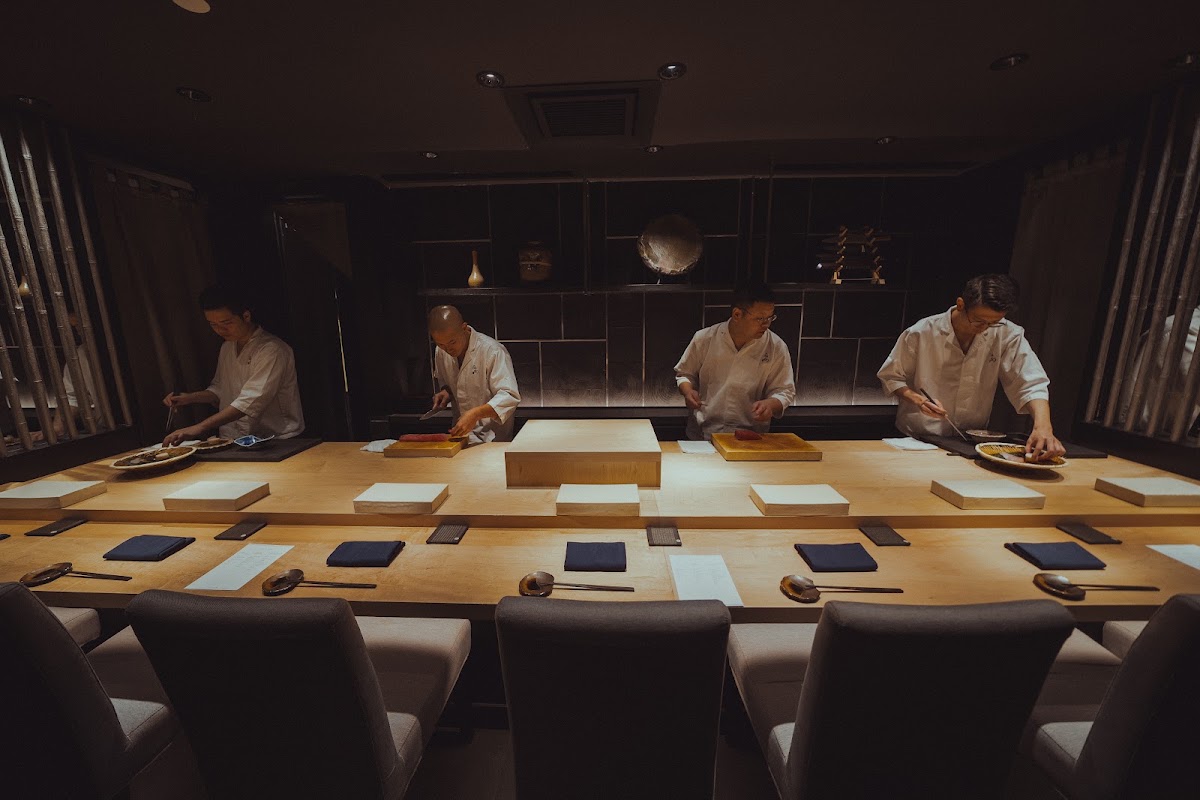
Inside Isetan The Japan Store at Lot 10, this is the Bukit Bintang splurge option with a Tokyo pedigree and the restraint to match. Small counter, precise shari, and a fish programme that leans on proper Japanese sourcing rather than variety for its own sake. The extra two or three hundred ringgit over the mid-tier buys you aged neta, a chef who talks you through each piece, and a sake list with actual depth.
Good for a client dinner or a milestone anniversary. Less good if you want a loud celebration, because the room is hushed and nobody is bringing out a candle.
Address: Isetan The Japan Store, Lot 10, Jalan Sultan Ismail, Bukit Bintang, 55100 Kuala Lumpur
Hours: Lunch and dinner sittings, generally in line with Lot 10 mall hours (around 10:00 AM to 10:00 PM); confirm sitting times when reserving
Price: Dinner from around RM500 per pax; shorter lunch options usually available
Booking: Reserve at least a week ahead for weekends
Google Maps: Sushi Azabu, Lot 10 Kuala Lumpur
3. Sushi Oribe
Tucked into Plaza Damansara, Oribe is the Damansara Heights answer to the Bukit Bintang counters and has long been a favourite among the KL crowd who eat omakase regularly rather than annually. Edomae technique, controlled portions, a counter small enough that the chef remembers what you said about mackerel last time.
Fair warning on logistics: street parking around Plaza Damansara after 7:00 PM is a genuine headache, so Grab in and save yourself the circling.
Address: Plaza Damansara, Jalan Medan Setia 1, Bukit Damansara, 50490 Kuala Lumpur
Hours: Typically lunch from around 12:00 PM and dinner from around 6:30 PM, with a weekly closure; confirm when booking
Price: Dinner around RM400–700 per pax
Booking: Phone reservation, a week or more ahead
Google Maps: Sushi Oribe, Plaza Damansara
4. Ishin Japanese Dining
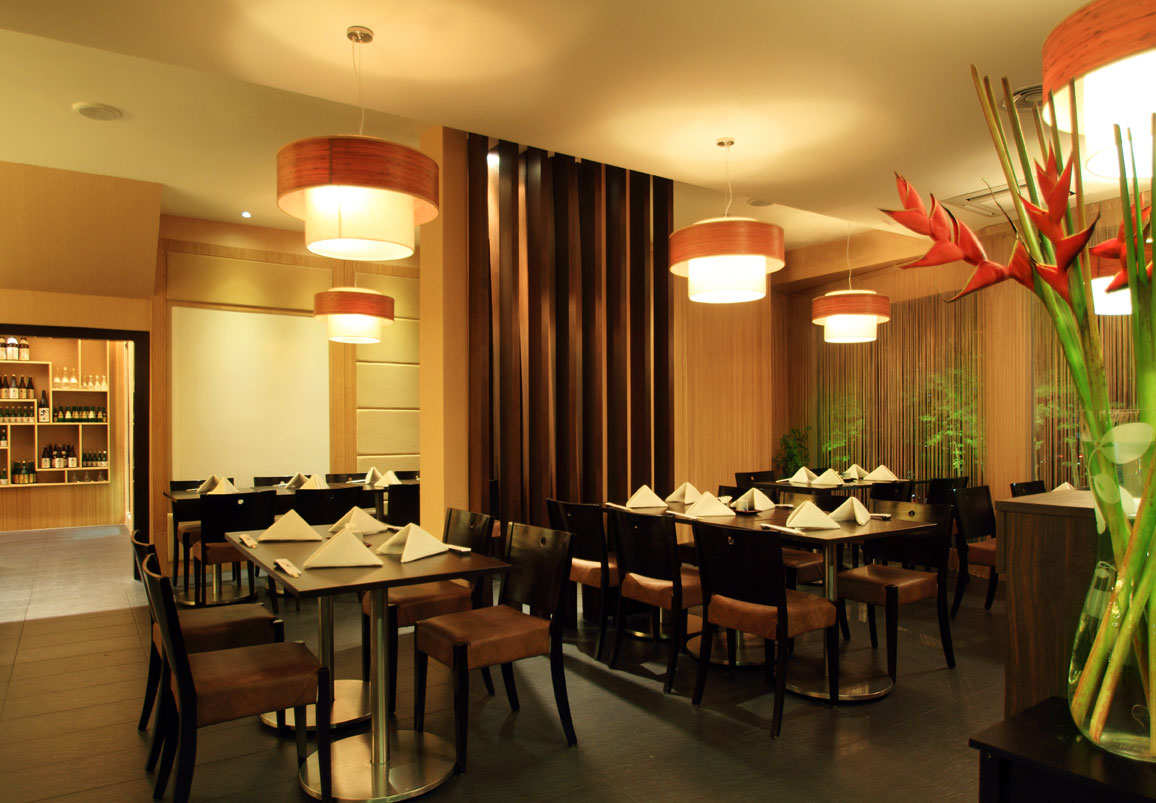
The Old Klang Road stalwart. Ishin is not a pure eight-seat counter, it is a full Japanese restaurant with a sushi bar and private rooms, which makes it the practical pick when your group includes someone who wants cooked food and someone who wants nigiri. Lunch sets are where the value sits, and they are considerably gentler than the dinner courses.
Who it’s wrong for: purists chasing an intimate counter experience. With a bigger room you get less chef time.
Address: Old Klang Road (Jalan Klang Lama) area, Kuala Lumpur
Hours: Lunch and dinner service daily; confirm current timings, as lunch typically runs from around 12:00 PM to 2:30 PM
Price: Lunch sets from around RM150, chef’s dinner courses from around RM300
Booking: Recommended, especially for private rooms
Google Maps: Ishin Japanese Dining, Old Klang Road
5. Dai Jin
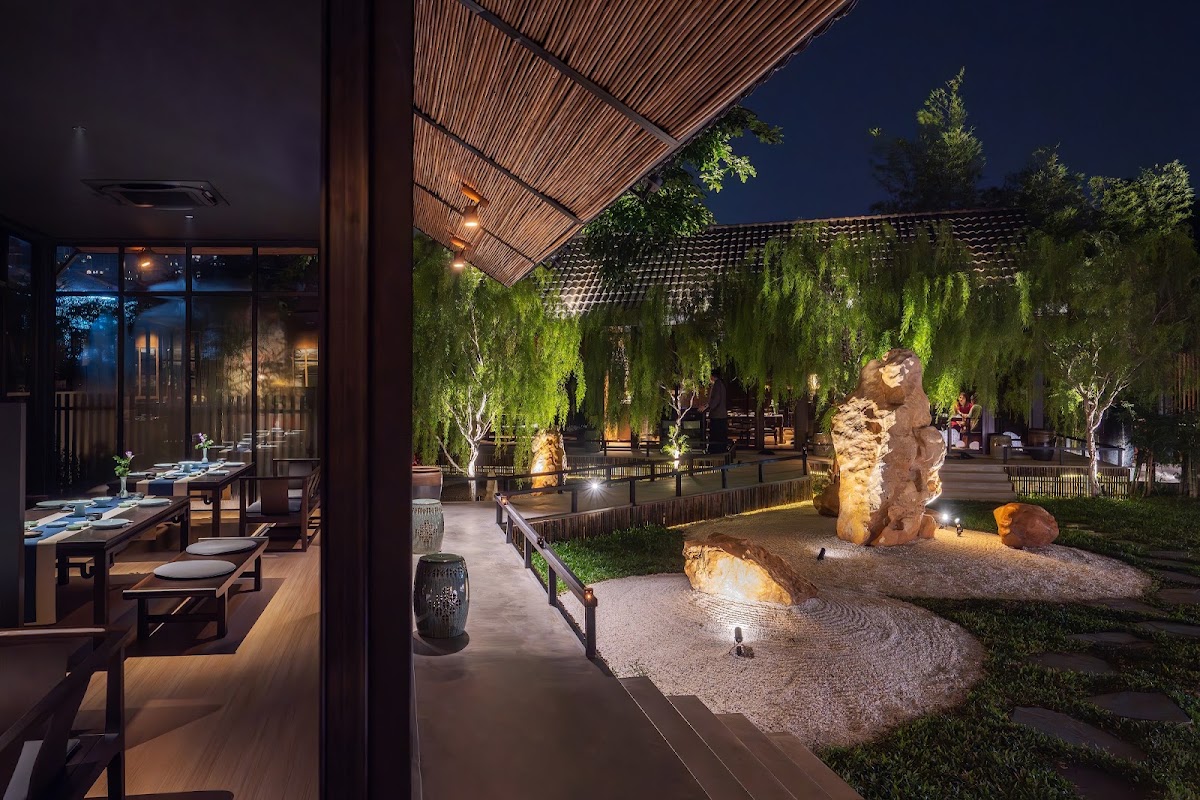
The reason this guide says Klang Valley and not KL. Dai Jin runs a Chinese-style omakase out of Klang, pork-free, with the chef’s-choice format applied to Chinese technique rather than Edomae sushi. If you have Muslim friends or family who have never been able to join an omakase dinner, this is the booking to make.
It is also the most interesting left turn on this list. You are not paying for airflown otoro here, you are paying for a progression of cooked courses built around whatever the kitchen sourced that week.
Address: Klang, Selangor
Hours: Fixed sittings by reservation; confirm directly
Price: Around RM200–350 per pax
Booking: Reservation only, book early as sittings are limited
Google Maps: Dai Jin, Klang
6. Makii Sushi
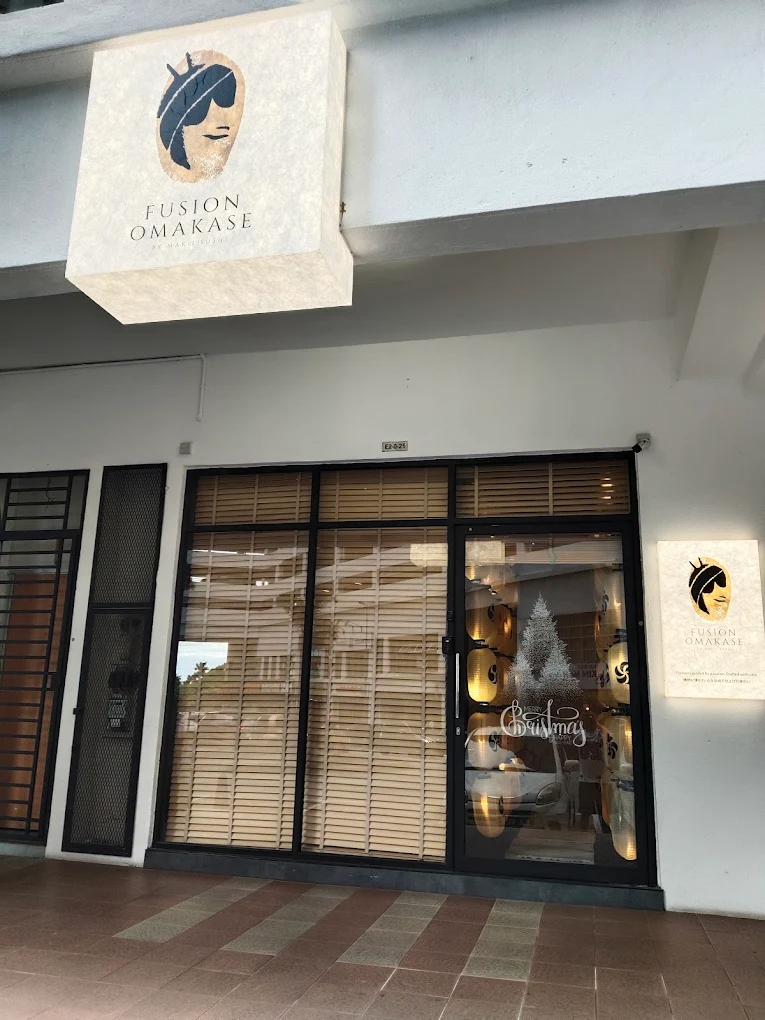
A solid mid-tier counter and a sensible first omakase. Course counts and pricing sit in that RM200 to RM400 window where you get a proper nigiri sequence without the sticker shock, and the pacing is friendly to people who have never eaten this way before.
Address: Kuala Lumpur (confirm the current outlet when you book)
Hours: Lunch and dinner sittings; check current timings
Price: Around RM200–400 per pax
Booking: Advance booking advised
Google Maps: Makii Sushi, Kuala Lumpur
7. Rakuzen
Not a destination omakase counter, and it does not pretend to be. What Rakuzen at Jaya One gives you is a reliable Japanese kitchen with set courses from lunch prices, five minutes from Seksyen 13 and parkable, which matters when the alternative is 45 minutes of Federal Highway to reach Bukit Bintang.
Treat it as the PJ-side default rather than the once-a-year splurge.
Address: Jaya One, 72A Jalan Universiti, Seksyen 13, 46200 Petaling Jaya, Selangor
Hours: Daily lunch and dinner, broadly 12:00 PM to 10:00 PM; confirm current hours
Price: Set courses from around RM150 at lunch
Booking: Walk-ins often fine on weekday lunch; book for weekend dinner
Google Maps: Rakuzen, Jaya One
8. Fukuya
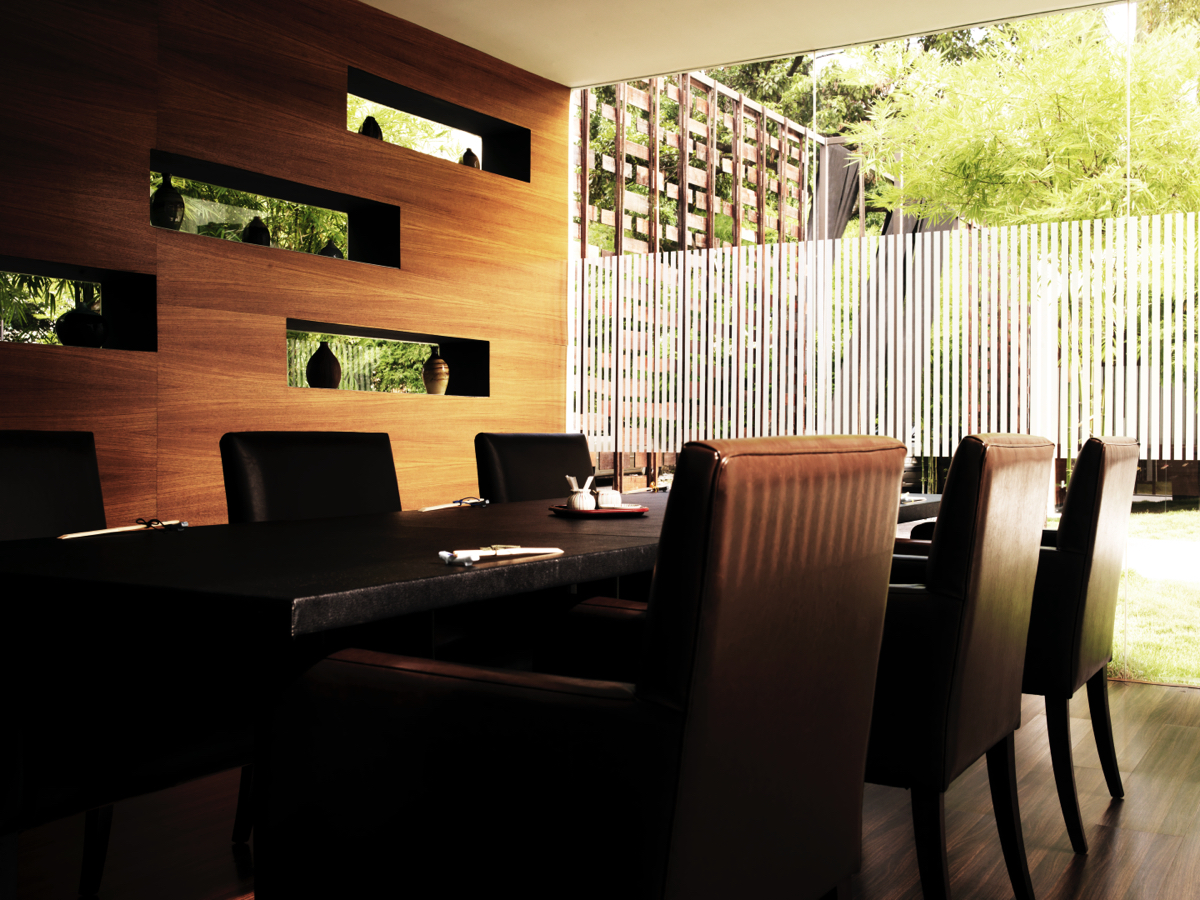
The one on this list that is closer to kaiseki than omakase, and worth knowing for exactly that reason. Fukuya’s chef’s course runs through cooked and seasonal dishes in a garden-style setting off Jalan Imbi, with tatami rooms available. Book it when the occasion calls for a Japanese fine-dining dinner rather than a nigiri marathon, or when half your table doesn’t eat raw fish.
Address: Jalan Delima, off Jalan Imbi, 55100 Kuala Lumpur
Hours: Lunch and dinner service, typically closed one day a week; confirm when reserving
Price: Chef’s courses from around RM300 per pax
Booking: Recommended, particularly for private rooms
Google Maps: Fukuya, Jalan Delima
Best for a Splurge, Best for Value
For a splurge or a milestone, it is Sushi Azabu and Sushi Oribe. Small counters, aged fish, chefs who build the meal around you. Neither does party energy, so if you want singing and a cake, book dinner elsewhere and come here next year instead.
For value, Takeen’s lunch is the clearest arbitrage on this list: largely the same kitchen and the same fish delivery as dinner, a few courses shorter, at a meaningfully lower price. Ishin’s lunch sets and Rakuzen’s course menus do similar work at the entry band. The trade-offs are real and worth saying out loud: fewer nigiri, uni appearing once instead of twice, a busier counter, and less chef chat. For a first omakase, that is a good trade. If you want a KL-city-only shortlist with a different cut of restaurants, our round-up of omakase spots in KL covers that ground.
Halal and Muslim-Friendly Omakase
These two words are not interchangeable. JAKIM-certified halal means the premises hold a certificate issued under Malaysia’s official halal certification system, which you can check through the government’s halal certification portal. “Muslim-friendly” usually means pork-free and alcohol-free service, without certification.
Dai Jin in Klang is the documented Muslim-friendly omakase in the valley and the one to call first. When you do call, ask the specific questions rather than accepting a general reassurance: is mirin or cooking sake used in the sauces, is sake used in seasoning the shari, and does the kitchen share a fryer with non-halal items. Most Japanese counters in the Klang Valley are neither certified nor pork-free, so assume no unless the restaurant tells you otherwise.
Omakase by Area
KL city (Bukit Bintang, Jalan Imbi): Sushi Azabu and Fukuya. Easiest by LRT or MRT to Bukit Bintang, and if you drive, Lot 10 and the surrounding malls charge mall rates while valet in the area can run RM30 and up on weekend evenings.
Bangsar and Damansara Heights: Sushi Oribe at Plaza Damansara. There is no useful rail link, street parking after 7:00 PM is contested, and a Grab from KLCC typically runs in the RM15 to RM25 range off-peak.
Old Klang Road and Taman Desa: Takeen and Ishin. The quiet value corridor of the valley. Parking is easier than anywhere above, and from PJ you are often closer here than to Bukit Bintang.
PJ, Subang and Klang: Rakuzen at Jaya One for the PJ side, Dai Jin for Klang. From KL city centre, budget 40 to 60 minutes to Klang on a weekday evening, and a lot worse if you leave at 6:00 PM on a Friday. Confirm lah, before you drive out that far, that your sitting time is locked in.
How to Book and What to Expect at the Counter
Booking lead time varies more than you would expect. The smaller counters take reservations by phone or WhatsApp only, sometimes a month out for weekend prime slots, and some ask for a deposit per head. Cancellation windows of 24 to 48 hours are common, and no-shows at an eight-seat counter get remembered.
State allergies, dislikes and dietary restrictions when you book, not when you sit down. The chef orders fish against confirmed covers, so telling him at 7:30 PM that you don’t eat shellfish means he is improvising with whatever is in the chiller rather than building around it.
At the counter: eat each nigiri within seconds of it being placed, because the shari is served at the temperature the chef intended. Fingers are fine. Don’t drown the piece in soy sauce, most are already seasoned. Skip heavy perfume, it genuinely interferes with the food for everyone else sitting there. Ask questions, chefs usually enjoy it, but read the room if the counter is full.
Budget 90 minutes for a lunch set and up to two and a half hours for a long dinner. Smart casual is fine almost everywhere. On photos, a quick phone shot between courses is normal; a tripod, flash and a two-minute styling session is not, and some chefs will tell you so.
Is Omakase in the Klang Valley Worth It?
Yes, but the value is not where the glossy lists point. The mid-tier counters and lunch sets, roughly RM200 to RM400 a head, deliver most of the experience for a fraction of the top-end bill, and a few RM600-plus rooms in KL are clearly charging for interior design and address as much as for fish.
A simple rule: if this is your first omakase, book a lunch set at Takeen or Ishin before you commit RM500 to a dinner. You will learn what you actually like, and whether the format is for you, for the price of a decent brunch for two.