
Foods That Reduce High Cholesterol: A Heart-Healthy Diet Guide
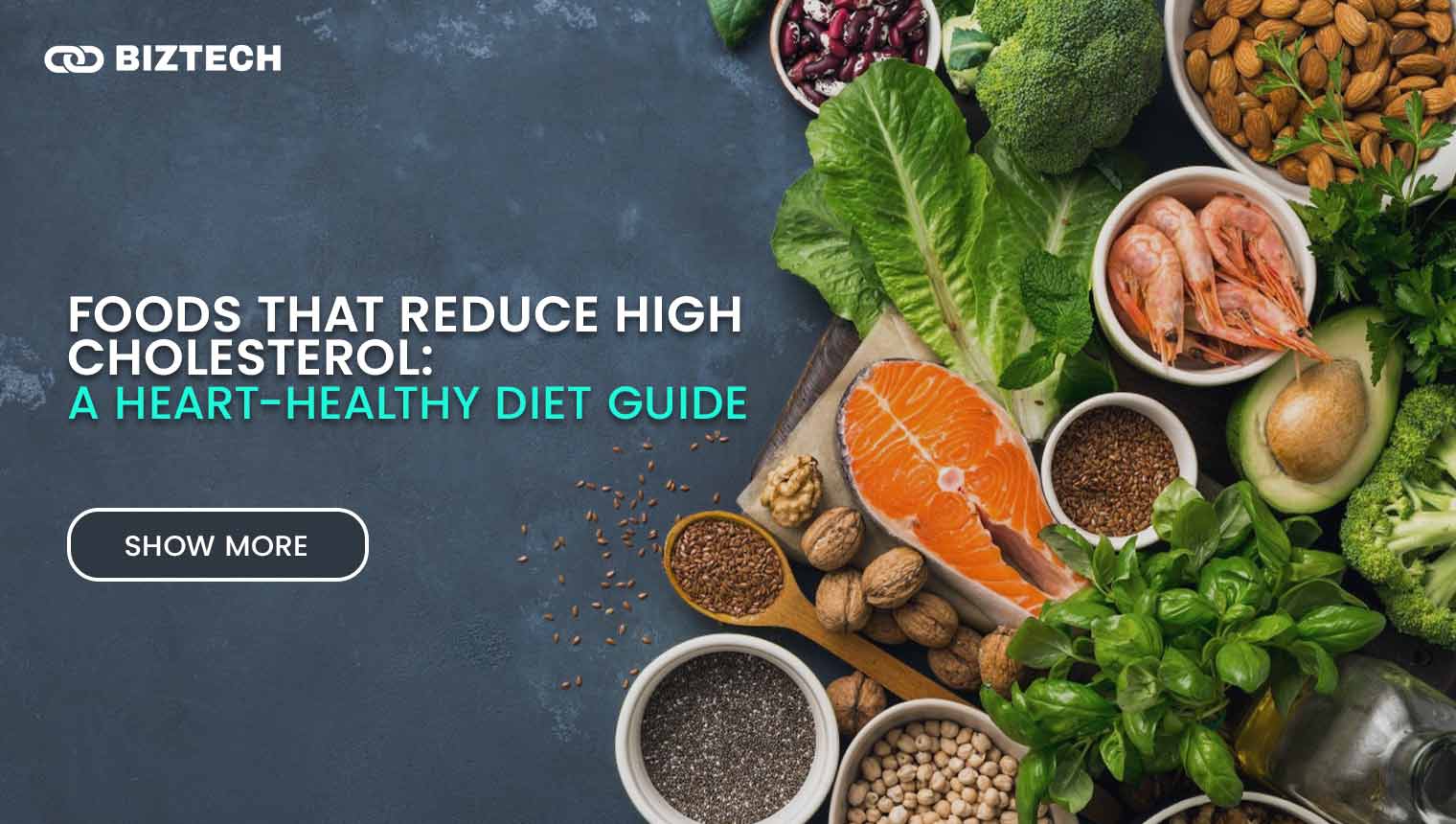
Diet and Cholesterol: The Latest Understanding (2026)
As of 2026, research continues to confirm that diet plays a significant role in managing blood cholesterol levels, especially LDL (“bad”) cholesterol. Rather than focusing on single “magic” foods, current expert guidance emphasises diet patterns — such as Mediterranean-style and plant-forward diets — which combine sources of soluble fiber, healthy fats, and antioxidants to support healthy lipid profiles.
Foods high in soluble fiber bind cholesterol in the digestive tract and help remove it from the body. Meanwhile, unsaturated fats — particularly monounsaturated and polyunsaturated fats — can help lower LDL when they replace saturated fats and trans fats in the diet. Additionally, emerging research shows that some foods may support heart health by reducing inflammation and improving blood vessel function, contributing to overall cardiovascular benefits.
Understanding Cholesterol: The Good, the Bad, and the In-Between
Cholesterol, a waxy substance in our blood, plays a complex role in our health. It is essential for building healthy cells and producing hormones, but too much of the wrong kind can also be harmful. Let’s explore the different types of cholesterol and how diet can influence their levels:The Players:
- LDL (Low-Density Lipoprotein): Known as “bad” cholesterol, LDL transports cholesterol to the body. High levels can result in plaque buildup in arteries, increasing the risk of heart disease and stroke.
- HDL (High-Density Lipoprotein): The “good” cholesterol, HDL removes excess cholesterol from cells and carries it back to the liver for disposal. Higher levels are associated with a lower risk of heart disease.
- VLDL (Very-Low-Density Lipoprotein): This carries triglycerides (a type of fat) from the liver to cells. High VLDL levels are linked to unhealthy dietary habits and may elevate LDL cholesterol.
Diet’s Impact on Cholesterol Levels:
What we eat significantly affects our cholesterol levels. Here’s how diet influences the key players:- Diet plays a pivotal role in managing cholesterol levels. Here’s how key nutrients impact LDL, HDL, and overall heart health:
- Saturated Fats: Found in red meat, full-fat dairy, and processed foods, they increase LDL levels.
- Trans Fats: These fats are found in fried and baked goods and raise LDL and lower HDL.
- Unsaturated Fats:
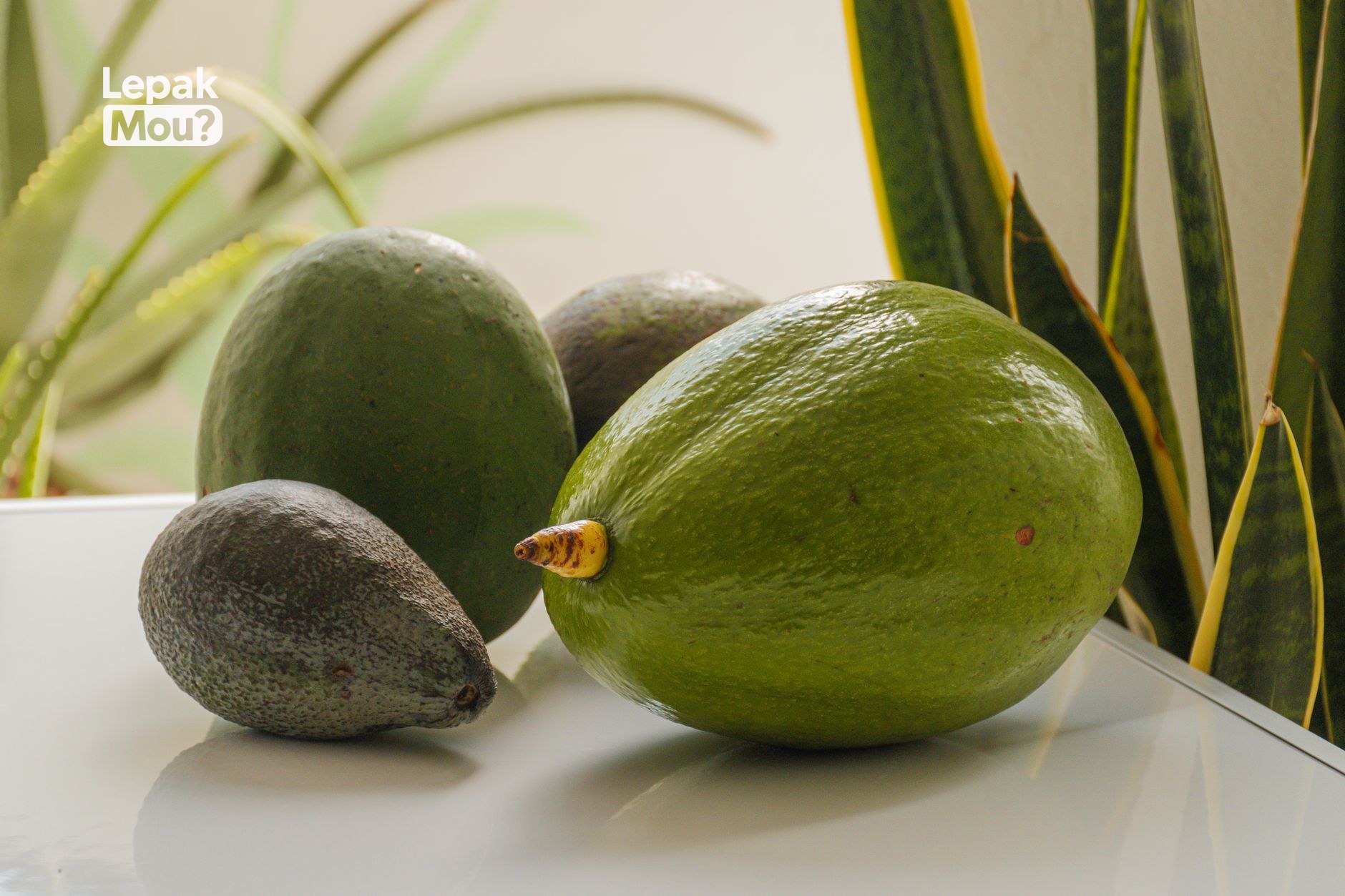
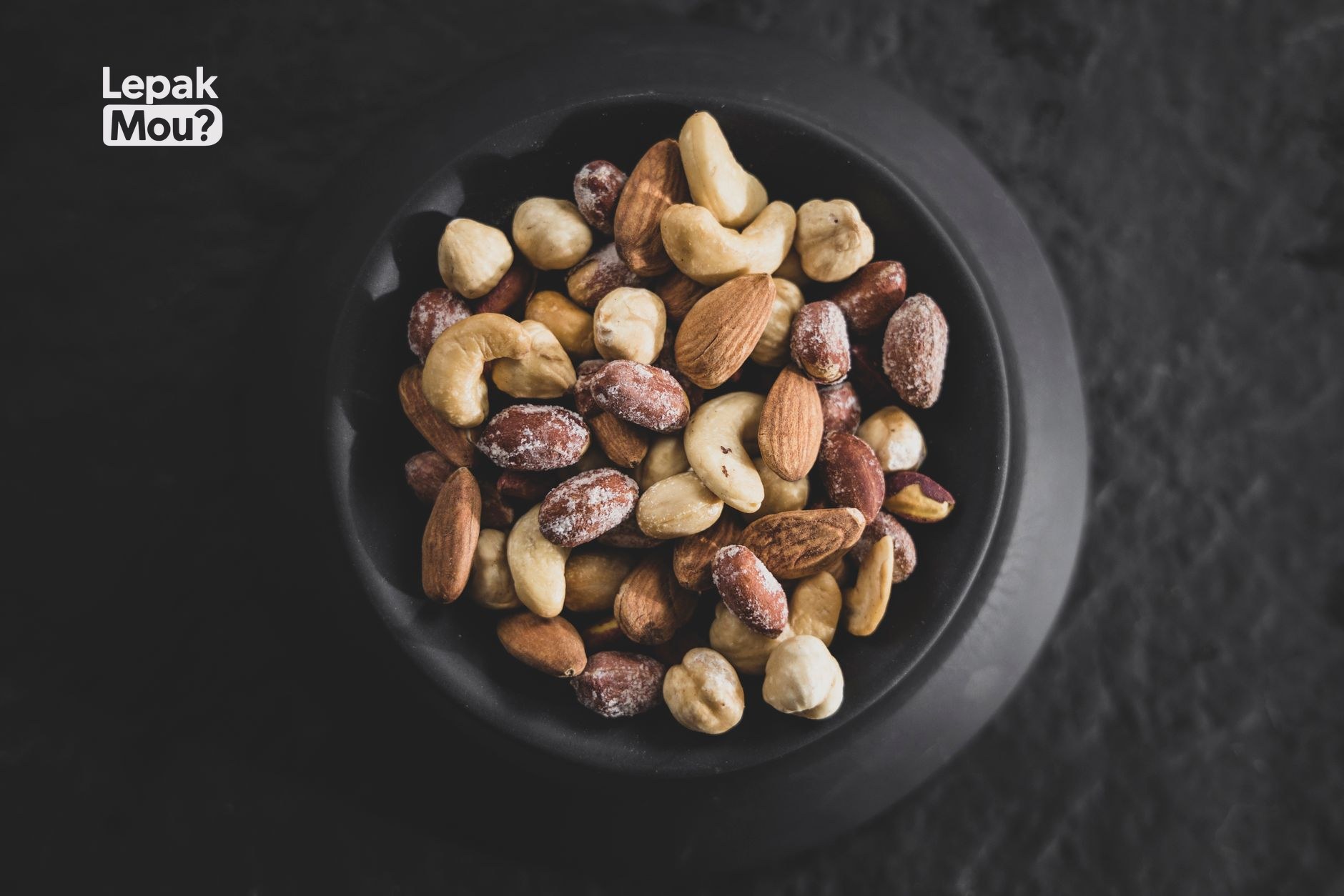
- Monounsaturated Fats: Found in avocados, olive oil, and nuts, they help lower LDL and raise HDL.
- Polyunsaturated Fats: Found in fatty fish, walnuts, and flaxseeds, they reduce LDL and improve heart health.
- Soluble Fiber: Found in oats, fruits, and vegetables, it binds to cholesterol in the digestive tract, reducing absorption.
- Plant Sterols: Naturally present in nuts, seeds, and vegetable oils, these compounds lower LDL levels.
15 Foods That Reduce Cholesterol
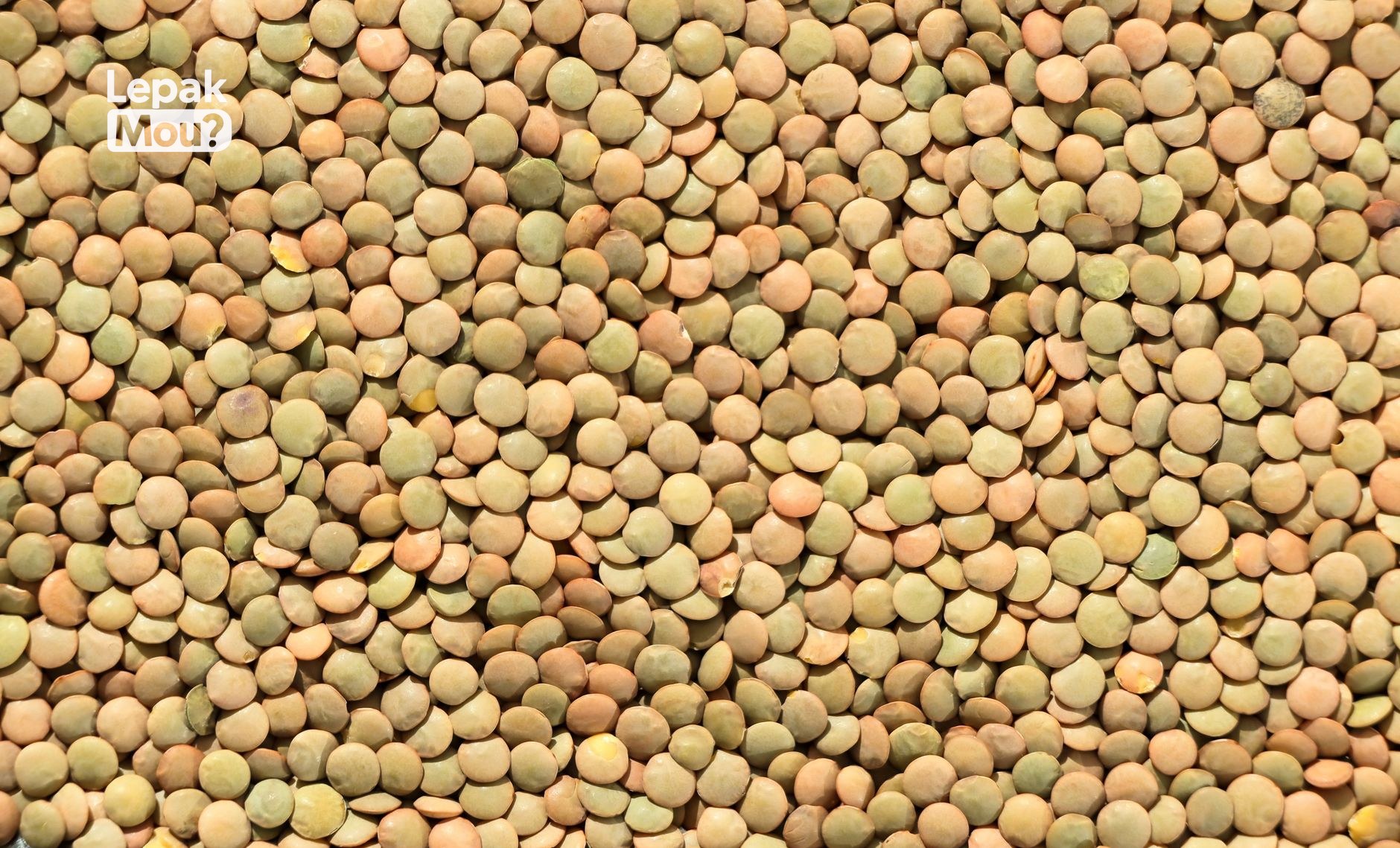
Here are 15 delicious and evidence-based foods to reduce cholesterol levels and promote heart health:1. Legumes (Beans, Peas, Lentils)
2. Avocados
3. Nuts (Walnuts, Almonds, Cashews)
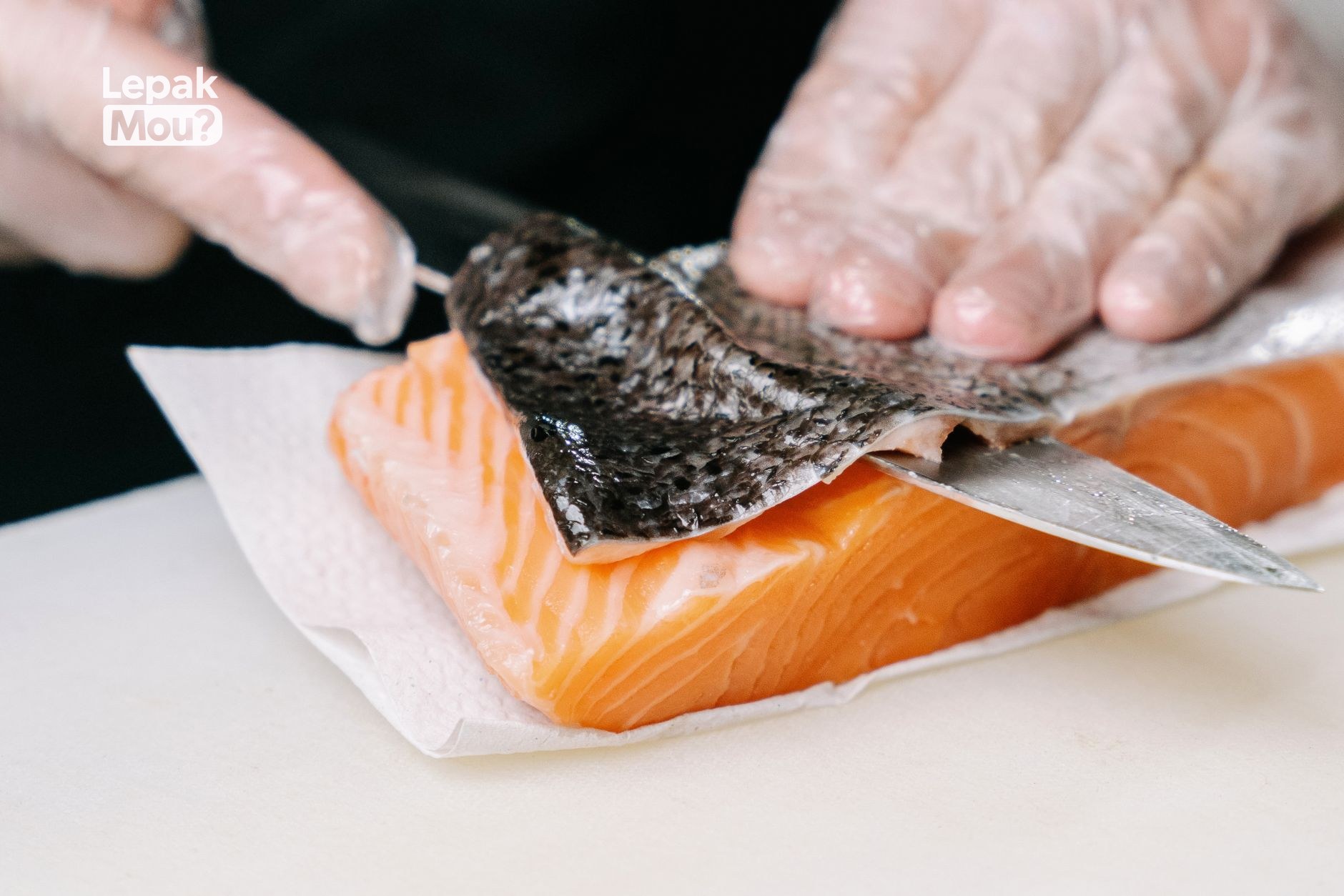
4. Fatty Fish (Salmon, Mackerel)
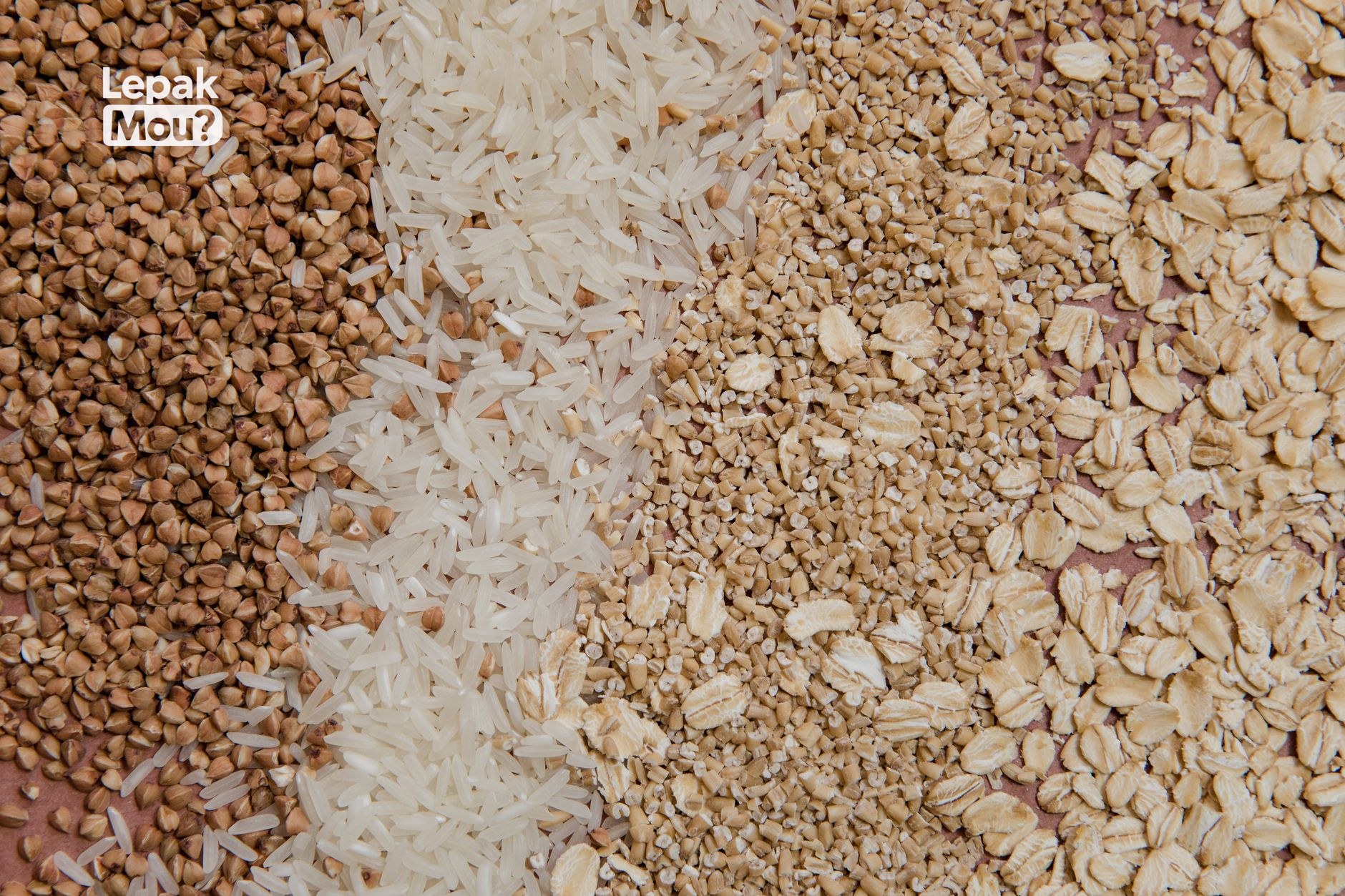
5. Whole Grains (Oats, Barley)
6. Fruits and Berries

7. Dark Chocolate (70% Cacao+)

8. Garlic

9. Soy Foods (Tofu, Tempeh)
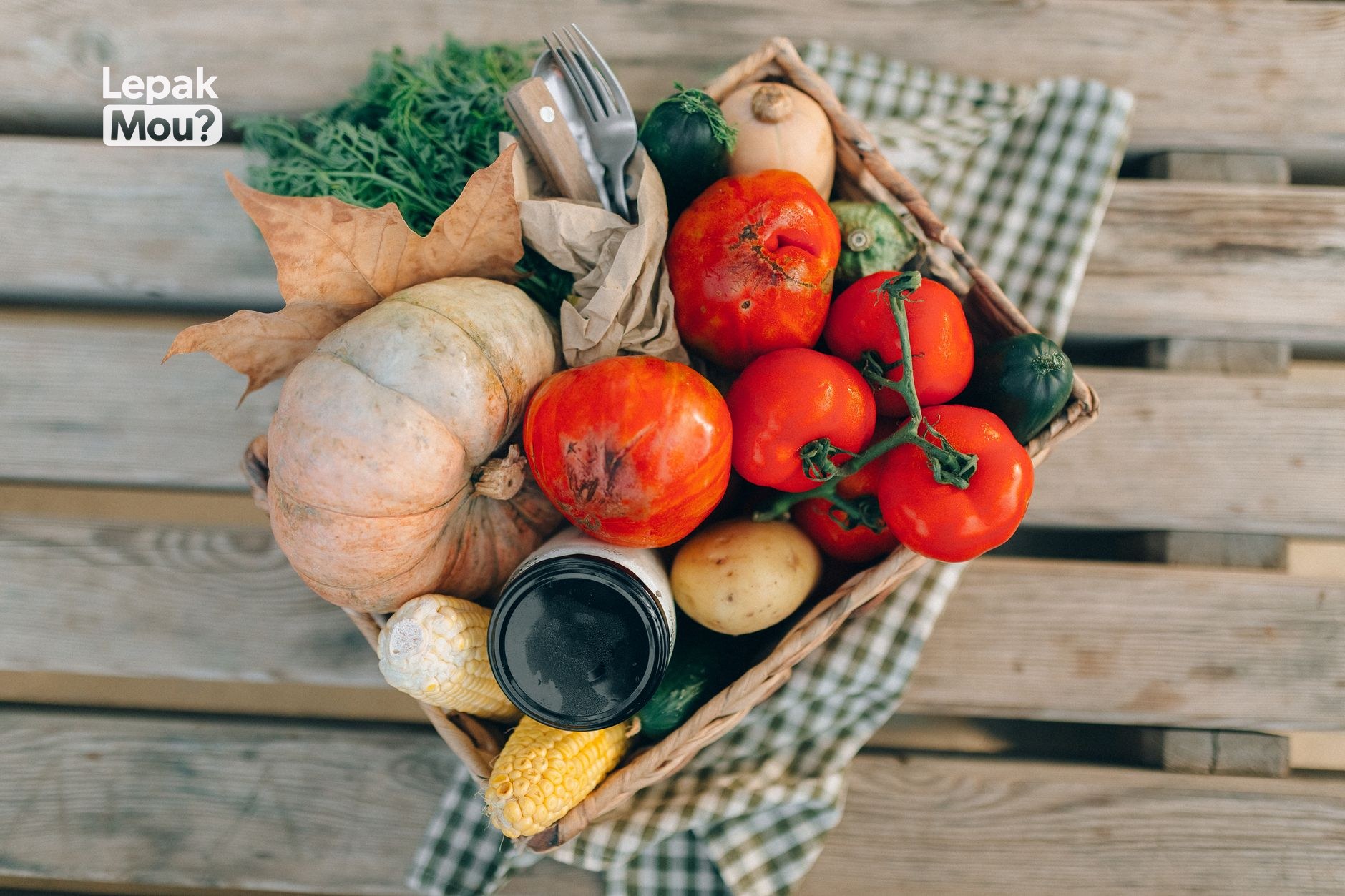
10. Vegetables (Broccoli, Spinach)
11. Tea (Green, Black)

12. Dark Leafy Greens (Kale, Spinach)

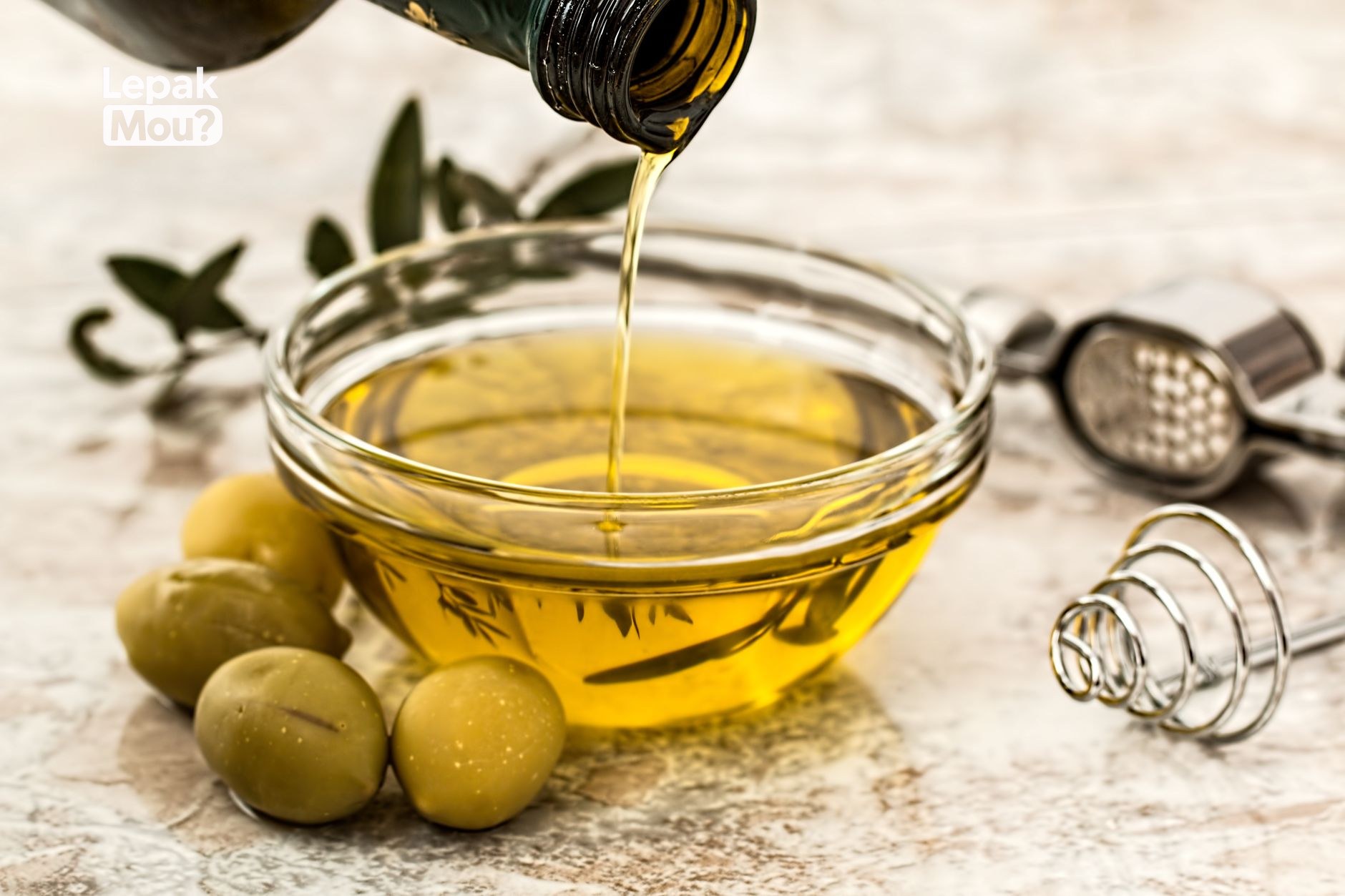
13. Extra Virgin Olive Oil
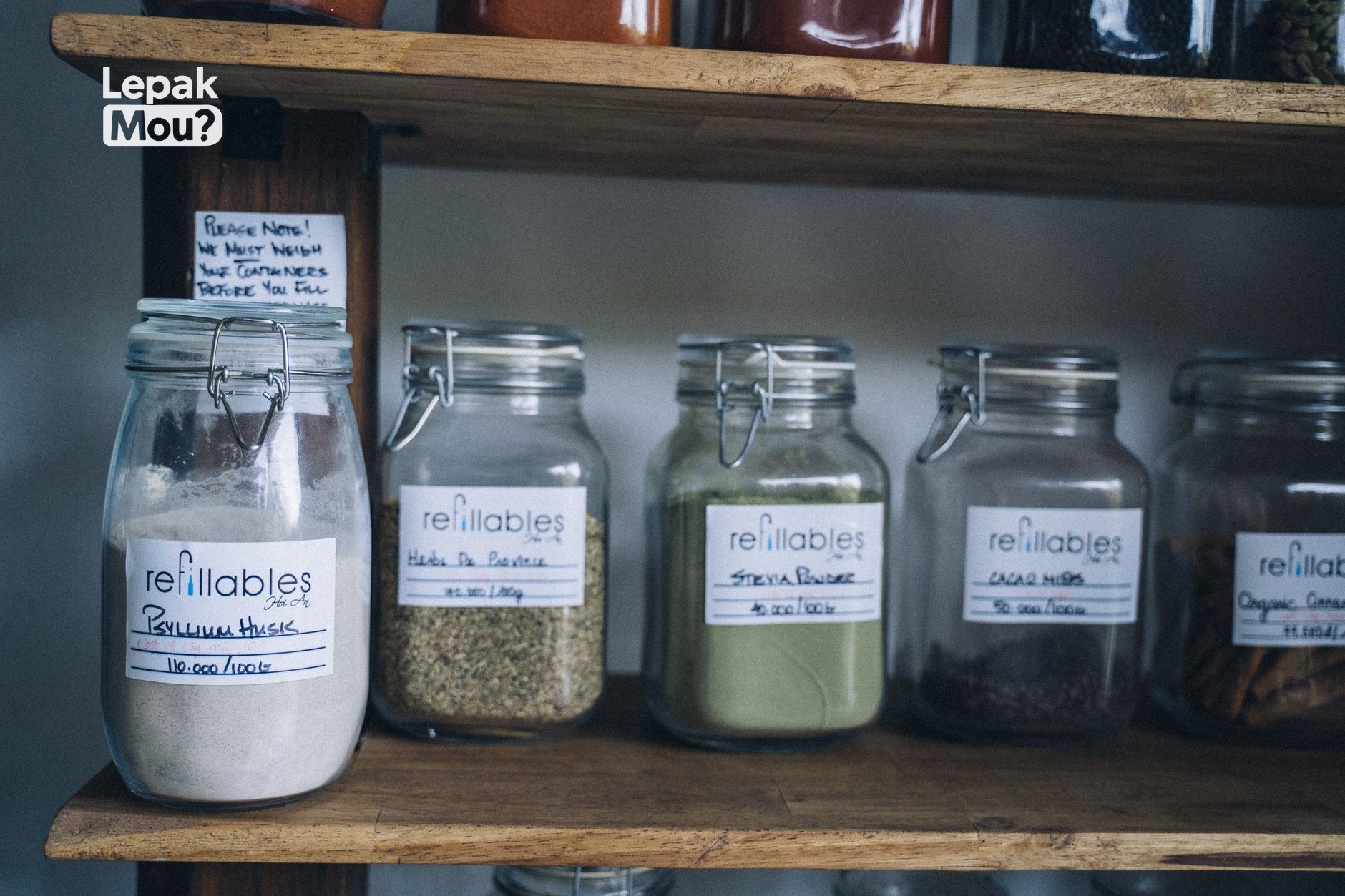
14. Psyllium Husk
15. Plant Stanols and Sterols
Foods to Limit for Healthy Cholesterol
Keeping cholesterol levels in check is crucial for a strong heart. While some foods can help lower cholesterol, others should be consumed sparingly. Here’s a closer look at the main culprits:1. Saturated and Trans Fats: The Risky Duo
- Saturated fats: Found in animal products like red meat, full-fat dairy, and coconut oil.
- Trans fats: Artificially created fats in processed foods like fried snacks, pastries, and margarine.
- Saturated fats elevate LDL (“bad”) cholesterol, raising the risk of heart disease.
- Trans fats are worse, increasing LDL and reducing HDL (“good”) cholesterol.
- Saturated fats: Fatty meats, butter, cheese, palm oil.
- Trans fats: Fried fast food, cookies, donuts, processed snacks.
- Choose lean cuts of meat and trim visible fat.
- Opt for low-fat or fat-free dairy products.
- Limit processed foods and cook more meals at home.
- Read food labels carefully and choose products with minimal or no trans fats.
2. Added Sugars and Refined Carbs: Hidden Saboteurs
- Added sugars: Sweeteners in processed foods and drinks.
- Refined carbs: Grains stripped of nutrients and fiber, like white bread.
- Sugary items: Soft drinks, cakes, candy bars, flavored yogurts.
- Refined carbs: White rice, regular pasta, pastries.
- Limit sugary drinks and opt for water, unsweetened tea, or black coffee.
- Choose whole-grain options for bread, pasta, and rice.
- Be mindful of hidden sugars in processed foods and compare labels.
- Bake your treats or choose healthier options with minimal added sugar.
3. High-Cholesterol Foods: Moderation Matters
Although dietary cholesterol isn’t the main culprit in blood cholesterol levels, overconsumption can still pose risks. Why they’re harmful: Egg yolks and organ meats can increase LDL cholesterol, particularly when consumed in conjunction with a diet high in saturated fats. Examples to limit:- Egg yolks: Stick to 4–6 per week.
- Organ meats: Liver, kidneys.
- Enjoy eggs in moderation and consider healthier options like egg whites.
- Limit organ meats and processed meats with added cholesterol.
- Focus on lean protein sources like fish, chicken, beans, and lentils.
Building a Heart-Healthy Diet: Beyond Individual Foods
1. Portion Control and Mindful Eating: Quality Over Quantity
- Portion control: Focus on eating the right amount of food to match your body’s needs.
- Mindful eating: Pay attention to hunger and fullness cues, savor your food, and avoid distractions.
- Eat slowly and savor your food.
- Pay attention to your hunger and fullness cues.
- Avoid distractions while eating (turn off the TV or put your phone away).
- Use smaller plates to encourage smaller portions.
- Practice mindful planning – plan your meals and snacks to avoid impulsive unhealthy choices.
2. Cooking Methods: Flavor Without Unhealthy Fats
The way food is prepared impacts its health benefits. Cooking methods like frying can add harmful fats while baking, grilling, and steaming preserve nutrients and reduce fat. Why it matters: Frying increases fat content and may generate harmful trans fats, while healthier cooking techniques keep the dish light and nutritious. Healthier cooking options:- Baking: Perfect for chicken, fish, vegetables, and even desserts.
- Grilling: Great for meats, seafood, and vegetables with added flavor without extra fat.
- Steaming: Ideal for preserving nutrients in vegetables, fish, and dumplings.
- Poaching: A gentle method for cooking fish, chicken, and eggs in simmering liquid.
- Limit fried foods and opt for baked, grilled, or steamed alternatives.
- Use nonstick cookware to minimize added oil.
- Marinate meats and fish before cooking to infuse flavor and reduce reliance on added fats.
- Invest in a steamer basket for easy and healthy vegetable preparation.
3. Physical Activity: A Key to a Healthy Heart
Regular exercise is vital for heart health. It strengthens the heart, improves circulation, and helps maintain a healthy weight. Why it matters: Being inactive increases the risk of heart disease. Exercise lowers LDL cholesterol, raises HDL cholesterol, and keeps blood pressure in check. Benefits: The American Heart Association recommends 150 minutes of moderate aerobic activity or 75 minutes of vigorous activity per week, plus strength training exercises twice weekly. This level of exercise can reduce the risk of heart disease, stroke, type 2 diabetes, and certain cancers. Regular physical activity is crucial for overall health, particularly heart health. It strengthens your heart muscle, improves blood flow, and helps maintain a healthy weight.- Find activities you enjoy, like walking, swimming, biking, or dancing.
- Start slowly and gradually increase the intensity and duration of your workouts.
- Break up your day with short bursts of activity, like taking the stairs or jumping jacks during commercial breaks.
- Find an exercise buddy for motivation and accountability.