
Beginner’s Guide to The F1 Super License 2026
Introduction
The FIA Super Licence is essentially the driving licence for Formula 1. It’s a mandatory credential that allows a driver to compete in the F1 World Championship. The FIA issues it when a driver has proven themselves ready for Formula 1 and has met a number of strict conditions.
The Super Licence was introduced in the early 1990s to prevent less-qualified drivers from participating in Formula 1, and was significantly revamped in 2015 following Max Verstappen’s debut at age 17. Here’s everything you need to know about how it works in 2026.
As a car enthusiast, be sure to check out this guide on: Car Maintenance Tips in Malaysia: A Self-Repair Guide for Cars
What Is the FIA Super License?
The FIA Super License is the highest-level of racing credential issued by the FIA (Fédération Internationale de l’Automobile). It is also known as the official license, which is compulsory for every driver who wishes to compete in the Formula 1 World Championship.
You can take it as passport for Formula 1 World Championship. If you don’t have this license, even if you are a very talented driver, then you can’t race in this F1 motorsport.
As global interest is rising, so F1 becomes more mainstream. Hollywood movies like the Brad Pitt F1 and real-world events such as the Macau Grand Prix and the media play big part. That’s why more people are becoming fans and now ask, “What does it take to get this super license?”
Core Requirements for an F1 License
Here are the requirements you must fulfill to be eligible for the Formula 1 license:
- Minimum age of 18 at the start of their first F1 competition (though the FIA may grant exceptions at age 17 in exceptional circumstances)
- Hold an International Grade A competition licence
- Pass an FIA theory test on knowledge of the F1 sporting codes and regulations when applying for the first time
- Complete at least 80% of each of two full seasons in any of the FIA-recognized single-seater championships
- Accumulate at least 40 Super Licence points over the previous three seasons in eligible championships
- Complete at least 300km in a representative Formula 1 car over a maximum of two days, either during an official F1 session or an accredited test.
How the Points System Works
Super Licence points are awarded based on finishing positions in a range of FIA-recognized championships. Drivers need to accumulate at least 40 points over their previous three seasons (or two seasons plus the current year of application).
Points Awarded by Championship (2026)
| Championship | 1st | 2nd | 3rd | 4th | 5th | 6th | 7th | 8th | 9th | 10th |
|---|---|---|---|---|---|---|---|---|---|---|
| FIA Formula 2 | 40 | 40 | 40 | 30 | 20 | 10 | 8 | 6 | 4 | 3 |
| IndyCar (2026 NEW) | 40 | 30 | 25 | 20 | 15 | 10 | 8 | 6 | 3 | 1 |
| FIA Formula 3 | 30 | 25 | 20 | 15 | 12 | 9 | 7 | 5 | 3 | 2 |
| Super Formula | 25 | 20 | 15 | 10 | 7 | 5 | 3 | 2 | 1 | – |
| Formula E | 25 | 20 | 15 | 10 | 7 | 5 | 3 | 2 | 1 | – |
| WEC Hypercar | 25 | 20 | 15 | 10 | 7 | 5 | 3 | 2 | 1 | – |
| Formula Regional (Europe, Americas, etc.) | 18 | 14 | 12 | 10 | 8 | 6 | 4 | 3 | 2 | 1 |
| FIA Formula 4 Championships | 12 | 10 | 7 | 5 | 3 | 2 | 1 | – | – | – |
| W Series | 15 | 12 | 10 | 7 | 5 | 3 | 2 | 1 | – | – |
| FIA Karting (max 12 pts total) | 5 | 4 | 3 | 2 | 1 | – | – | – | – | – |
Bonus Points
Drivers can earn additional Super Licence points through:
- 1 point – For completing at least 100km during an F1 Free Practice session (up to 10 points maximum)
- 2 points – For completing an FIA championship with a penalty points system without receiving any penalty points
- 5 points – For winning the Macau Grand Prix (F3 category)
- 3 points – For winning the FIA Formula Regional World Cup
- 2 points – For winning the Macau Grand Prix (F4 category)
Important Rules
- Points can be accumulated from up to 2 championships per calendar year (provided the second championship starts after the first ends)
- FIA Karting Championships can contribute up to 12 points maximum, valid for 5 years
- For Formula 4, drivers must be at least 15 years old to receive Super Licence points
- If fewer than 16 drivers start the first race of an event, points are reduced proportionally
How Much Does a Super Licence Cost?
The Super Licence comes with annual fees that scale based on performance. For the 2026 season, the fee structure is:
- Base fee: €11,842 per driver
- Per-point fee: €2,392 for every World Championship point scored in the previous season
This means top-performing drivers pay significantly more. The fees are typically paid by the driver’s team and are excluded from F1’s budget cap.
2026 Super Licence Fees (Based on 2025 Points)
| Driver | 2025 Points | 2026 Licence Fee | Team |
|---|---|---|---|
| Lando Norris | 423 | €1,023,658 | McLaren |
| Max Verstappen | 421 | €1,018,874 | Red Bull |
| Oscar Piastri | 410 | €992,762 | McLaren |
| George Russell | 319 | €775,390 | Mercedes |
| Charles Leclerc | 242 | €590,906 | Ferrari |
| Lewis Hamilton | 156 | €384,994 | Ferrari |
| Kimi Antonelli | 150 | €370,642 | Mercedes |
| Alex Albon | 73 | €186,458 | Williams |
| Carlos Sainz | 64 | €164,930 | Williams |
| Fernando Alonso | 56 | €145,794 | Aston Martin |
| Nico Hülkenberg | 51 | €133,834 | Audi |
| Isack Hadjar | 51 | €133,834 | Red Bull |
| Oliver Bearman | 41 | €109,914 | Haas |
| Liam Lawson | 38 | €102,738 | Racing Bulls |
| Esteban Ocon | 38 | €102,738 | Haas |
| Lance Stroll | 33 | €90,778 | Aston Martin |
| Pierre Gasly | 22 | €64,466 | Alpine |
| Gabriel Bortoleto | 14 | €45,330 | Audi |
| Franco Colapinto | 0 | €11,842 | Alpine |
| Valtteri Bottas / Sergio Perez / Arvid Lindblad | 0 | €11,842 | Various |
The FIA is expected to collect approximately €7.1 million from Super Licence fees in 2026.
Penalty Points System
The Super Licence also functions as a conduct control mechanism. Drivers accrue penalty points for on-track infractions, similar to a regular driving licence. If a driver accumulates 12 penalty points within a 12-month period, they receive a one-race ban.
The only driver to ever receive a race ban through this system was Kevin Magnussen, who was banned from the 2024 Azerbaijan Grand Prix after reaching 12 points.
Penalty points expire 12 months after they were issued. Drivers can also receive reprimands, and five reprimands in a season may result in additional grid penalties and penalty points.
Current Penalty Points Leaders (as of December 2025)
Ollie Bearman currently leads with 10 penalty points – just 2 away from an automatic race ban. His next points don’t expire until May 2026, so he’ll need to drive carefully through the early part of the season.
Free Practice Only Super Licence
Since 2019, the FIA has required drivers participating in F1 free practice sessions to hold a separate Free Practice Only Super Licence. This allows young drivers to gain F1 experience before qualifying for a full licence. The requirements are:
- Minimum age of 18
- Hold an International Grade A competition licence
- Pass the FIA theory test
- Have completed either 6 F2 races OR accumulated 25 Super Licence points in eligible championships
The Pathway: From Karting to F1 License
The pathway to Formula 1 is not an easy game as it starts too early when even drivers who are ambitious for it are still children. The FIA Super License pathway is designed for racers to test their racing talent, discipline, and consistency at every level before reaching the top level.
Karting: First step is karting and every F1 driver starts with this, in which they learn racecraft at national and international levels.
Formula 4 (F4): Then from karting, this pathway moves to Formula 4 (F4) and it is the first FIA-approved step where results will help you to start earning Super License points.
Formula 3 and Formula 2: Next comes Formula Regional also known as Formula 3, followed by Formula 2, which acts as the main feeder series to Formula 1. The good news is that success in F2 often guarantees you enough points to qualify for the final Super License.
Formula 1: Finally comes Formula 1, but only after the FIA approves the application for the Super License. At this final stage, a driver has usually spent a decade or more to achieve different ranks.
Driving Academies
Along the way, elite driver academies like the Ferrari Driver Academy, Red Bull Junior Team, and the historic Winfield Racing School provide you with professional coaching, physical and mental training, and amazing opportunities to connect with F1 teams.
One of the most iconic milestones is the Macau Grand Prix, which is known as a prestigious F3 event. If you are winning there or even performing well, it can instantly boost driver’s reputation, just because it has for legends like Ayrton Senna and Michael Schumacher. For many people, Macau is the race that turns “promising junior” into “future Formula 1 star.”
Be sure to also read this handy guide on: How to Properly Jump-Start Your Car: 3 Different Methods in Different Situations
Where to Get Training and Apply for a Super License
You can get training and apply for super license through following:
National Motorsport Authorities (ASNs): You can take Motorsport UK, FFSA (France), and ACI Italy. These authorities processes license applications and endorsements for racers.
FIA-recognized schools and academies: They host different things for you such as training modules, compliance prep, and theoretical guidance also.
Regional variations: You should be aware of that pathways differ by continent. In Asia, alignment with FIA Asia regional championships is key, and the same is true in Americas. Also you can see similar alignment with IndyCar, regional formula series, etc.
Famous Super License Journeys
Every driver follows a different route to the F1 Super License, as some take the common route like every junior do, while others make history by breaking the rules or pushing them to the limit no one reach before. Let’s take a look at a few well-known examples of well known drivers.
Lewis Hamilton
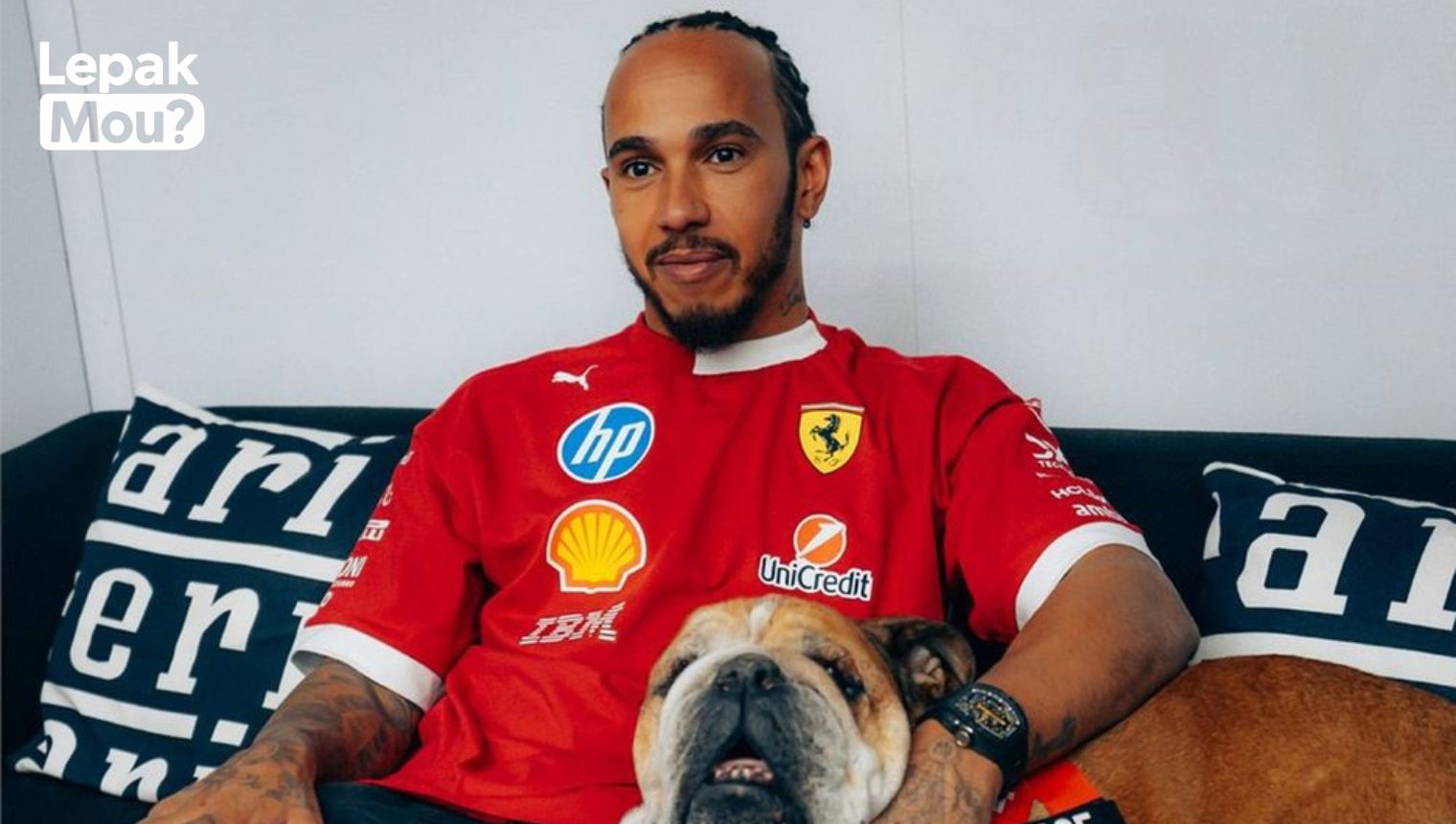
Lewis Hamilton followed the textbook path as it’s for everyone like: Karting → Formula Renault → Formula 3 → GP2 → Formula 1. His fast achievement of ranks showcased his consistency and raw talent, proving that the traditional system works for you when you combine skill with determination.
Max Verstappen
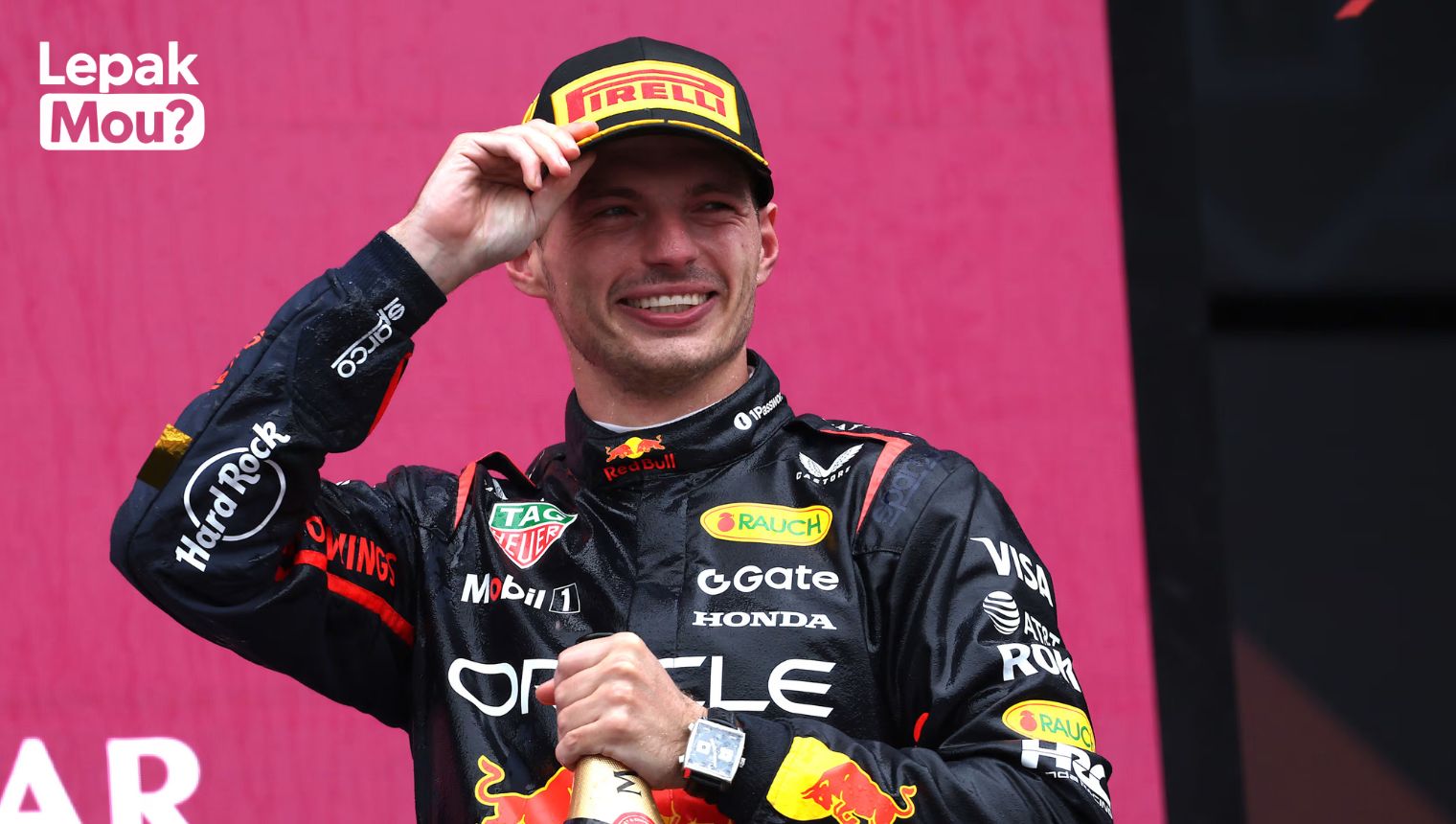
Max Verstappen’s story is quite different from Hamilton because he made a record of moving from Formula 3 straight into F1 at just 17 years old. This case caused controversy and led the FIA to strict age and experience rules. After Max’s journey, the authorities made it completely impossible to make this shortcut happen ever again.
Andrea Kimi Antonelli
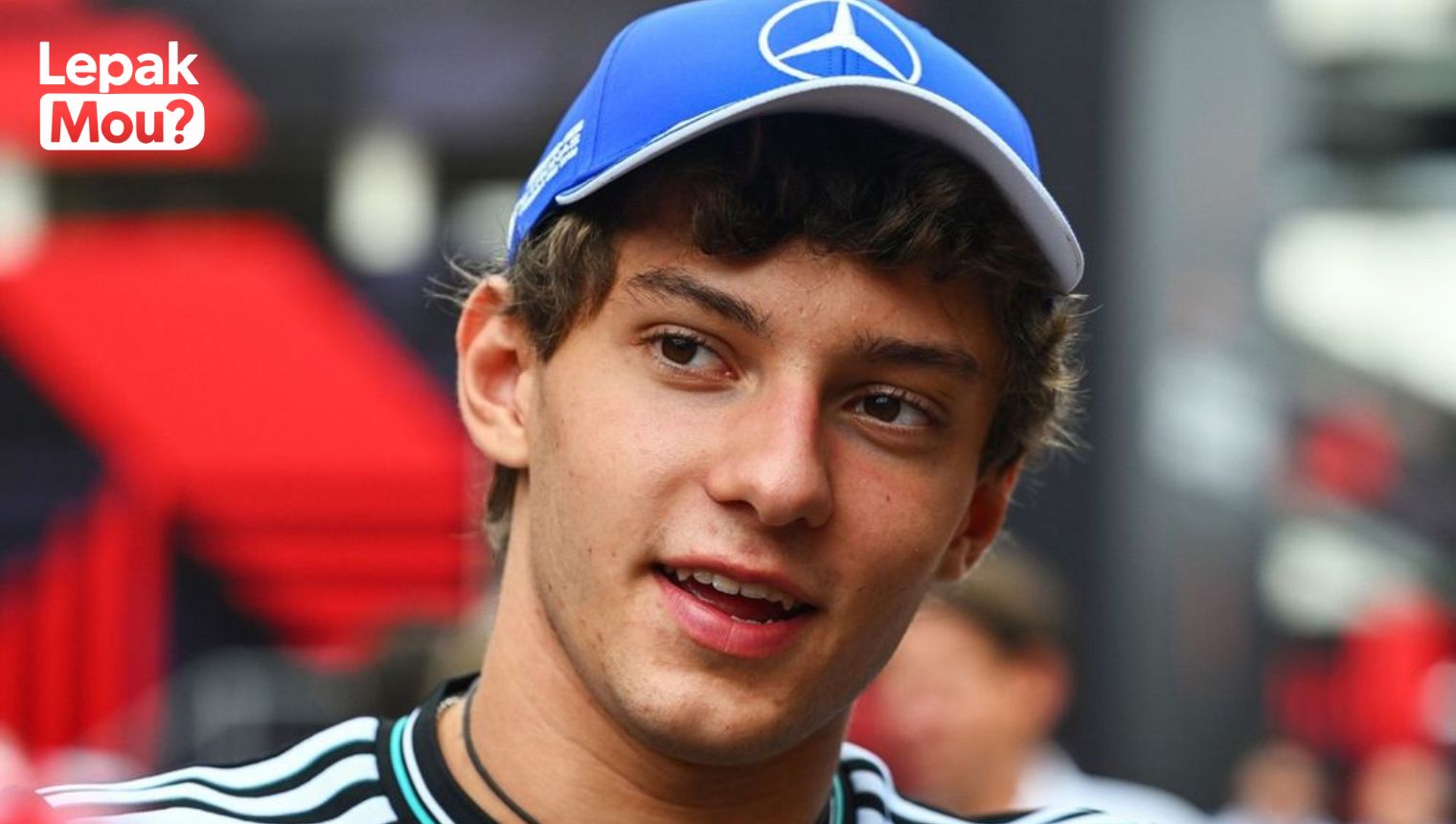
The Mercedes junior driver benefited from a 2024 rule change that allows the FIA to grant Super Licences at age 17 in exceptional circumstances. Antonelli had accumulated enough points before even competing in F2 (having skipped F3), and the rule change allowed Mercedes to run him in FP1 sessions before his 18th birthday in August 2024. He joined Mercedes as a race driver for 2025.
Brad Pitt, Lewis Hamilton, and Damson Idris at the F1 Movie Premiere

The upcoming Hollywood film on F1 is produced by Lewis Hamilton, starring Brad Pitt and Damson Idris. This amazing movie is going to show you the exact journey, demonstrating how long, political, and exhausting the path to Formula One is. If you are one of Formula One’s fans, it could be the most realistic look for you on how and what it takes to earn a Super License for this racing world championship.
Exception Provisions
The FIA maintains some flexibility in the system:
- 30-Point Exception: A driver who has accumulated at least 30 points and competed in eligible championships but couldn’t reach 40 due to “circumstances outside their control or reasons of force majeure” may be granted a licence at the FIA’s discretion.
- Previous Licence Holders: Drivers who have previously held a Super Licence can qualify for a new one by completing 100km in a free practice session within the last 3 years, or by demonstrating “outstanding ability in single-seater formula cars.”
- COVID-19 Provision: The FIA allowed drivers to count their three best-scoring seasons from a four-season window if that window included 2020 or 2021.
Conclusion
An F1 license (FIA Super License) is far more than a piece of documentation, as it’s proof of your discipline, consistency, performance, and strategic pathway planning in motor racing championships.
If you are really passionate about F1, start karting now without wasting a second, keep doing hard work, and build your record in FIA-certified series; with time, aim to accumulate points and keep yourself engaged with national motorsport bodies.
While some argue the points system undervalues certain championships, recent adjustments – particularly the 2026 IndyCar points increase – show the FIA’s willingness to evolve the system to reflect the global motorsport landscape.