
10 Best Hydrogen Cars Revolutionizing the Future of Driving
Everyone’s talking about electric cars these days, but another clean technology is quietly stepping up — hydrogen cars. They don’t need to plug in, they don’t belch out smoke, and refueling takes less time than ordering coffee. In 2025, more carmakers are betting big on hydrogen, and it’s starting to show.
So, What’s a Hydrogen Car Anyway?
Think of a hydrogen car as an electric car with a twist. Instead of storing power in a giant battery, it makes its own electricity using hydrogen gas. Inside, a fuel cell mixes hydrogen with oxygen and produces power — and the only thing that comes out of the tailpipe is water vapor. No noise. No fumes.
It sounds futuristic, but the idea isn’t new. What’s different now is that the technology finally works well enough for everyday use. You can fill up a tank in about five minutes and drive for 600 kilometers or more. That’s enough to make even EV owners jealous.
Why Hydrogen Cars Are Getting Popular
The biggest reason people like hydrogen cars is convenience. They drive far, refuel fast, and feel smooth on the road. There’s no waiting for hours at a charger. Pull in, fill up, drive off.
The problem, though, is where to refuel. Stations are still rare outside Japan, Korea, and parts of Europe. But 2025 looks better — governments are funding hydrogen infrastructure, and Asia is paying close attention. Malaysia, for instance, is exploring hydrogen as part of its energy roadmap, while Petronas is already testing hydrogen production projects.
Hydrogen isn’t replacing electric cars yet, but it’s carving out its own space.
The 10 Best Hydrogen Cars in 2025
1. Toyota Mirai
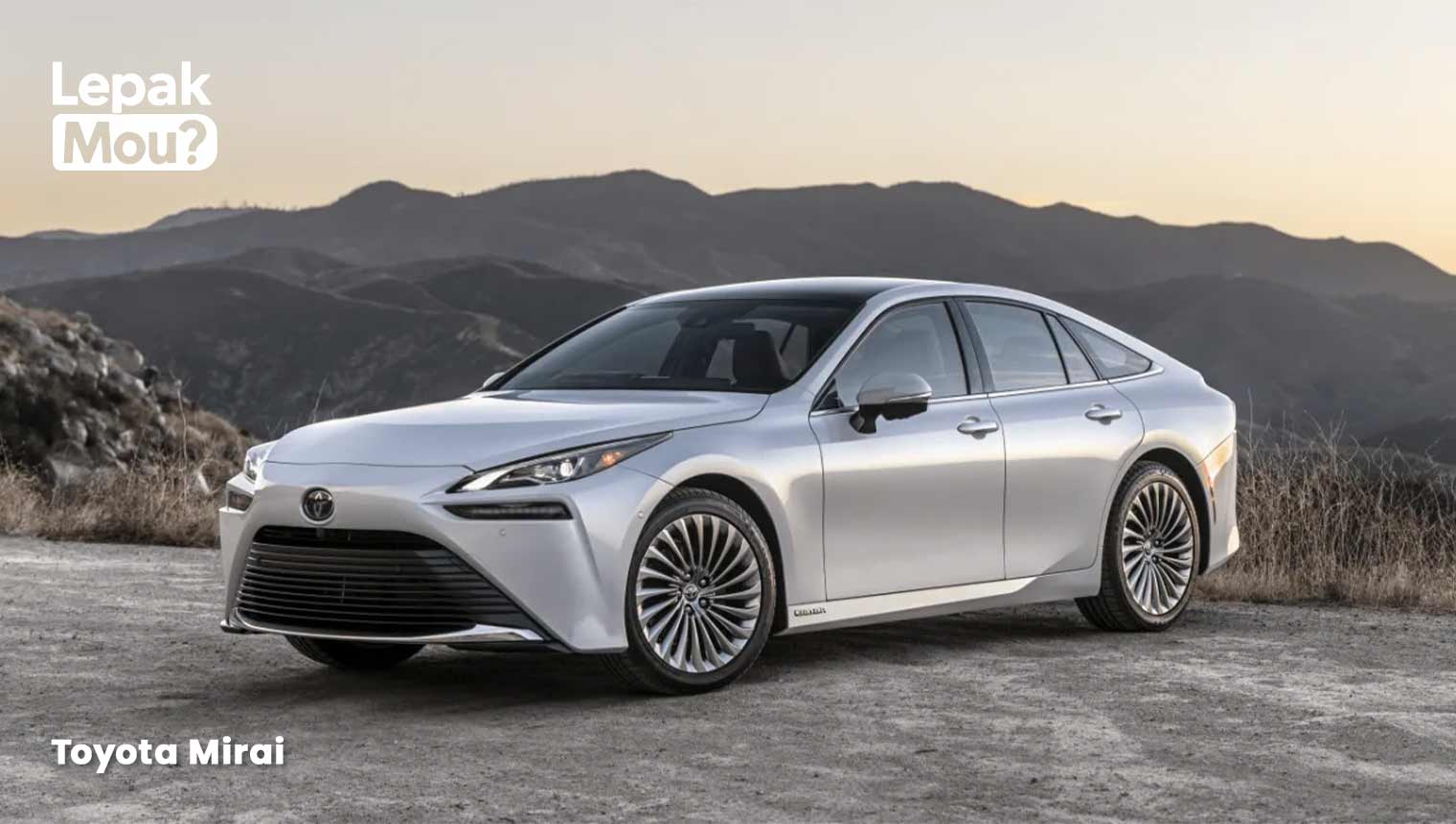
Still the gold standard of hydrogen cars. The 2026 Toyota Mirai starts at $51,795 and gives you about 647 km (402 miles) of range with less than five minutes to refuel. It’s smooth, silent, and feels solid on the highway. For 2026, Toyota has added standard 19-inch black machine-finished alloy wheels and upgraded to Toyota Safety Sense 3.0 for enhanced driver assistance. New buyers also receive up to $15,000 in complimentary hydrogen fuel (6 years for purchases, 3 years for leases).
| Specification | Details |
| Type | Sedan |
| Range | 647 km / 402 miles (EPA) |
| Refueling Time | < 5 minutes |
| Power Output | 182 hp |
| Top Speed | 175 km/h |
| Country of Origin | Japan |
| Status | In production |
2. Hyundai Nexo
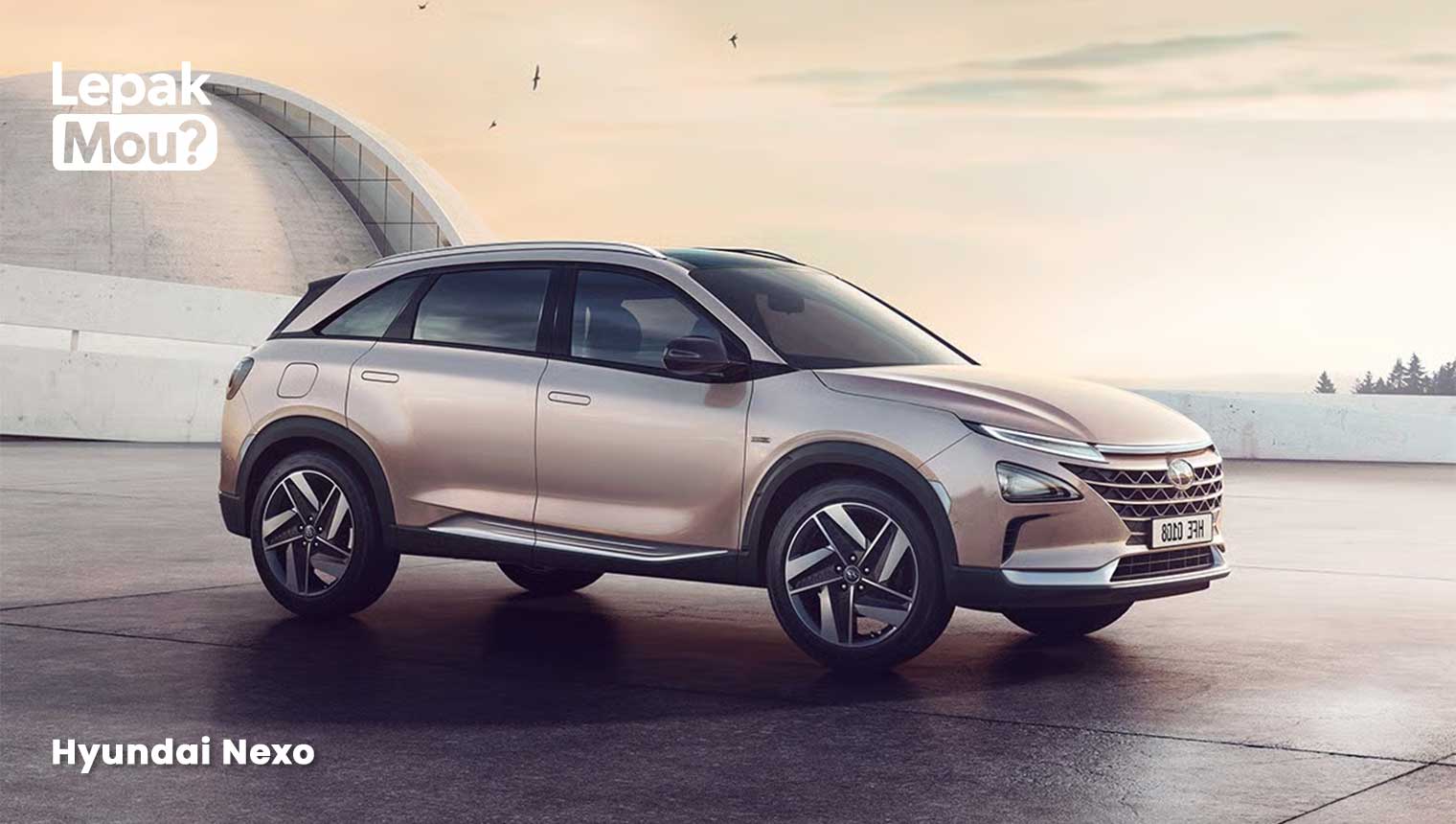
The 2026 Hyundai Nexo has been completely redesigned with Hyundai’s bold “Art of Steel” design language. If you want an SUV that runs on hydrogen, the new Nexo is a compelling choice. It now goes about 700 km (436 miles) per tank — a significant improvement over its predecessor — and accelerates from 0-62 mph in just 7.8 seconds, down from 9.2 seconds. The interior features dual 12.3-inch curved displays, generative AI-powered voice recognition, and an available Bang & Olufsen premium sound system. Notably, the 2026 Nexo is the first FCEV with towing capability, rated at up to 1,000 kg.
| Specification | Details |
| Type | SUV |
| Range | 700 km / 436 miles (WLTP) |
| Refueling Time | 5 minutes |
| Power Output | 161 hp |
| Top Speed | 179 km/h |
| Country of Origin | South Korea |
| Status | In production (2026 redesign) |
3. Honda CR-V e:FCEV
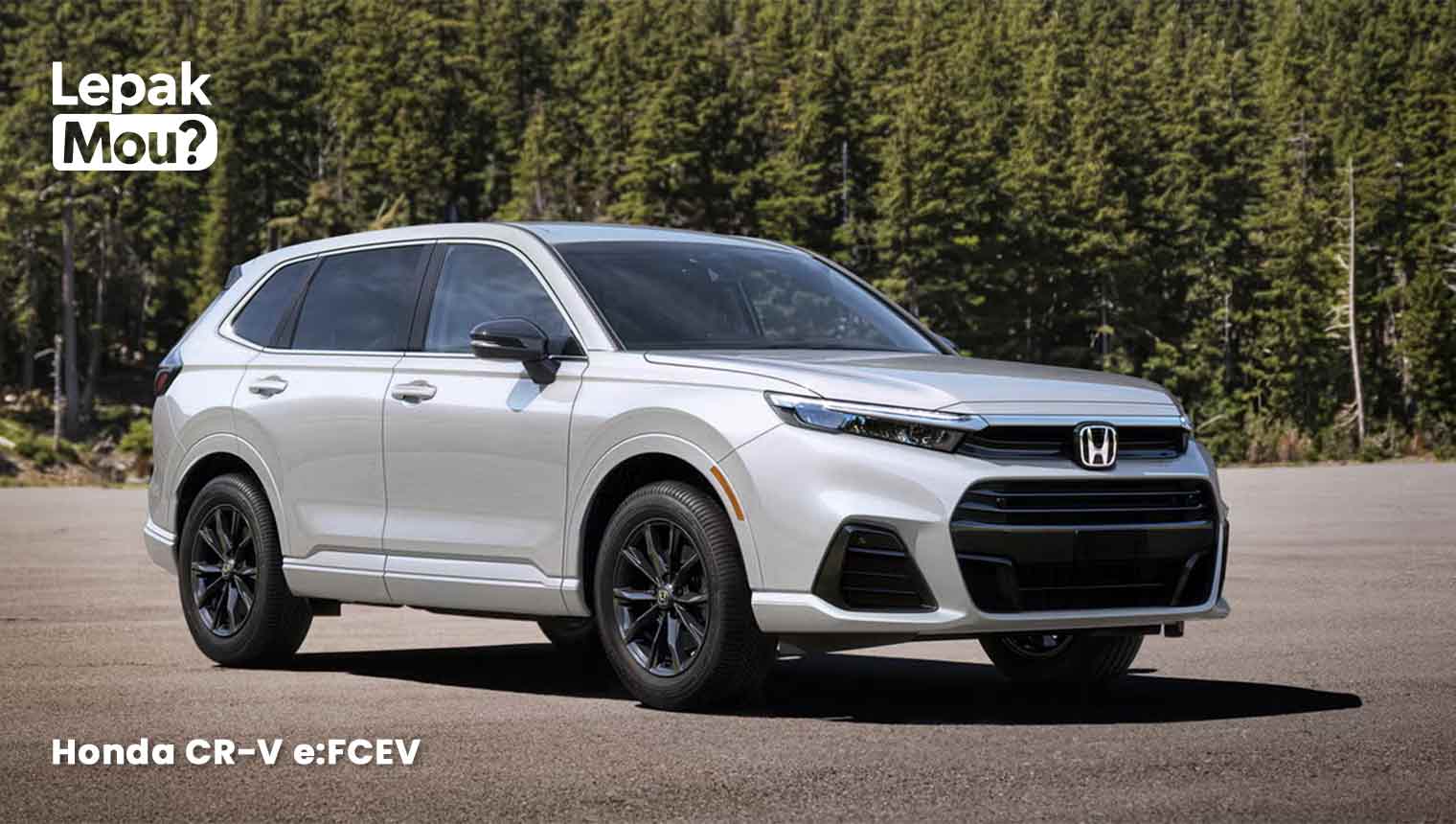
Honda dropped the old Clarity and replaced it with something more versatile — the CR-V e:FCEV. It’s part plug-in, part hydrogen. You can charge it at home or refuel at a station. It’s a practical move that blends the best of both worlds.
| Specification | Details |
| Type | SUV (Plug-in Hybrid FCEV) |
| Range | ~600 km combined |
| Refueling Time | 6 minutes |
| Power Output | 174 hp |
| Top Speed | 170 km/h |
| Country of Origin | Japan |
| Status | Limited rollout (2025) |
4. BMW iX5 Hydrogen
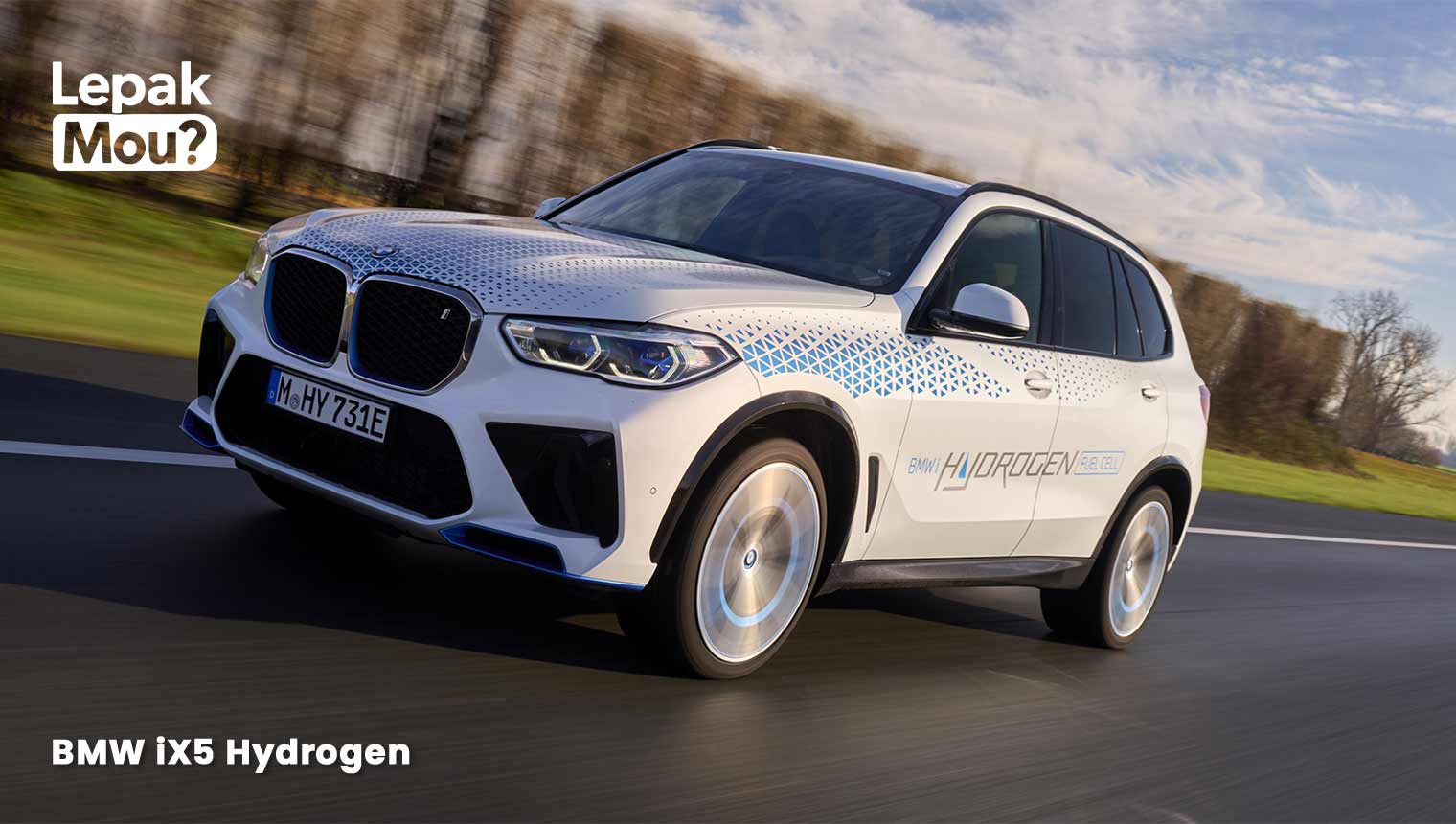
BMW’s first hydrogen SUV, the iX5 Hydrogen, feels every bit like a premium X5 — just cleaner. It can travel 500 km on a tank and refuels in roughly four minutes. Right now, it’s available in small batches for pilot programs across Europe and Asia.
| Specification | Details |
| Type | Luxury SUV |
| Range | 504 km (WLTP) |
| Refueling Time | 4 minutes |
| Power Output | 401 hp |
| Top Speed | 185 km/h |
| Country of Origin | Germany |
| Status | Series production from 2028 |
5. Toyota Crown FCEV
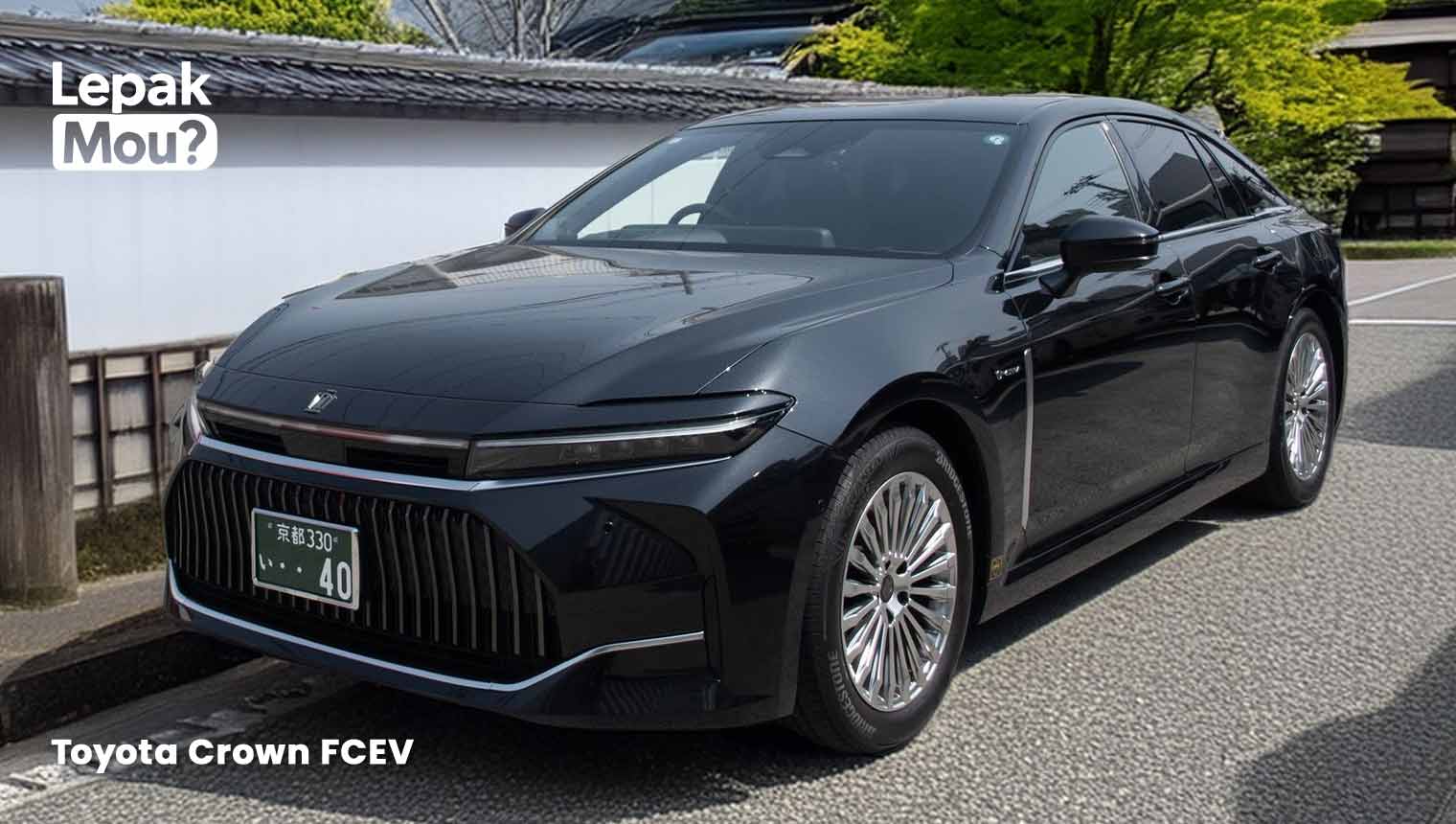
The Crown FCEV is Toyota’s more luxurious spin on the Mirai. It shares the same high-performance fuel cell system but adds upscale materials, a refined interior, and smoother suspension tuning. The Crown Sedan FCEV is now on sale in Japan, where it’s being deployed in Tokyo taxi fleets (targeting 200 vehicles by March 2026) and Fukushima police vehicles. Range sits at an impressive 820 km thanks to three high-pressure hydrogen tanks. Note: This model is currently only available in Japan.
| Specification | Details |
| Type | Sedan |
| Range | 820 km |
| Refueling Time | 3 minutes |
| Power Output | ~180 hp |
| Top Speed | 180 km/h |
| Country of Origin | Japan |
| Status | In production (Japan only) |
6. Hyundai Staria Fuel Cell Van
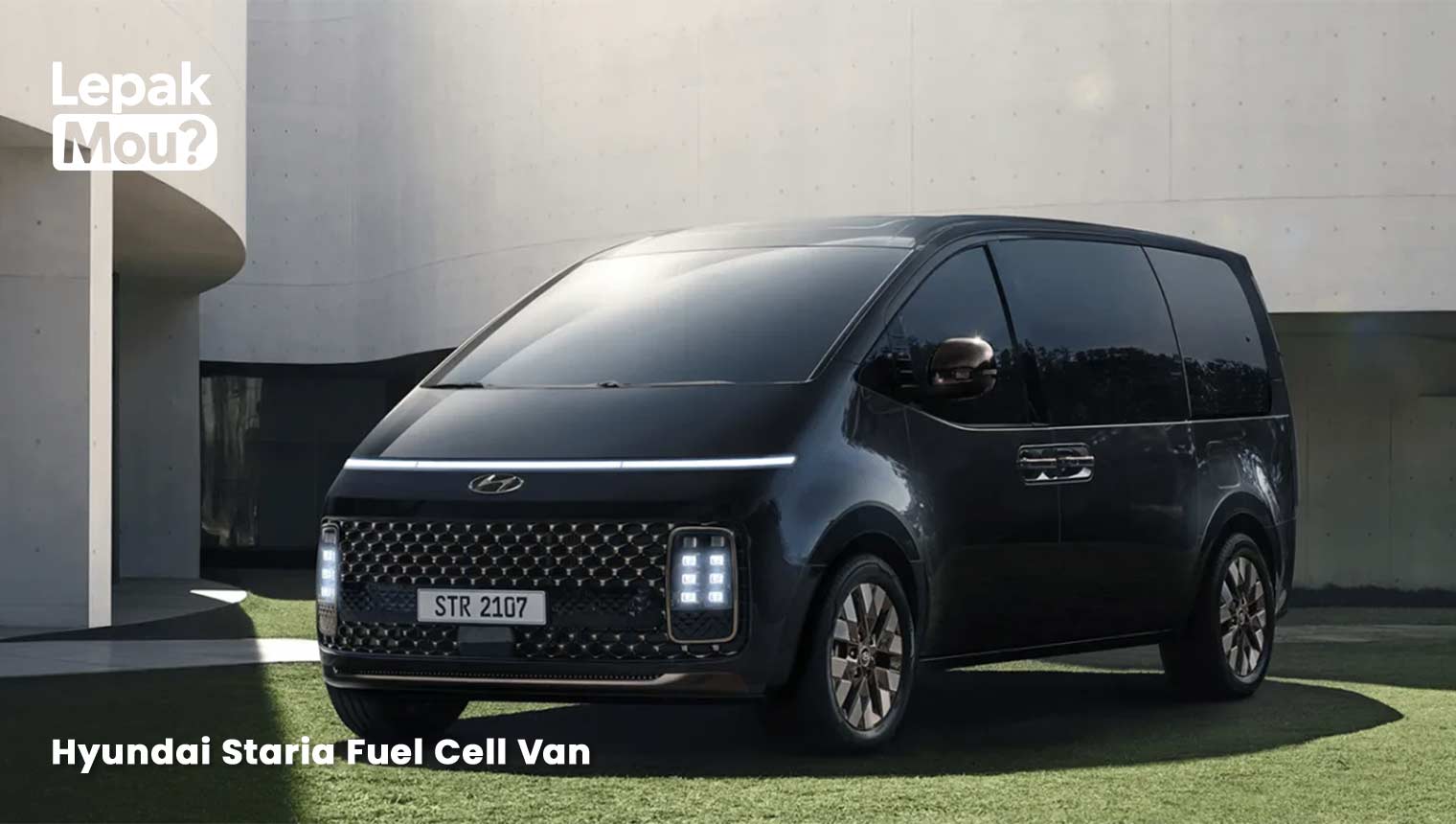
Hydrogen isn’t just for private cars. Hyundai’s Staria Fuel Cell Van targets businesses and fleets that need low-emission transport. It’s perfect for delivery, logistics, or shuttle use in cities.
| Specification | Details |
| Type | Commercial Van |
| Range | 450–480 km |
| Refueling Time | 5 minutes |
| Power Output | 163 hp |
| Top Speed | 160 km/h |
| Country of Origin | South Korea |
| Status | Commercial testing |
7. Ineos Grenadier FCEV

The Ineos Grenadier FCEV brings hydrogen power to the rugged off-road segment. Unveiled in late 2024, this demonstrator is based on the capable Grenadier 4×4 and showcases how fuel cell technology can deliver zero-emission driving even in demanding conditions. Ineos — one of Europe’s largest hydrogen producers — has the expertise and financial backing to bring this vehicle to market. While still in development, the Grenadier FCEV represents hydrogen’s potential beyond city streets and highways, proving that clean technology can tackle the toughest terrain.
| Specification | Details |
|---|---|
| Type | Off-Road SUV |
| Range | ~500 km (estimated) |
| Refueling Time | 5 minutes |
| Power Output | ~250 hp (estimated) |
| Top Speed | 160 km/h |
| Country of Origin | UK |
| Status | Demonstrator / Development |
8. Riversimple Rasa
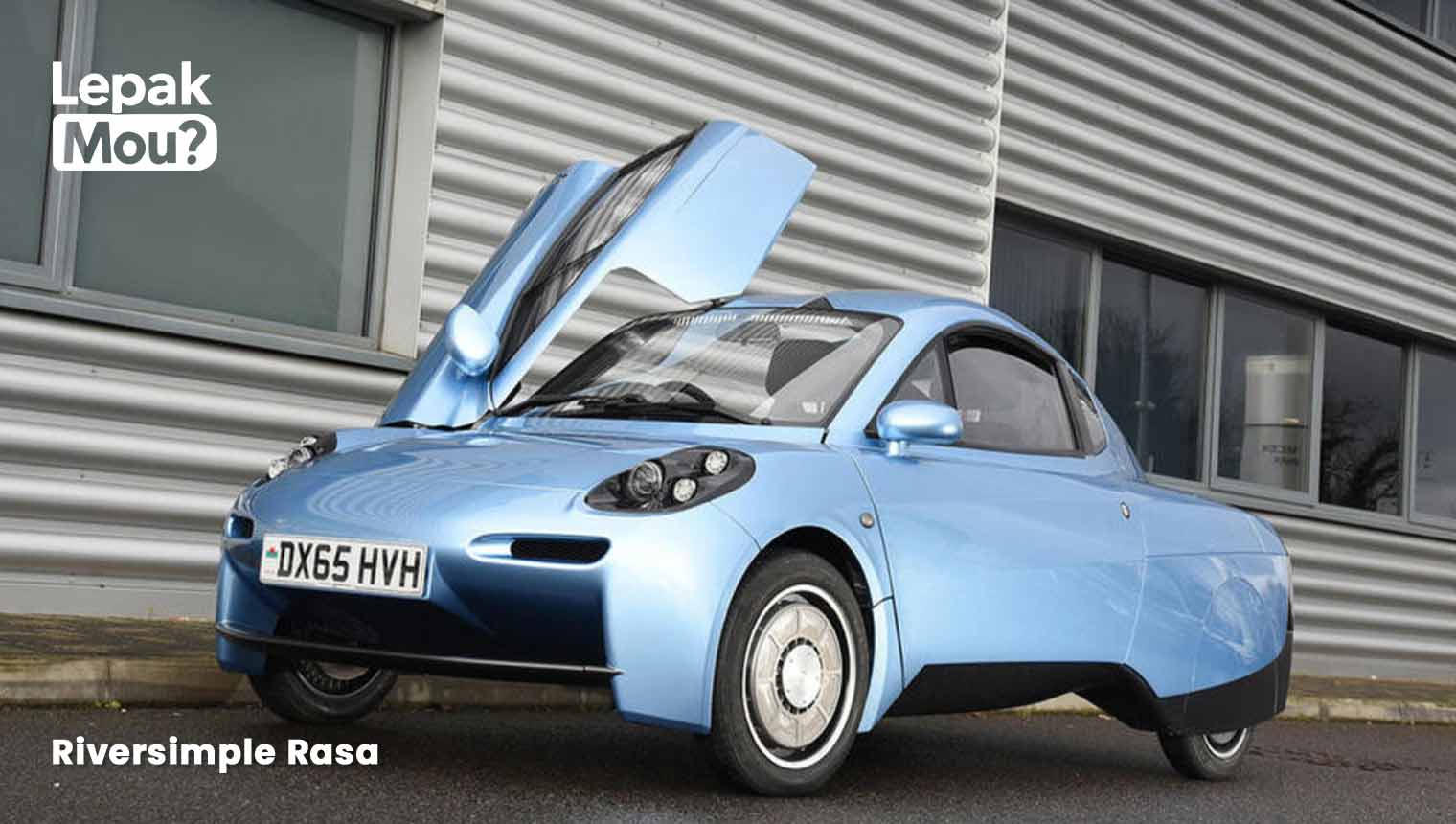
Lightweight and eco-friendly, the Riversimple Rasa is built for efficiency, not speed. It’s ideal for short commutes and urban mobility, proving that hydrogen cars don’t have to be expensive.
| Specification | Details |
| Type | Compact Coupe |
| Range | 480 km |
| Refueling Time | 5 minutes |
| Power Output | 37 kW (~50 hp) |
| Top Speed | 100 km/h |
| Country of Origin | UK |
| Status | Pilot program |
9. NamX HUV
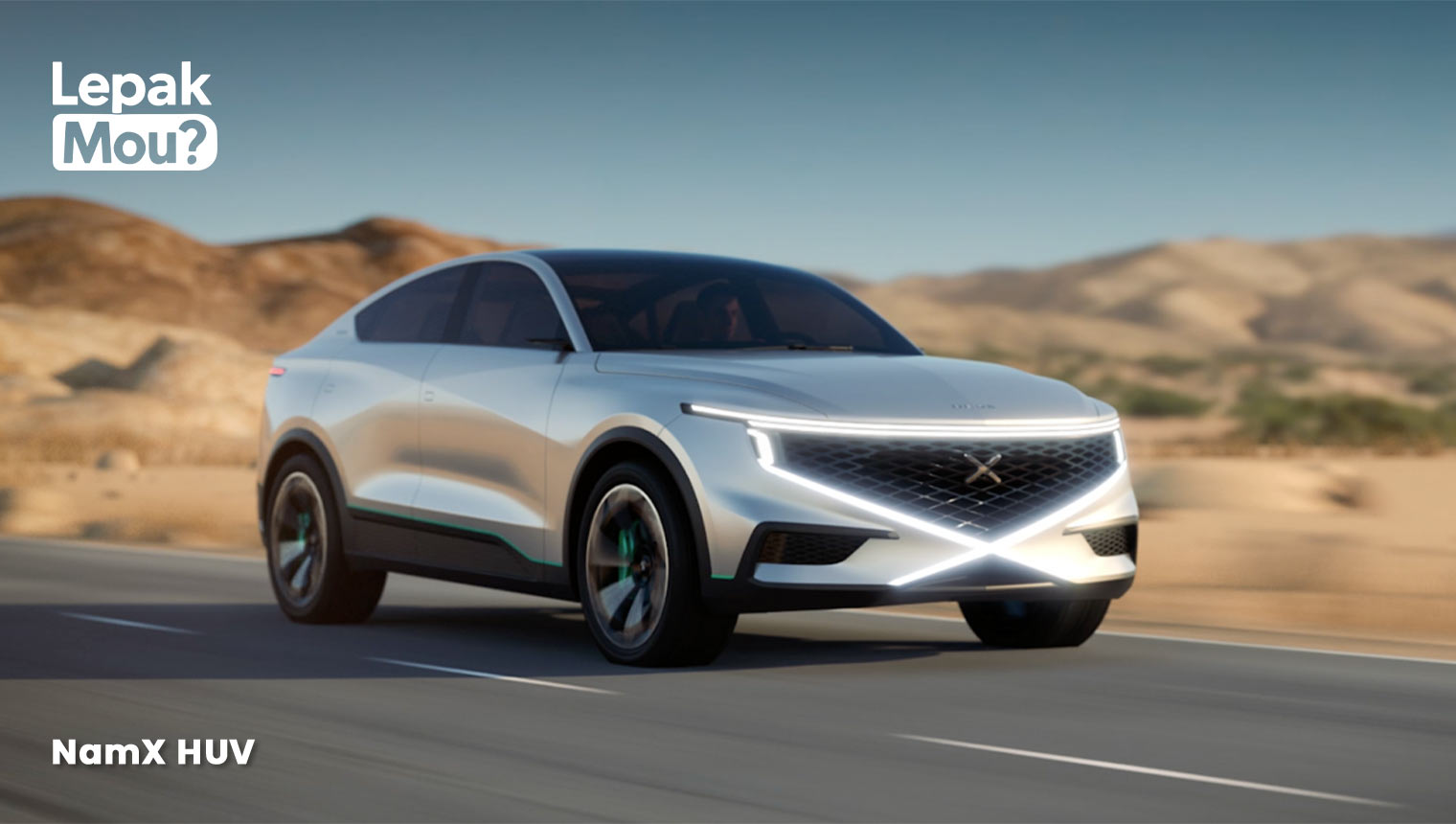
The NamX HUV introduces a bold concept — six removable hydrogen capsules that can be swapped in minutes. It’s part of a push to make hydrogen fueling more flexible and accessible.
| Specification | Details |
| Type | SUV |
| Range | ~700 km |
| Refueling/Swap Time | 5 minutes (capsule system) |
| Power Output | 550 hp (estimated) |
| Top Speed | 250 km/h |
| Country of Origin | Africa / France |
| Status | Prototype |
10. Gaussin H2 Racing Truck

The Gaussin H2 Racing Truck isn’t for everyday use, but it’s proof hydrogen can handle heavy-duty performance. Built for endurance rallies like Dakar, it’s changing how we think about hydrogen power in motorsports.
| Specification | Details |
| Type | Heavy-Duty Truck |
| Range | N/A |
| Refueling Time | ~10 minutes |
| Power Output | 816 hp |
| Top Speed | 140 km/h |
| Country of Origin | France |
| Status | Motorsport prototype |
Quick Comparison: Our Top 5 Hydrogen Cars
| Model | Type | Range (km) | Refueling Time | Country | Status |
|---|---|---|---|---|---|
| Toyota Mirai | Sedan | 647 | 5 min | Japan | Production |
| Hyundai Nexo | SUV | 666 | 5 min | South Korea | Production (2026 redesign) |
| Honda CR-V e:FCEV | SUV | 600 | 6 min | Japan | Limited rollout |
| BMW iX5 Hydrogen | SUV | 504 | 3-4 min | Germany | Production from 2028 |
| Toyota Crown FCEV | Sedan | 820 | 3 min | Japan | Production (Japan only) |
You can find detailed specs for all 10 models in the sections above.
Hydrogen Cars vs Electric Cars
Hydrogen cars often get compared to EVs, but the two aren’t really fighting for the same crowd. Electric cars make sense for city life and short commutes, where you can charge at home overnight. Hydrogen cars are better for long-distance drivers or people who don’t want to wait hours to recharge.
The biggest issue for hydrogen is still cost and access. Stations are expensive to build, and producing hydrogen cleanly is tricky. But as renewable energy gets cheaper, hydrogen will get greener too.
Many experts see both technologies coexisting rather than competing — battery EVs for everyday use, hydrogen for heavy travel or commercial work.
How Hydrogen Is Growing in 2025
Japan and South Korea continue to lead, each running hundreds of hydrogen refueling stations. Europe is catching up fast, with Germany and France investing heavily in public networks.
Here in Southeast Asia, things are starting to move. Malaysia has pilot projects through Petronas and the government’s energy roadmap. Singapore is testing hydrogen buses, and Indonesia is studying how to integrate hydrogen into its renewable mix.
Globally, analysts expect more than a million hydrogen cars on the road by 2030 if current trends continue. That’s a small number compared to EVs, but still a massive leap from where we were just five years ago.
Pros and Cons of Hydrogen Cars
| Pros | Cons |
| Refueling takes only five minutes | Limited fueling stations |
| Long range — often 600 km or more | High vehicle and fuel cost |
| No emissions — just water vapor | Hydrogen production still energy-intensive |
| Smooth, silent driving experience |
Check this out for a more detailed read on Pros and Cons of Hydrogen Fuel Cell Cars.
Conclusion
Hydrogen cars may not be mainstream yet, but they’re getting closer every year. The best hydrogen cars in 2025 show what’s possible: quiet power, clean energy, and long-range driving without compromise.
Toyota and Hyundai still lead the way, but BMW, Honda, and even smaller names like Riversimple are helping shape what could be the next era of clean mobility.
It’s not about replacing electric cars; it’s about having more ways to drive clean. Hydrogen cars add another path forward — one that’s fast, efficient, and surprisingly practical once the infrastructure catches up.
So, if you’re curious about the future of driving, keep an eye on hydrogen. It’s the kind of technology that starts slow and then suddenly changes everything.