
10 Best Dating Apps in Singapore 2026 (Costs Compared)
Dating apps in Singapore have one structural problem nobody likes to say out loud: the island is small, the pool is finite, and if you swipe hard enough for long enough, you will start seeing the same faces again. That is why half the conversation online is not about which is the best dating app Singapore has, but whether any of them are still worth the money.
This guide ranks all ten seriously used options here, puts an honest S$ price range next to each one, and separates the apps worth paying for from the ones where the free tier is already enough. We also give a proper section to dating app fatigue instead of burying it at the bottom, because for a lot of readers that is the actual question.
TL;DR: The Best Dating App in Singapore for Every Type of Single
Short on time? Here is the verdict block. Full pricing is in the price comparison table further down.
| Category | Pick | Why | Starts from |
|---|---|---|---|
| Best overall | Bumble | Deep local pool, women message first, fewer junk profiles | Free |
| Best for serious relationships | Hinge | Prompts force an actual conversation, not just a photo swipe | Free |
| Best free dating app Singapore | Bumble | Most usable free tier of the big three | Free |
| Biggest pool | Tinder | Most users here, also the most noise | Free |
| Best for expats and new arrivals | Bumble / Hinge | Strongest expat presence in CBD and central districts | Free |
| Best for 35+ and time-poor | Lunch Actually | Human matchmaker filters for intent before you meet | Four figures, on consultation |
| Best if you hate swiping | Coffee Meets Bagel | A handful of curated matches a day, not a slot machine | Free |
| Best local option | Lunch Actually / GaiGai events | Singapore-built, offline-first | From about S$100 per event |
| Best for Muslim singles | Muzz | Marriage intent built in, chaperone and wali features | Free |
| Best for LGBTQ+ singles | Grindr / HER | Largest dedicated communities here | Free |
How We Ranked These Dating Apps (2026 Methodology)
Being upfront about this matters more than a fake hands-on claim. This is an editorial ranking, not a lab test. It is built from three inputs: each app’s own published feature set and pricing pages, the public download and usage rankings on the Apple App Store and Google Play in the Singapore storefront, and the sentiment Singapore users consistently share in local communities like r/askSingapore and local lifestyle forums.
We scored each app on five things:
- Local pool depth. An app can be huge globally and dead in Singapore. Only local activity counts here.
- Intent signal. How quickly you can tell whether someone wants a relationship, something casual, or just validation.
- Free tier usability. Can you realistically match and talk without paying, or is the free version a demo?
- Value for money. What the paid tier actually unlocks versus what it costs in S$ per month.
- Safety and verification. Photo or ID verification, in-app reporting, and how easy it is to block and move on.
The limits are worth stating too. Match rates are intensely personal, algorithms treat every profile differently, and app pricing here changes without notice and often differs between iOS and Android. Treat every price below as a working range, not a quote. No app or agency on this list paid to be included.
Singapore Dating App Prices Compared (2026)
This is the table nobody else in the search results bothers to build, and it is usually the deciding factor. Subscription pricing on dating apps is dynamic. It varies by age bracket, platform, promotion and how long you have been inactive, so the figures below are typical Singapore ranges commonly reported at the time of writing rather than fixed prices. Always check the actual number shown in your own app before you tap subscribe.
| App | Free tier limit | Premium (1-month) | Premium (6-month, per month) | Top tier | Boost / Super Like |
|---|---|---|---|---|---|
| Bumble | Unlimited swipes, 24h match timer | Around S$35 to S$45 | Around S$15 to S$22 | Premium+ | Boost packs from about S$7 |
| Tinder | Limited daily likes, 1 free Super Like | Plus from about S$15, Gold from about S$25 | Around S$10 to S$18 | Platinum, around S$35 to S$45 | Boost from about S$8 |
| Hinge | 8 likes a day | Hinge+ around S$35 to S$45 | Around S$18 to S$25 | HingeX, around S$50 to S$65 | Roses sold in packs, from about S$6 |
| Coffee Meets Bagel | Curated daily matches, limited beans | Around S$35 to S$45 | Around S$18 to S$25 | Premium annual | Beans bundles from about S$8 |
| OkCupid | Full questionnaire, limited likes | A-List from about S$15 to S$25 | Around S$10 to S$18 | A-List Premium | Boost from about S$8 |
| Happn | 10 “hellos” a day | Around S$20 to S$30 | Around S$10 to S$18 | Premium annual | Charms and Flashnotes from about S$5 |
| Muzz | Full messaging with limits | Gold from about S$15 to S$25 | Around S$10 to S$15 | Gold annual | Boost from about S$6 |
| Grindr | Grid browsing, limited filters | XTRA from about S$20 to S$30 | Around S$12 to S$20 | Unlimited, higher bracket | Boost from about S$6 |
| Paktor | Swipe and match | Reported around S$15 to S$25 | Varies | VIP | Not clearly published |
| Sugarbook | Browse only for most users | Well above mainstream app pricing | Varies | Diamond tiers | Not applicable |
| Lunch Actually | Not an app, no free tier | Packages quoted on consultation, commonly reported in the low four figures and rising into five figures for larger date counts | |||
| Esync | Not an app, no free tier | Packages quoted on consultation, similar bracket to other Singapore matchmaking agencies | |||
What is actually worth paying for: the single highest-value upgrade on any of these apps is unlimited likes on Hinge or Bumble, because the free caps are the real bottleneck. Boosts and Super Likes are the weakest value. They buy visibility for a few minutes, not intent. If you are going to spend, spend on one app for three months rather than the entry tier of four apps for one month each.
Dating App Fatigue in Singapore: Why Everyone’s Sian, and How to Fix It
Dating app fatigue is the number one thing Singapore singles actually talk about online, and it has a structural cause rather than a personal one. Singapore has roughly six million people on 735 square kilometres. Filter by age band, relationship intent, language, religion and location, and the realistic pool for any given user shrinks to a few thousand profiles. Heavy users exhaust that in weeks. Then the recycling starts, the same profiles come around again, and motivation dies.
The themes that come up again and again in local threads are consistent: matches that never reply, conversations that stall at “hey, how’s your week”, and the exhausting feeling of performing a personality for strangers after a full workday. Singapore’s long working hours make it worse. By the time you finish a 7pm dinner at your desk, nobody has the energy to be charming over text. The national picture supports the frustration too. Singapore’s Department of Statistics has tracked a long-term rise in the proportion of singles across the prime marrying age bands, so the pool is real, it is just not efficiently connected.
Five fixes that actually work better than downloading an eleventh app:
- One app, 90 days. Running four apps at once quadruples the admin and does not quadruple the dates. Pick one, pay for it if needed, commit for a quarter.
- Cap your swipes. Fifteen considered likes a day beats 300 mindless ones. The app rewards selectivity anyway.
- Book the meet within seven days. Texting for three weeks before meeting is the single biggest cause of burnout. Coffee, one hour, done.
- Take a two-week app fast every quarter. Delete the app, not the account. Come back when you have something new to say.
- Go offline for a cycle. Interest-based activities beat swiping for people who are already tired of swiping.
For the offline route, the Social Development Network under MSF supports and lists singles events, workshops and interest-based programmes run by accredited partners, and prices usually sit between S$20 and S$100 per session. Climbing gyms and board game cafés also work well because there is a built-in activity to talk about. Boulder+ at Aperia Mall (12 Kallang Avenue, #02-16, Singapore 339511) charges roughly S$28 to S$35 for a day pass with shoe rental and typically runs from mid-morning until late, and it is a two-minute walk from Lavender MRT. Board game cafés like Mind Cafe run around S$10 to S$15 per person for a few hours, with outlets in the Bugis and Prinsep Street area, and current outlets and hours are best checked on Maps before heading down.
1. Bumble
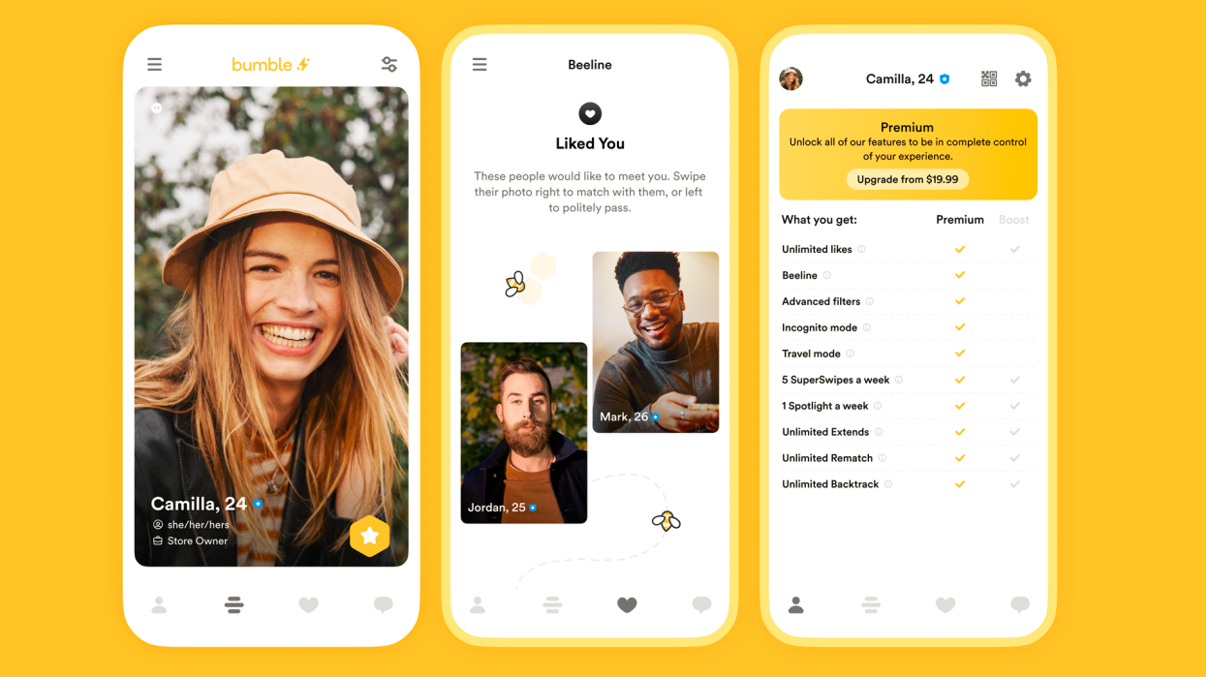
Bumble is our overall pick for Singapore in 2026 because it solves the problem most people complain about, which is inbox quality. Women message first within 24 hours of matching, and that one rule quietly filters out the copy-paste openers that clog Tinder. In the Singapore App Store dating charts, Bumble and Tinder have traded the top spot repeatedly over the past two years, with Bumble widely reported to have pulled ahead locally.
The local pool skews slightly older and more professional than Tinder, with heavy density in the CBD, Tanjong Pagar, River Valley and the East Coast stretch. It has a strong expat presence, which cuts both ways depending on whether you want someone who will still be here in three years. Bumble’s photo verification is one of the better implementations here, and verified badges are common enough that an unverified profile starts to look like a choice.
The 24-hour timer is the main friction point. Shift workers, nurses, pilots and anyone doing overseas travel lose matches simply because they were asleep. Bumble Premium lets you extend matches indefinitely and rematch expired ones, which is genuinely the feature most worth paying for on this app.
| Pros | Cons |
|---|---|
| Cleaner inboxes, far fewer low-effort openers | 24-hour timer punishes irregular schedules |
| Strong photo verification adoption locally | Premium is one of the pricier subscriptions here |
| Decent free tier, unlimited swipes | BFF and Bizz modes have thin Singapore pools |
Skip it if you want volume and speed. Bumble rewards patience and a good profile, not a fast finger. Official site: bumble.com.
2. Tinder
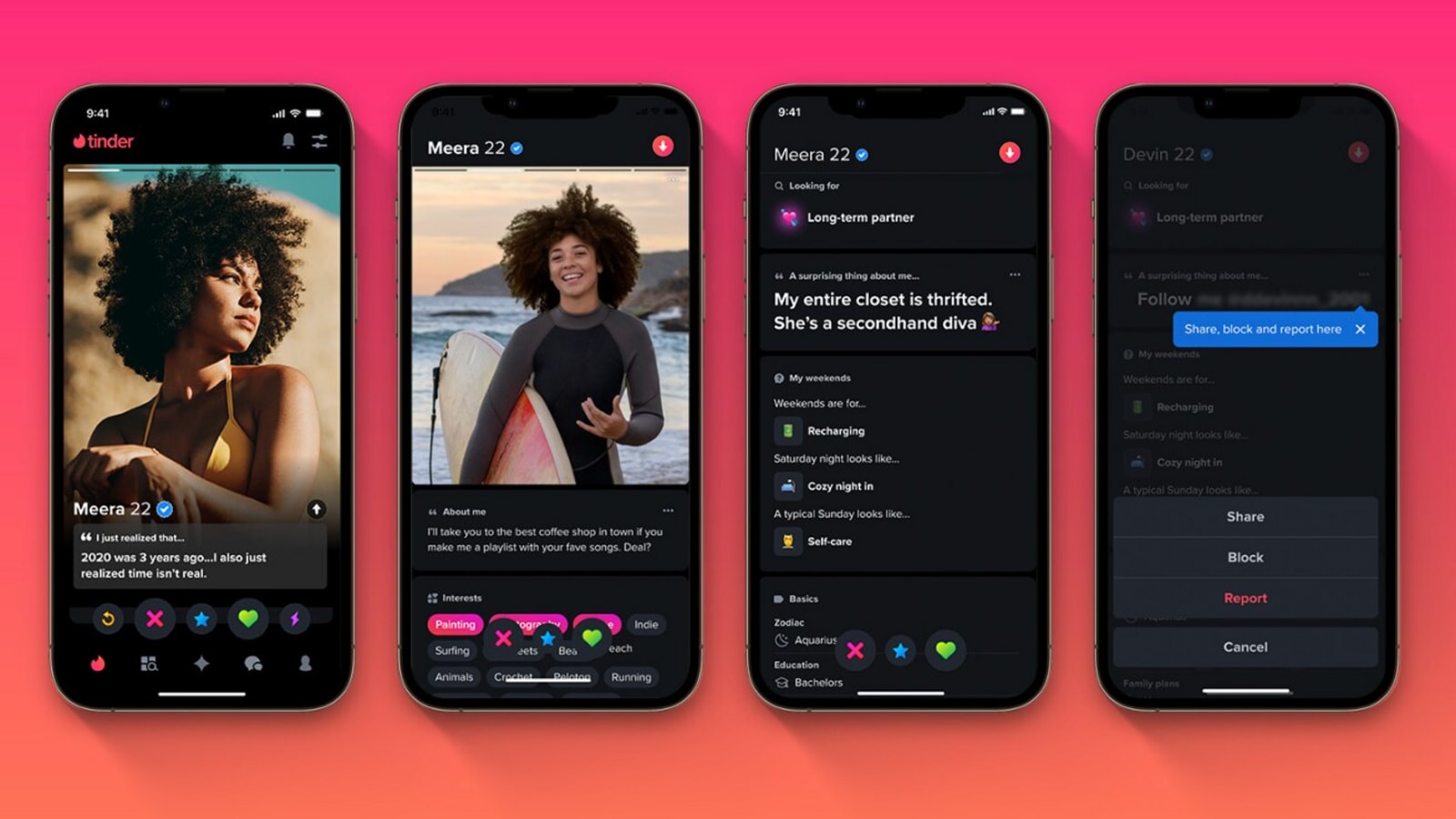
Tinder still has the largest raw user base in Singapore, and that is both its case and its problem. If you are new to the island, newly single, or living outside the central districts, Tinder is the only app where you will reliably see hundreds of profiles within a 10km radius. Tampines, Jurong East, Woodlands and Punggol users consistently report better supply here than on Hinge.
The trade-off is signal-to-noise. A meaningful slice of the grid is tourists on Passport, accounts promoting other platforms, and profiles that have not opened the app in months. Tinder’s Relationship Goals field helps a little, letting people declare whether they want long-term or something casual, but people fill it in aspirationally, so treat it as a hint rather than a filter.
Free likes run out fast, usually within a single evening session, which is the whole business model. Tinder Gold adds unlimited likes plus seeing who liked you, and for most users that is the only tier worth considering. Platinum’s message-before-matching feature rarely justifies the extra spend locally.
| Pros | Cons |
|---|---|
| Biggest pool island-wide, including the heartlands | High proportion of inactive and promo accounts |
| Cheapest entry tier of the big three | Free likes exhaust in one sitting |
| Fast, low-commitment interface | Reply rates are the lowest of the major apps |
Skip it if you are looking for a long-term relationship and have limited patience for screening. Official site: tinder.com.
3. Hinge
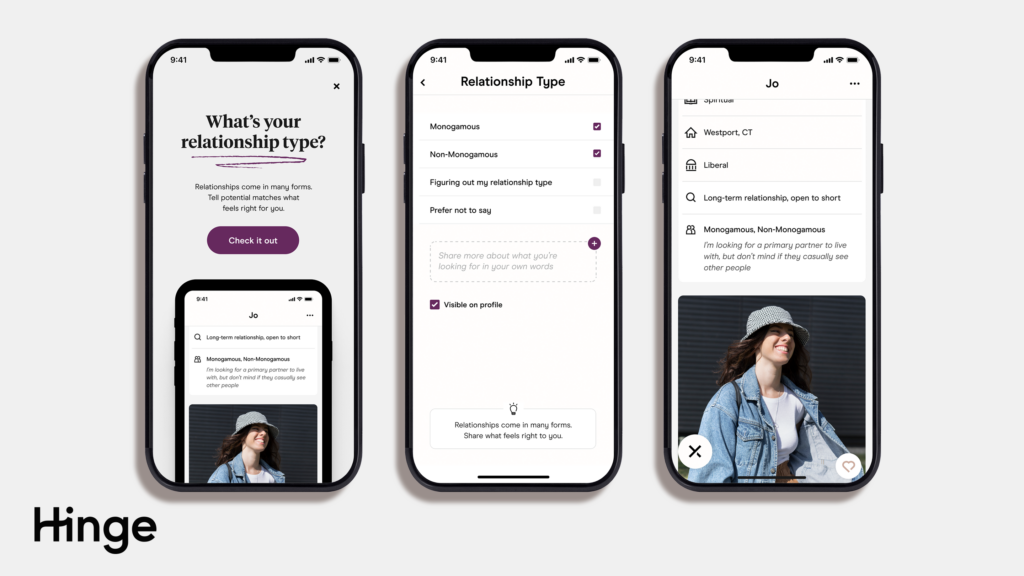
Hinge is the best dating app in Singapore for people who actually want a relationship, and the reason is mechanical rather than romantic. You cannot swipe. You have to like or comment on a specific photo or prompt answer, which means every match arrives with a conversation already started. That single design choice produces noticeably better opening messages than anything else on this list.
Prompts are where Singapore users win or lose. “My simple pleasures: kopi C kosong and the 7am Botanic Gardens loop before the crowd” gives someone three things to reply to. “I’m a chill guy who likes food and travelling” gives them nothing. Prompts that reference a specific hawker order, a running route, or a weekend lepak spot get replies because they are answerable.
The Singapore pool skews 25 to 38, urban, degree-holding, and heavily concentrated in the central and central-east districts. It is smaller than Tinder’s, so users in the far north and west will run through quality profiles faster. The free tier caps you at eight likes a day, which is restrictive but arguably healthy.
Hinge vs Bumble is the comparison most people are really running. Hinge wins on conversation quality and stated relationship intent. Bumble wins on control, safety filtering and pool size outside the central districts. If you are a woman who is tired of unsolicited openers, Bumble. If you are tired of matches that go nowhere, Hinge.
| Pros | Cons |
|---|---|
| Best opening-conversation quality of any app here | Eight free likes a day is a hard ceiling |
| Clear relationship-intent signalling | Thinner pool outside central Singapore |
| Prompt format rewards effort over looks | HingeX is expensive for what it adds |
Skip it if you want match volume. Hinge is a slow app by design. Official site: hinge.co.
4. Coffee Meets Bagel
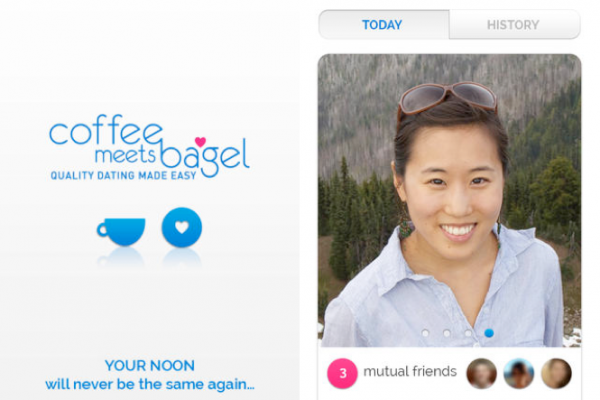
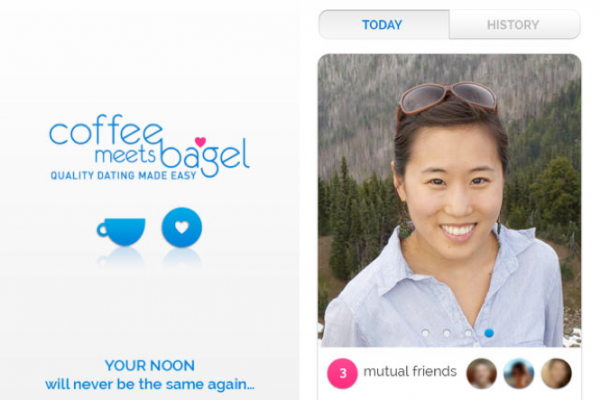
Coffee Meets Bagel is the anti-swipe app: it serves a small number of curated matches each day rather than an infinite grid. For anyone already sian of the slot-machine feeling, that structure is a genuine relief, and it has a loyal following in Singapore among users in their late twenties and thirties who want quality over volume.
The honest caveat is supply. A curation model needs a large pool to draw from, and Singapore is not large. Longer-term users regularly report that the daily picks thin out after a few months, with repeats appearing. The bean currency system also feels dated next to Hinge’s cleaner model, and buying beans to unlock extra profiles chips away at the “we curate for you” premise.
Where it earns its place is intent. People on CMB generally are not there to collect matches, and the app’s own positioning around serious dating attracts a self-selecting crowd. Reply rates tend to be higher than Tinder even with a fraction of the matches.
| Pros | Cons |
|---|---|
| Low-volume format reduces burnout | Match supply dries up for heavy users |
| Higher reply rate per match | Bean currency feels like a second paywall |
| Skews toward relationship intent | Smaller pool than the big three |
Skip it if you live outside the central region and need volume. Official site: coffeemeetsbagel.com.
5. OkCupid
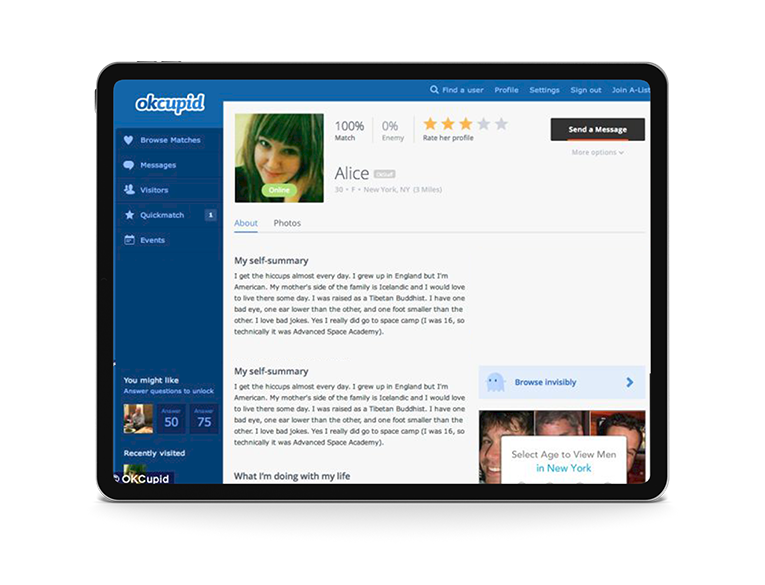
OkCupid is the compatibility nerd’s app. You answer as many questions as you have patience for, covering everything from whether you want children to how you feel about politics and religion, and it generates a match percentage. For people whose deal-breakers are values rather than photos, that is genuinely useful, and it surfaces incompatibility before the first date rather than after it.
The problem in Singapore is scale. The local pool is visibly thinner than Bumble, Tinder or Hinge, so you can have a 95 percent compatibility score with someone and still run out of profiles in a week. It works better as a secondary app than a primary one.
Use it if you have hard deal-breakers you want filtered upfront. Skip it if you need daily new profiles. Official site: okcupid.com.
6. Paktor
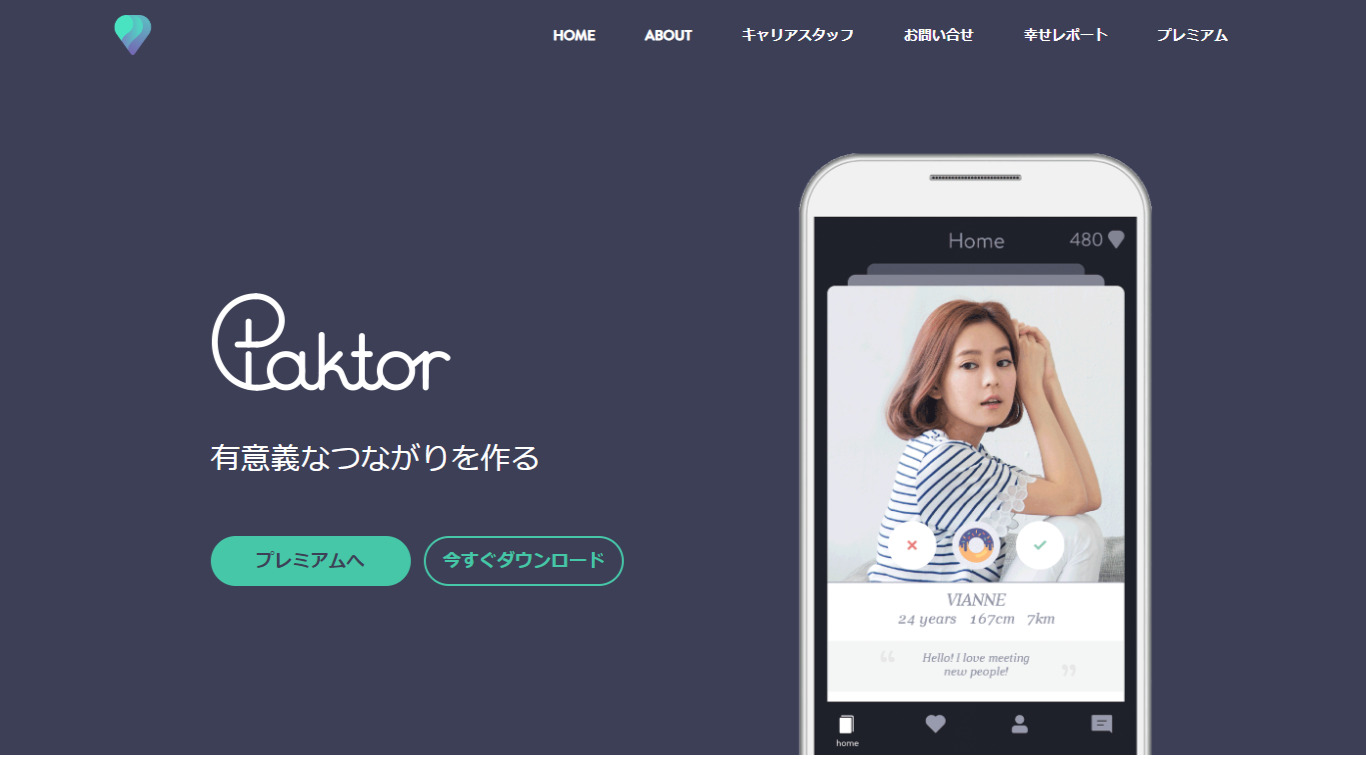
Paktor was the homegrown success story, a Singapore-built dating app that scaled across Southeast Asia in the mid-2010s and became the local answer to Tinder. Its company has since been corporately linked with the Lunch Actually Group, with the offline matchmaking and online app businesses reported to sit under related ownership, and the app’s consumer profile here is a long way from its peak.
That is the important, practical point for readers. Before you invest time building a Paktor profile in 2026, open the app and check whether you are seeing recently active users in your area, not just profiles with old photos. A dormant pool is worse than no app, because you will spend a week wondering why nobody is replying.
Use it if you want a Southeast Asia-wide pool and are curious about the local option. Otherwise, put that time into Bumble or Hinge, and if you specifically want a Singapore company handling your dating life, go to Lunch Actually instead.
7. Lunch Actually
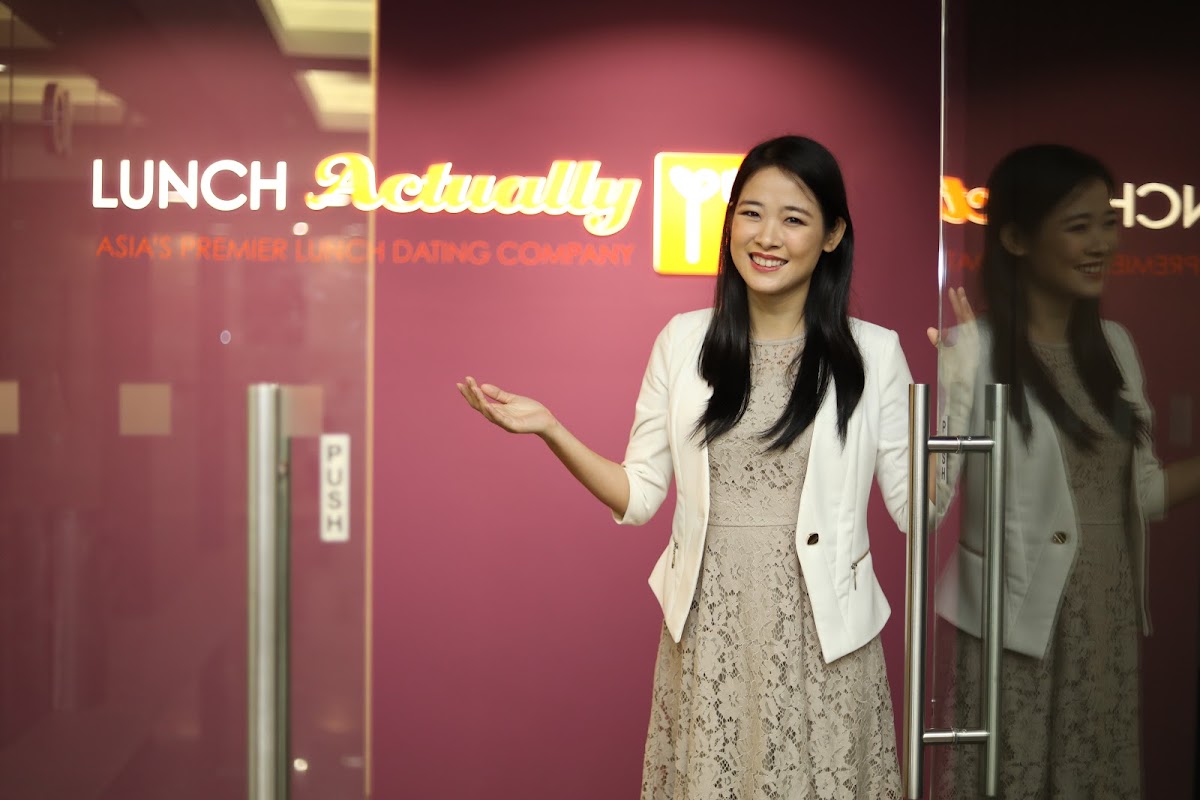
Lunch Actually is not an app, and that distinction changes the entire cost conversation. It is a Singapore-founded matchmaking agency that runs a consultation, profiles you properly, then arranges curated one-on-one dates, traditionally over lunch, with someone a human has decided is a fit. You never swipe. You never write a prompt. You show up.
Pricing is quoted on consultation and is not published as a fixed menu, which is standard for the industry. Packages are commonly reported to start in the low four figures for a small number of guaranteed dates and rise into five figures for premium, longer-running arrangements. Do the maths honestly: a year of Hinge+ at roughly S$20 a month is around S$240, while a matchmaking package is several thousand. What you are buying is not more dates, it is fewer bad ones and zero screening effort.
That trade makes sense for a specific reader: a professional in their mid-thirties or forties, working long hours, done with apps, with more money than free evenings. It makes no sense for a 26-year-old who has not yet optimised their photos.
Practical details: consultations are by appointment at their Singapore office, bookable through lunchactually.com, with the head office in the Paya Lebar area. Find the current location and contact details via Lunch Actually on Google Maps. Their GaiGai events arm also runs speed dating and group activities at roughly S$80 to S$150 per event, which is a far cheaper way to test whether the offline route suits you.
8. Sugarbook
Sugarbook is listed here for completeness rather than as a recommendation. It is a Malaysia-founded platform built around “sugar dating”, where arrangements between older, wealthier members and younger members are explicitly transactional. Lepakmou does not endorse transactional arrangements, and this entry sits near the bottom of the ranking for that reason.
The regulatory history is worth knowing. The platform was blocked by Malaysian authorities in 2021 and its founder was investigated there, which was widely reported at the time. It continues to operate in the region, but the model attracts a specific set of risks: fabricated wealth claims, blackmail and sextortion attempts, screenshot-based extortion, and members who conceal the transactional expectation until you are already invested. Premium membership is also priced well above any mainstream dating app.
If you are considering it, understand the law that applies to you and the difference between companionship and anything that could be construed otherwise under Singapore law. Nothing in this article is legal advice.
9. Esync
Esync is the other main personalised matchmaking option in Singapore, sitting in the same bracket as Lunch Actually. The model is human-led: a consultant profiles you across personality, lifestyle and relationship goals, then hand-matches rather than algorithm-matches. Some programmes also include coaching, image consulting and post-date feedback, which is the part apps cannot replicate.
Packages are quoted on consultation and land in a similar four to five figure range as the rest of the agency market. Choosing between the two usually comes down to fit with your consultant more than brand, so take the free consultation at both before committing to either.
Practical details: consultations are by appointment, bookable at esync.com.sg, with the office located centrally in Singapore. Check the current address and opening hours via Esync on Google Maps. Skip it if the same budget would be better spent on a year of premium apps plus twenty actual first dates.
10. Happn
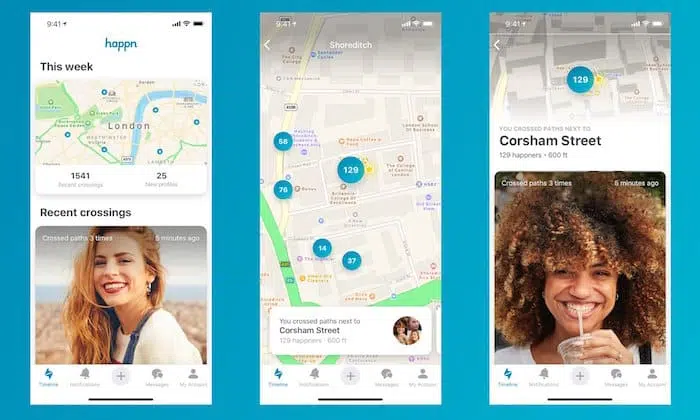
Happn’s premise fits Singapore better than almost anywhere on earth. It shows you people whose paths you have physically crossed, and in a city where everyone funnels through the same MRT interchanges, the same Raffles Place lunch queues and the same three malls on a Saturday, crossed paths happen constantly. CBD users in particular see a surprising number of matches.
The catch is the local user base, which is small compared to the big three. Outside the CBD and central districts, the same profiles recycle quickly, and users in Tampines, Woodlands or Jurong will run dry within a couple of weeks. There is also a privacy consideration worth thinking through. The app works by logging where you have been, so review the location permissions and be deliberate about how precisely you are being tracked.
Use it if you work in the CBD and like the idea of a real-world coincidence. Skip it if you live and work outside the central region. Official site: happn.com.
Honourable Mentions: Muzz, Grindr, HER, Kopi Date and SDN Events
The top ten does not cover everyone, and these five fill real gaps.
- Muzz is the clear pick for Muslim singles looking for marriage rather than dating. It includes wali and chaperone options, a strong verification culture, and a Singapore and Malaysia user base large enough to be viable. Free to use, with Gold from roughly S$15 a month. See muzz.com.
- Grindr remains the largest platform for gay, bi and queer men in Singapore, particularly dense around the CBD and central districts. Free tier is fully usable, XTRA from roughly S$20 a month.
- HER is the main app for queer women and non-binary people here. The Singapore pool is small, so most users treat it as community-plus-dating rather than a volume app. Free to use.
- Kopi Date and similar curated date services arrange the meeting for you, usually over coffee, with no swiping and no profile browsing. Sessions typically run in the S$50 to S$150 range depending on format. A good middle ground between apps and a four-figure matchmaker.
- SDN-supported singles events cover speed dating, cooking classes, hikes and workshops run by accredited partners, generally S$20 to S$100 per session. Browse the current calendar at sdn.gov.sg.
Free vs Paid: Is a Dating App Subscription Worth It in Singapore?
Short answer: for most people, yes, but only on one app and only after your profile is fixed. Paying to boost a weak profile is the most common money-wasting mistake in Singapore dating.
Here is what you genuinely lose on free tiers. Hinge caps you at eight likes a day, which is the harshest limit of the major apps. Tinder’s free like allowance disappears in one sitting. Bumble’s free tier is the most generous but strips out the rematch and extend features that fix its own 24-hour timer. Across all three, you cannot see who already liked you, which is the feature that actually saves time because it converts guessing into responding.
Now the cost comparison that matters:
| Spending option | 12-month cost (S$) | What it realistically buys |
|---|---|---|
| One premium app, 6-month plan renewed twice | Roughly S$150 to S$300 | Unlimited likes, see who liked you, better filtering. Screening effort is all yours. |
| Two apps on 1-month plans | Roughly S$700 to S$1,000 | More admin, duplicated pool, rarely more dates. The worst-value option here. |
| Matchmaking package | Low four figures and up | A set number of pre-screened dates with intent confirmed. Zero swiping. |
| Offline events, one a month | Roughly S$400 to S$900 | Twelve real-world evenings, no texting stage, plus a social life either way. |
Our verdict: fix your photos first, then buy a six-month plan on the one app that suits your goal, and treat everything else as optional. Boosts and Super Likes are the least defensible spend on this entire page.
How to Build a Singapore Dating Profile That Actually Gets Matches
Profile quality moves match rates more than app choice does. Eight rules that apply specifically here:
- Lead with a clear, solo, well-lit face photo. Not a group shot at a wedding, not sunglasses, not a mask-era throwback.
- Include one full-body photo. Leaving it out reads as hiding something, fairly or not.
- Skip the Marina Bay Sands infinity pool shot. Everyone has it. Same for the Gardens by the Bay Supertrees and the Jewel rain vortex. They say nothing about you.
- No gym mirror selfie as photo one. Fine as photo four if it is actually you doing something.
- One activity photo. Climbing, running, diving, cooking, playing in a band. It gives people an opening line.
- Answer prompts with specifics, not adjectives. “Best kopitiam order: teh C siew dai and a soft-boiled egg, no negotiation” beats “I love food”.
- Kill the clichés. “Looking for a partner in crime”, “fluent in sarcasm”, “ask me anything”, and “just here to see what happens” all lower reply rates because they give nothing to respond to.
- Write for both local and expat readers. Singlish is charming and adds personality, but if your whole bio is inside jokes, half your potential matches will scroll past. One line of flavour, the rest in plain English.
Before and after, in practice. Before: “Love travelling and trying new food.” After: “Currently working through the Michelin Bib list one hawker centre at a time. Two down, a lot to go. Tell me where I should eat next.” The second version is answerable, and answerable is the whole game.
Dating App Safety in Singapore: Scams, Verification and First-Date Rules
Romance and love scams are one of the most persistent scam categories reported in Singapore, and dating apps are a primary channel. Safety is not paranoia here, it is basic hygiene.
| App | Photo / ID verification | In-app reporting | Safety verdict |
|---|---|---|---|
| Bumble | Photo verification, widely adopted | Yes, plus block and unmatch | Strongest of the mainstream apps |
| Tinder | Photo verification available | Yes | Good tools, more unverified profiles in the pool |
| Hinge | Selfie verification | Yes, with reason tagging | Solid, smaller and better-behaved pool |
| Coffee Meets Bagel | Photo verification | Yes | Low-volume model reduces exposure |
| Happn | Photo verification | Yes | Review location permissions carefully |
Red flags that should end a conversation:
- They refuse a video call, always with a reason. This is the single strongest signal.
- They push you to WhatsApp or Telegram within the first few messages, before the app has any record of them.
- Rapid declarations of affection, sometimes within days, often with copy-paste phrasing.
- Any mention of crypto, gold, forex, a “platform” or an investment opportunity. This is the classic pig-butchering pattern.
- Requests for money for a medical emergency, customs charges, a frozen account, or a plane ticket to come see you.
- Photos that reverse-image-search to someone else, or a profile with only professional-looking shots.
If something feels wrong, report inside the app first, then block. For anything involving money or coercion, report it externally. ScamShield lets you check and report suspicious numbers and messages, Scam Alert by the National Crime Prevention Council maintains current scam advisories and a helpline, and the Singapore Police Force operates the anti-scam helpline on 1800-722-6688, with police reports fileable online via the SPF website.
Five first-date habits, non-negotiable:
- Meet in a public, MRT-accessible place. Never a home, never a car pickup.
- Tell a friend where you are going, with who, and when you expect to be done. Share your live location.
- Arrange your own transport both ways.
- Watch your drink and never leave it unattended.
- Do not share your home address, unit number, workplace or full name until trust is earned.
This section is general information and not legal advice.
Where to Take a First Date in Singapore
Keep the first meet short, cheap and public. A two-hour cap removes the pressure and, honestly, makes the whole dating process less exhausting. Four formats that work:
| Format | Where | Cost per person | Why it works |
|---|---|---|---|
| Coffee, with an exit | Chye Seng Huat Hardware, 150 Tyrwhitt Road, Singapore 207563 | S$6 to S$14 | Easy to leave after one drink, easy to extend if it is going well. Maps |
| Hawker date | Maxwell Food Centre, 1 Kadayanallur Street, Singapore 069184 | S$6 to S$15 | Low pressure, shared food, and how they order tells you a lot. Maps |
| Walking date | Singapore Botanic Gardens, 1 Cluny Road, Singapore 259569 | Free | Side by side is easier than face to face for nervous talkers. Maps |
| Activity date | Jewel Changi Airport, 78 Airport Boulevard, Singapore 819666 | Free to about S$30 | Rain Vortex and Shiseido Forest Valley are free, Canopy Park is ticketed. Maps |
Opening hours: Chye Seng Huat Hardware generally opens from mid-morning to late evening and is traditionally closed on Mondays. Maxwell Food Centre stalls run roughly 8am to 10pm with individual stalls keeping their own days off. The Botanic Gardens are open daily from 5am to midnight, free entry, with the National Orchid Garden ticketed separately at around S$15 for adults and free for Singaporeans. Jewel’s public areas open daily from around 10am to 10pm. Check current hours before you go, since operators change them without much notice.
Final Verdict: Which Singapore Dating App Should You Download in 2026?
Bumble is the overall winner for 2026 on the strength of its local pool, verification culture and the fact that its free tier is actually usable. Hinge takes it if your goal is a relationship rather than a calendar of dates, because the prompt format produces conversations worth having. Tinder remains the answer for anyone outside the central districts who simply needs more profiles. And Lunch Actually is the serious offline alternative once you have decided your time is worth more than your subscription budget.
If you only do three things after reading this guide to dating apps in Singapore: pick one app and commit to it for ninety days, rewrite your photos and prompts before you spend a single dollar, and book the first meet within a week of matching. That last one fixes more dating app fatigue than any feature you can buy.
What changed in this update: pricing ranges refreshed for 2026, a full cost comparison table added, dating app fatigue moved up into the main body, and new sections on scams, verification and profile building.